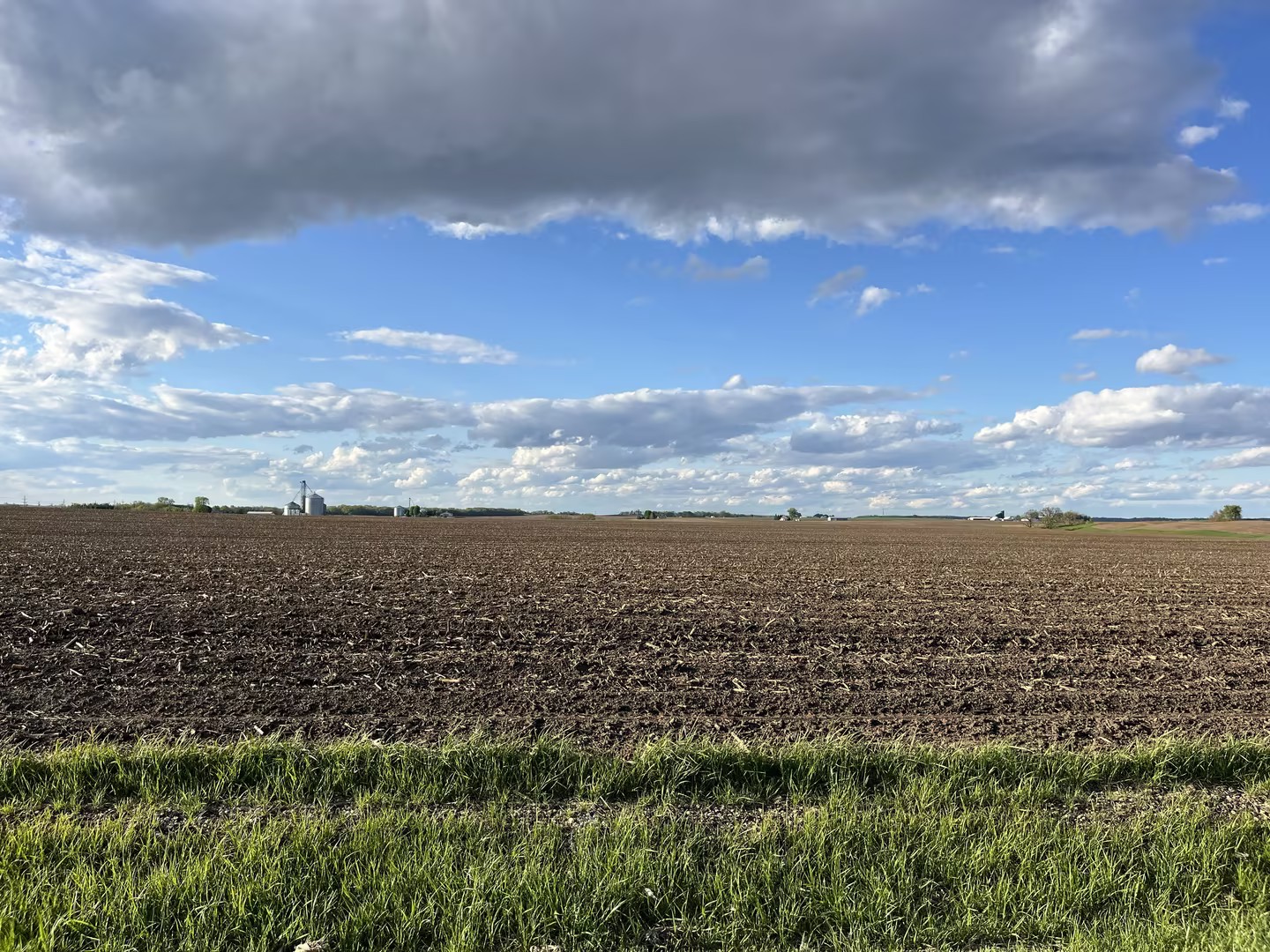
For farms across Illinois, energy has become an increasingly unpredictable operating expense.
Utility rates have climbed sharply in recent years, while changes to net metering policies are reshaping the economics of distributed solar generation. Beginning in Illinois' utility territories, customers exporting excess solar power increasingly receive less value for electricity sent back to the grid, making energy storage a far more strategic investment.
For agricultural operations like Vanderweide Farms, the challenge is even greater.
During harvest season, freshly harvested corn must be dried immediately to reduce moisture content before long-term storage. This process requires repeated use of high-power grain drying equipment—creating intense seasonal energy demand spikes. During peak harvest months, monthly electricity costs can exceed $1,000 or more, adding substantial pressure to farm operating margins.
The farm needed a solution that could reduce dependence on volatile utility pricing, maximize on-site solar generation, and provide reliable energy when it mattered most.
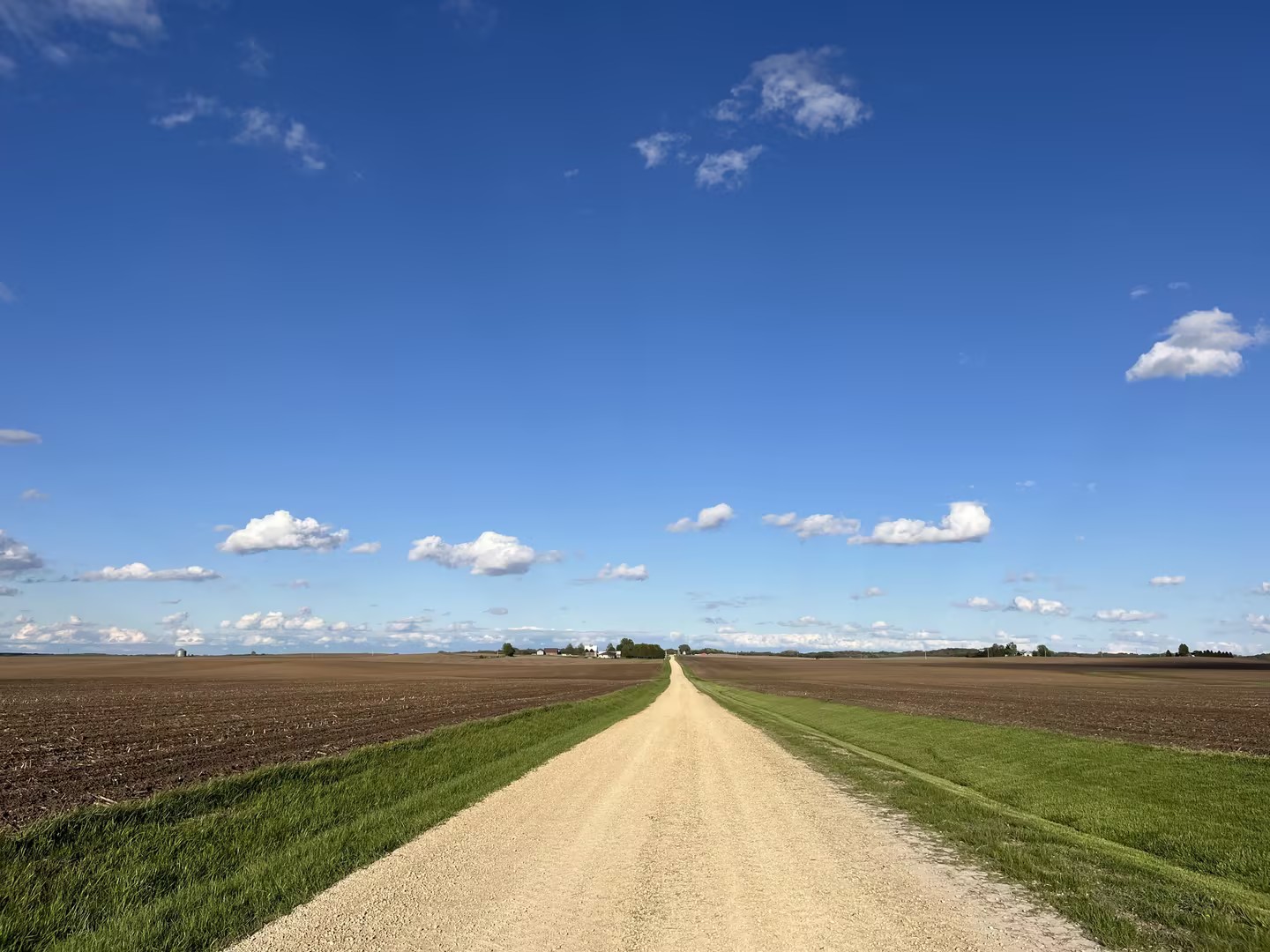
Vanderweide Farms faced several critical energy challenges:
1. Rising electricity costs
Power costs in Illinois have risen significantly, making long-term budgeting increasingly difficult.
2. Changing net metering economics
Sending excess solar generation back to the grid no longer delivers the same financial return, reducing the value of traditional solar-only systems.
3. Seasonal agricultural load spikes
Corn drying during harvest creates concentrated periods of extremely high electricity consumption.
4. Complex electrical infrastructure
Like many agricultural sites in Illinois, the farm operates on a 240V 3-phase service, a configuration that limits battery compatibility.
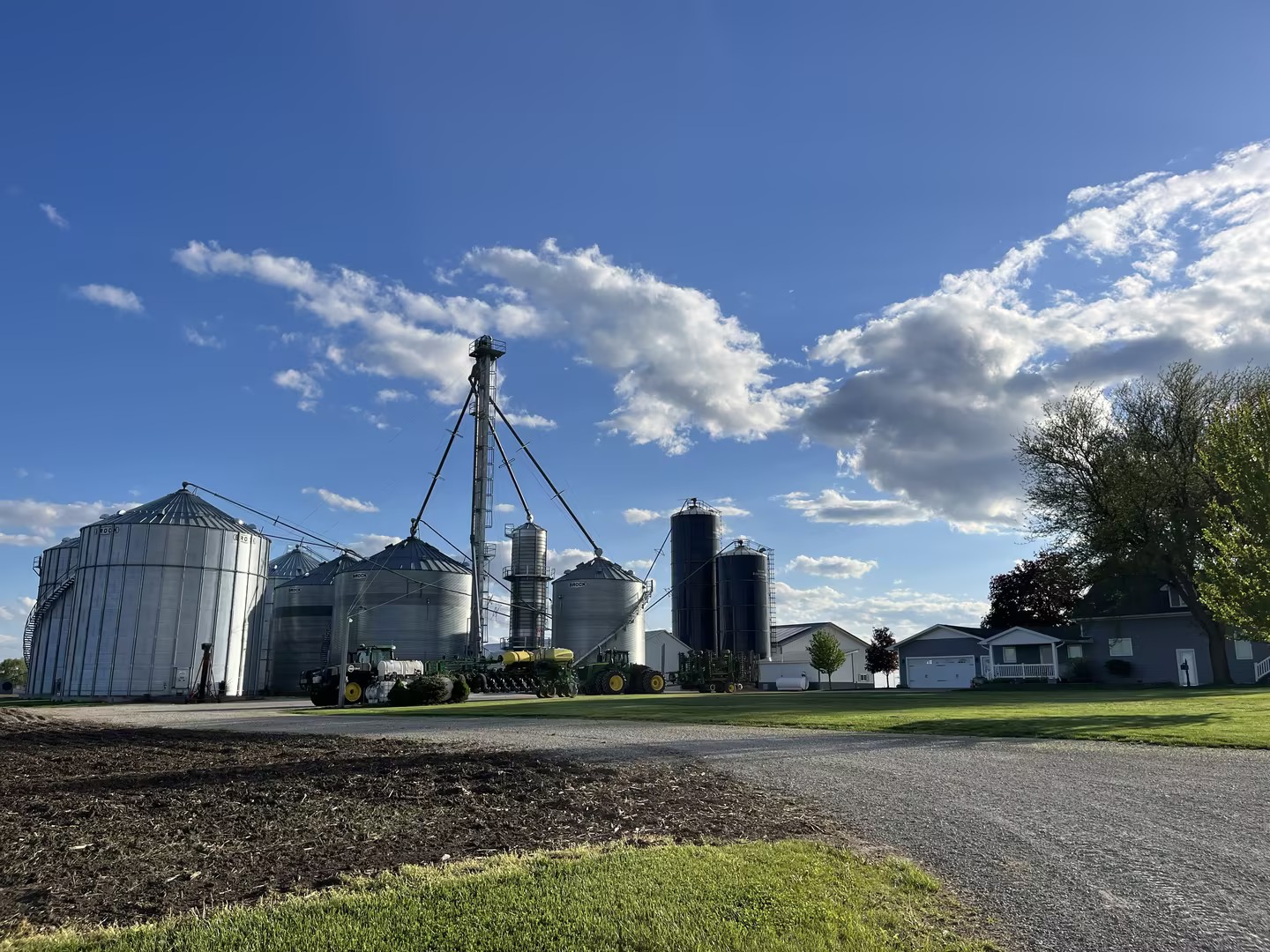
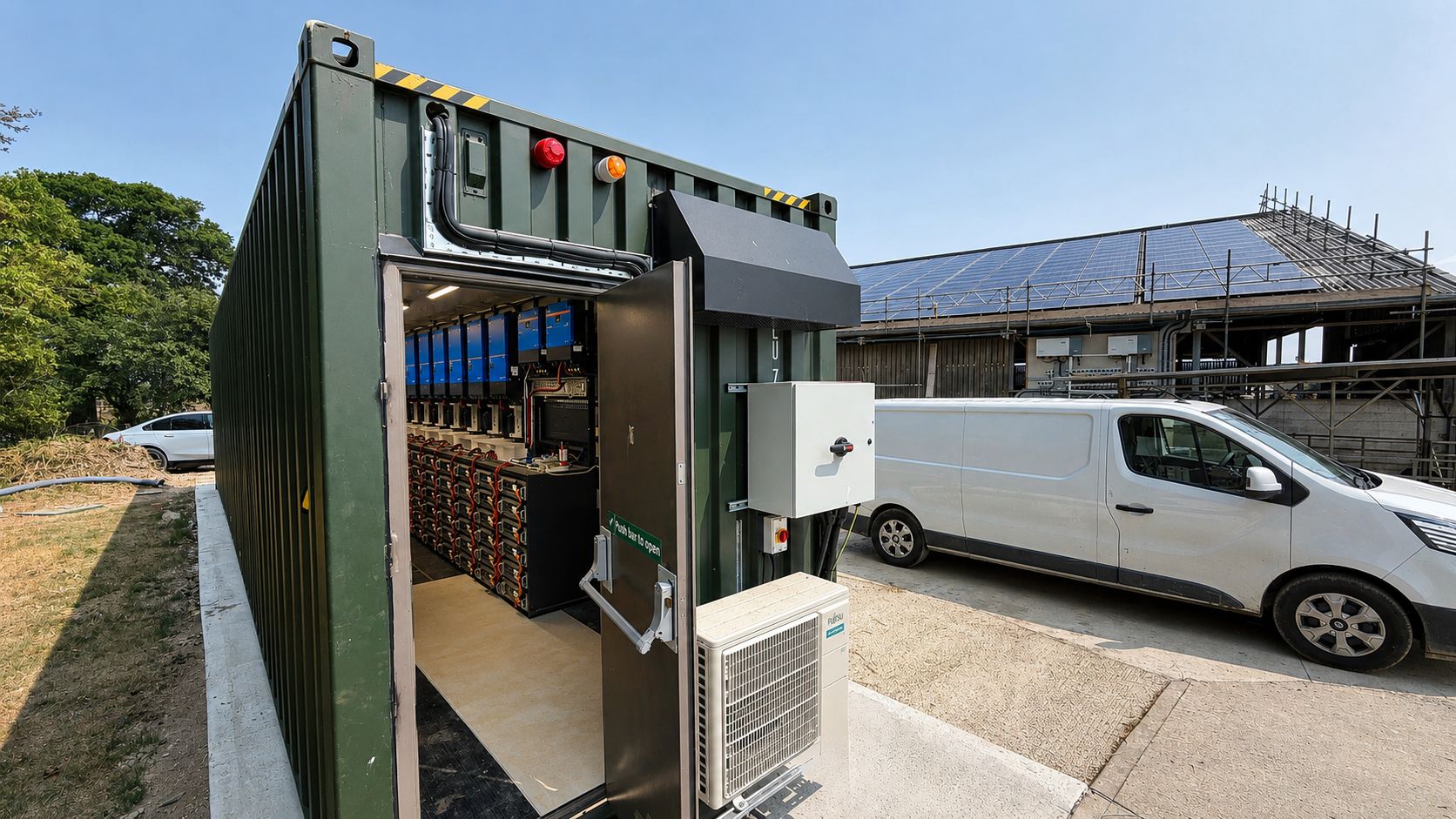
Working with Source Solar, Vanderweide Farms deployed a high-performance solar + storage solution designed around the farm's operational realities.
System configuration:
☀️ 100kW DC rooftop solar array
🔋 120kWh Pytes HV48100 SE battery storage
⚡ 2 × 30kW Solis hybrid inverters
🌾 240V 3-phase agricultural system compatibility
Instead of exporting excess daytime generation back to the grid at reduced value, the Pytes battery system stores solar energy for use during nighttime operations, cloudy periods, and seasonal peak consumption events.
This allows the farm to shift energy usage strategically—capturing more value from every kilowatt-hour produced on-site.
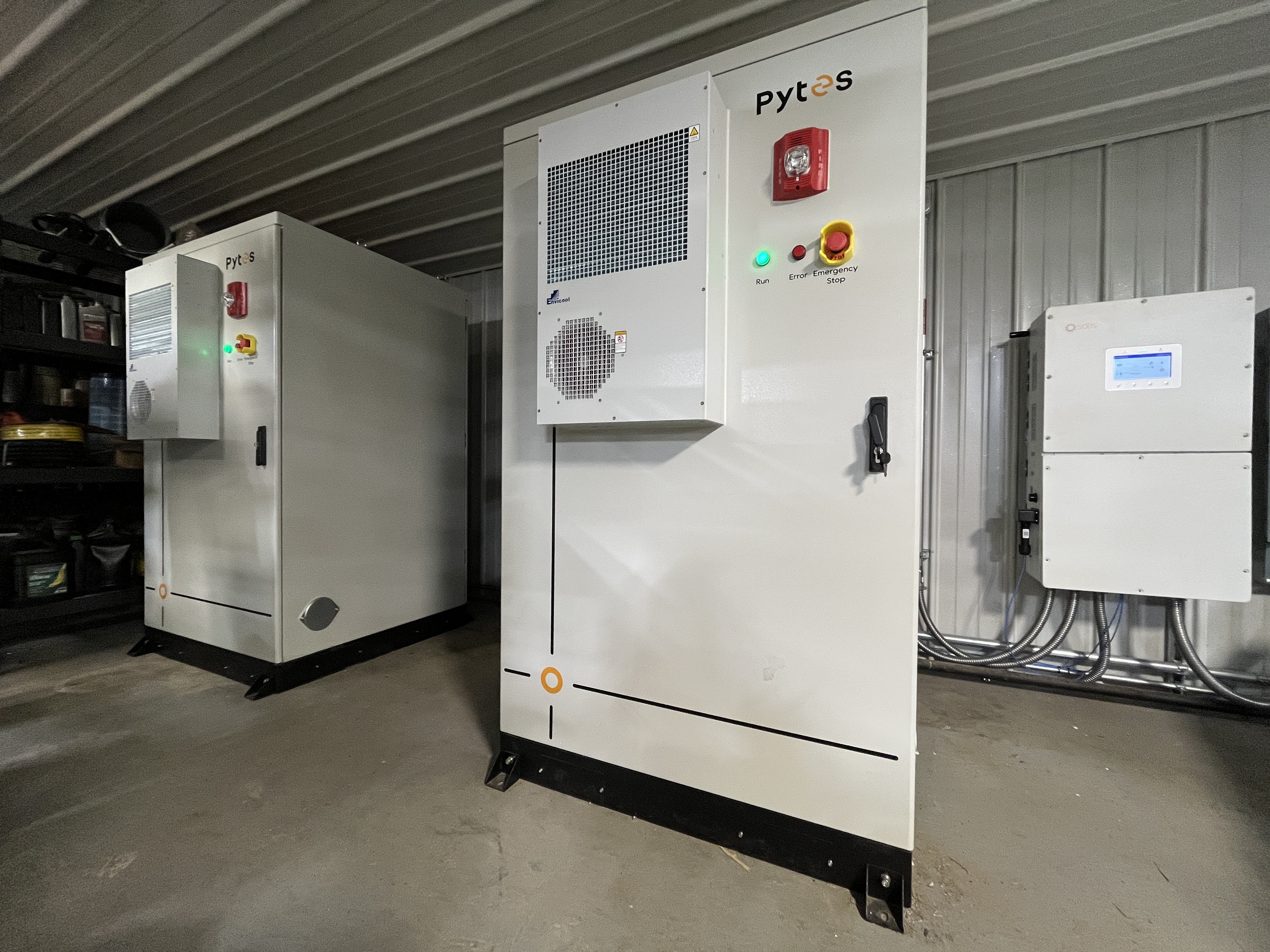
Not every storage platform is built for agricultural deployment. Pytes was selected because it solved real-world operational challenges that alternative systems could not.
Many battery platforms struggle with farm electrical configurations common in Illinois. Pytes delivered a practical solution compatible with the site’s infrastructure.
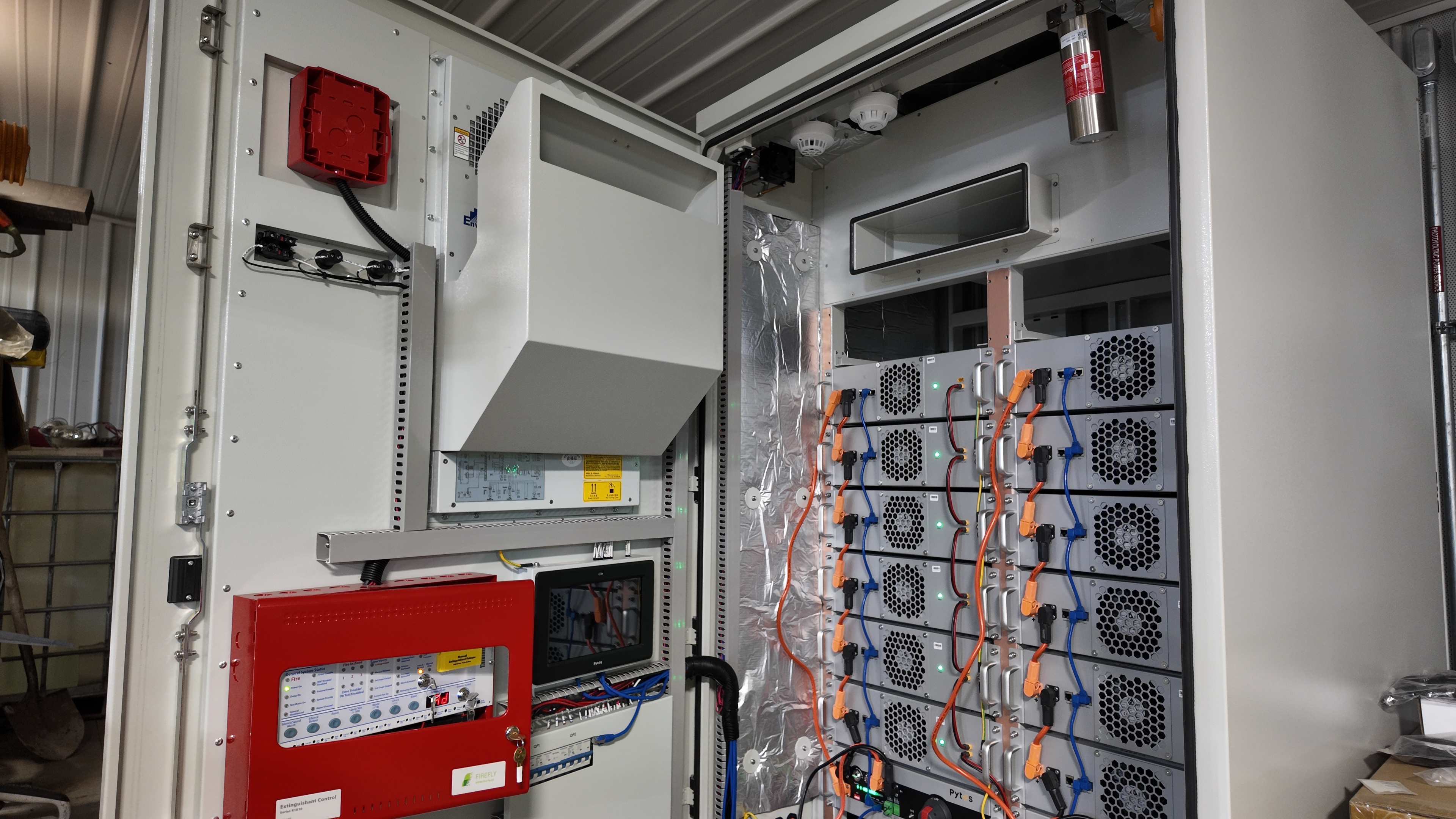
The all-in-one cabinet design streamlined deployment compared with more fragmented battery architectures.
Pytes systems are engineered for real-world reliability with:
i: Advanced fire detection & suppression
ii: Hazardous gas monitoring
iii: Aerosol suppression technology
iiii: NFPA-aligned safety architecture
iiiii: UL / UN certifications
Air-cooled thermal design reduces maintenance complexity compared with liquid-cooled alternatives, improving lifecycle serviceability.
The deployment delivered measurable operational and financial impact.
1. 80% reduction in grid dependence
2. $8,000–$9,000 estimated annual electricity savings
3. Up to $800,000 projected savings over 25 years
Beyond direct cost reduction, the system provides improved resilience during critical agricultural operating periods—ensuring energy availability when harvest operations demand it most.
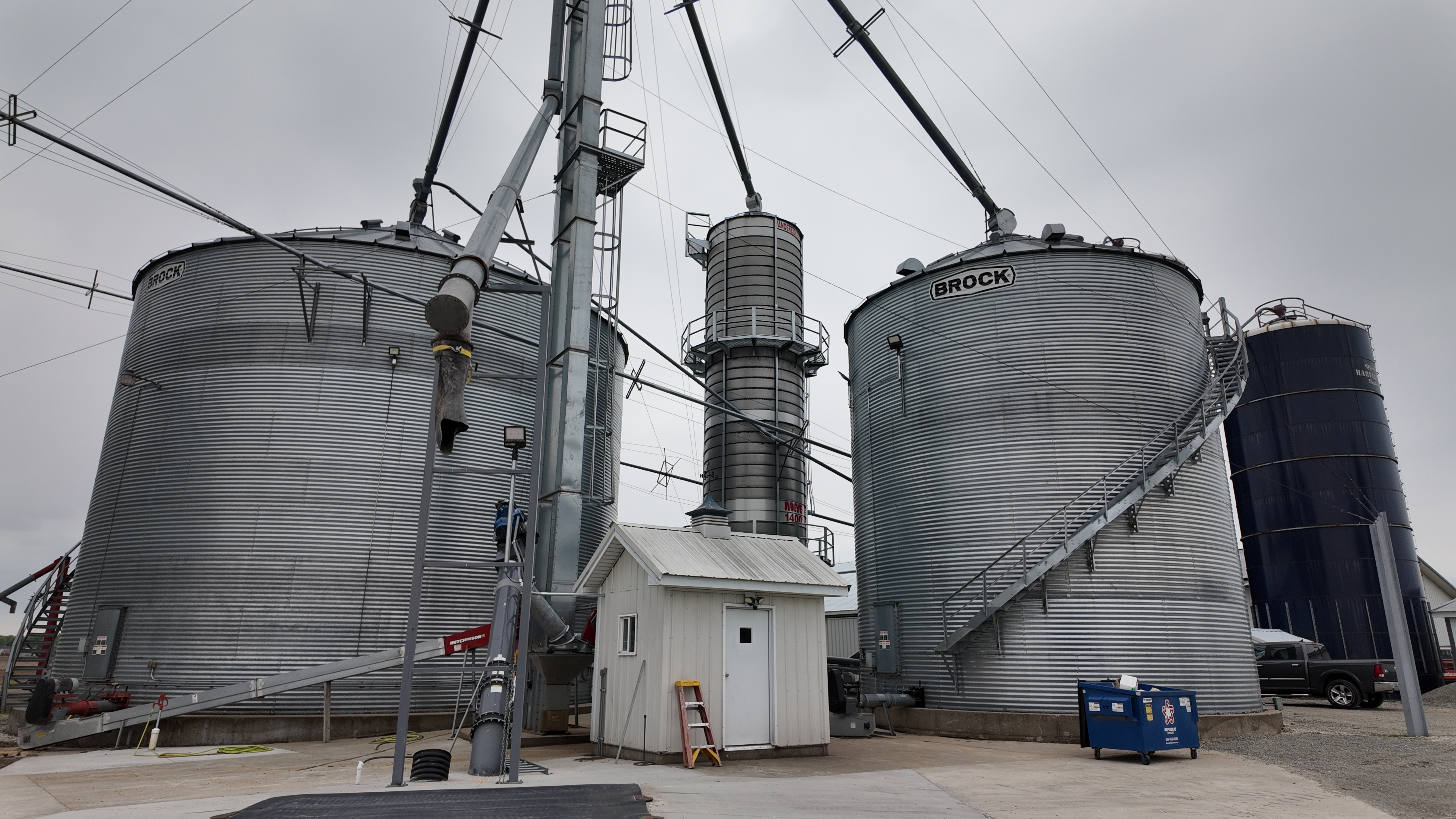
For agricultural businesses navigating rising utility costs and changing energy economics, solar alone is no longer enough. Smart storage changes the equation. At Vanderweide Farms, Pytes helped transform energy from a growing operational risk into a long-term strategic asset.