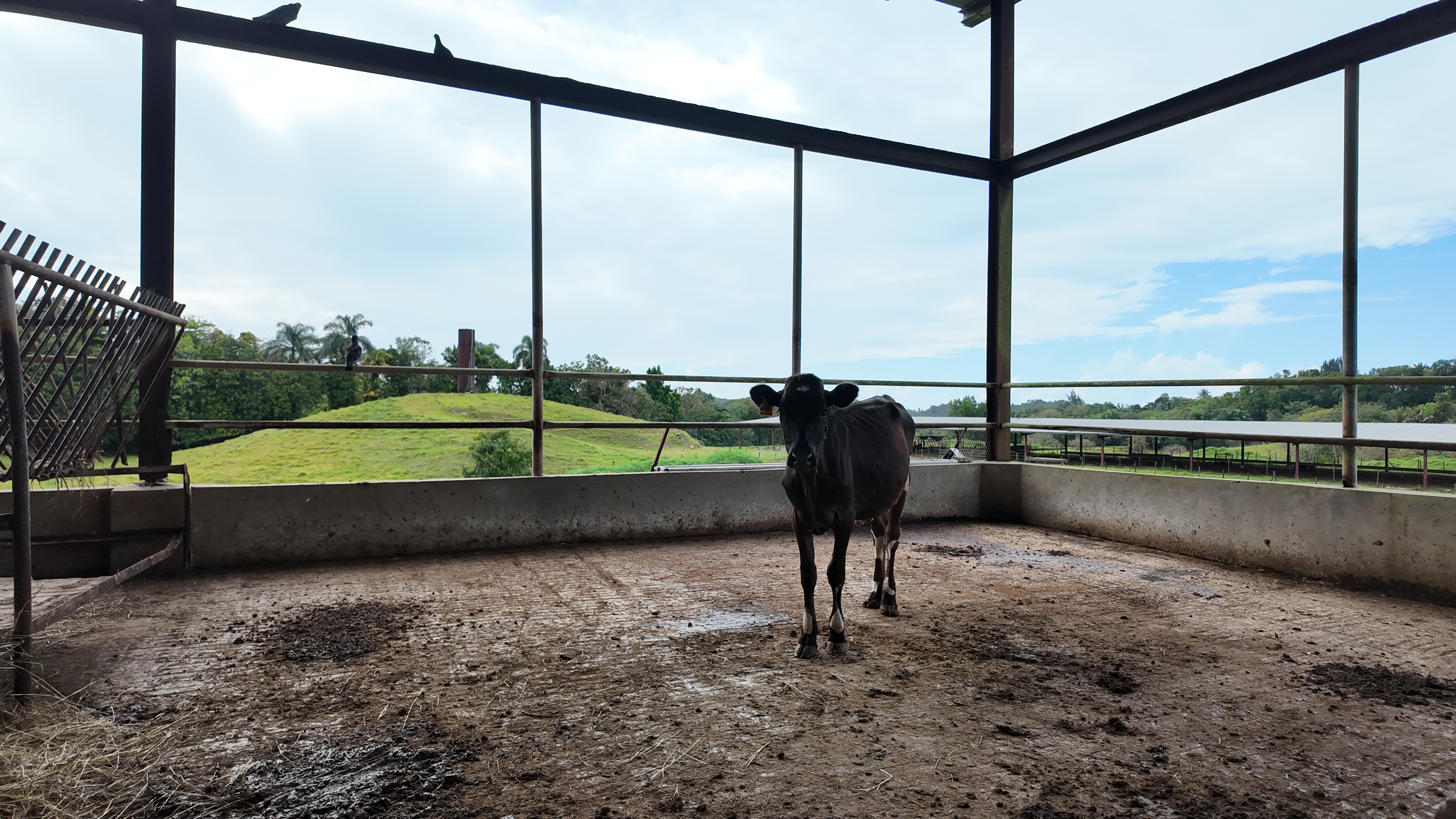
In the remote northwest region of Puerto Rico, dairy farming is more than a local business — it is part of the island's essential food supply chain.
Quebradillas, located near Camuy and Hatillo, sits in one of Puerto Rico's most important dairy-producing areas. Farms in this region operate across rugged terrain, remote roads, and a power grid that remains vulnerable to frequent outages, especially in mountain and highland communities.
For dairy farms, power interruptions are not just inconvenient. They directly threaten daily production, animal welfare, and revenue.
In this area, outages can occur multiple times per week. When the grid goes down, remote agricultural sites are often among the last to be restored. For a dairy operation that depends on automated milking equipment and refrigerated storage, even a short outage can become a serious business risk.
A dairy farm has very little flexibility in its daily operations. Cows must be milked on schedule, and the collected milk must be chilled immediately and stored at a stable low temperature before pickup. Both processes require reliable electricity.
When power is lost, the consequences are immediate:
1)Milking equipment stops. Cows cannot be milked on schedule, creating animal welfare concerns and production disruption.
2)Refrigeration is interrupted. Fresh milk that cannot be cooled properly can spoil quickly in Puerto Rico's warm climate.
3)Revenue is at risk. Milk that cannot be stored, delivered, or sold becomes a direct financial loss for the farm.
With outages occurring repeatedly, the farm needed more than temporary backup. It needed a reliable energy storage system that could support critical loads, reduce dependence on the unstable grid, and keep daily operations moving.
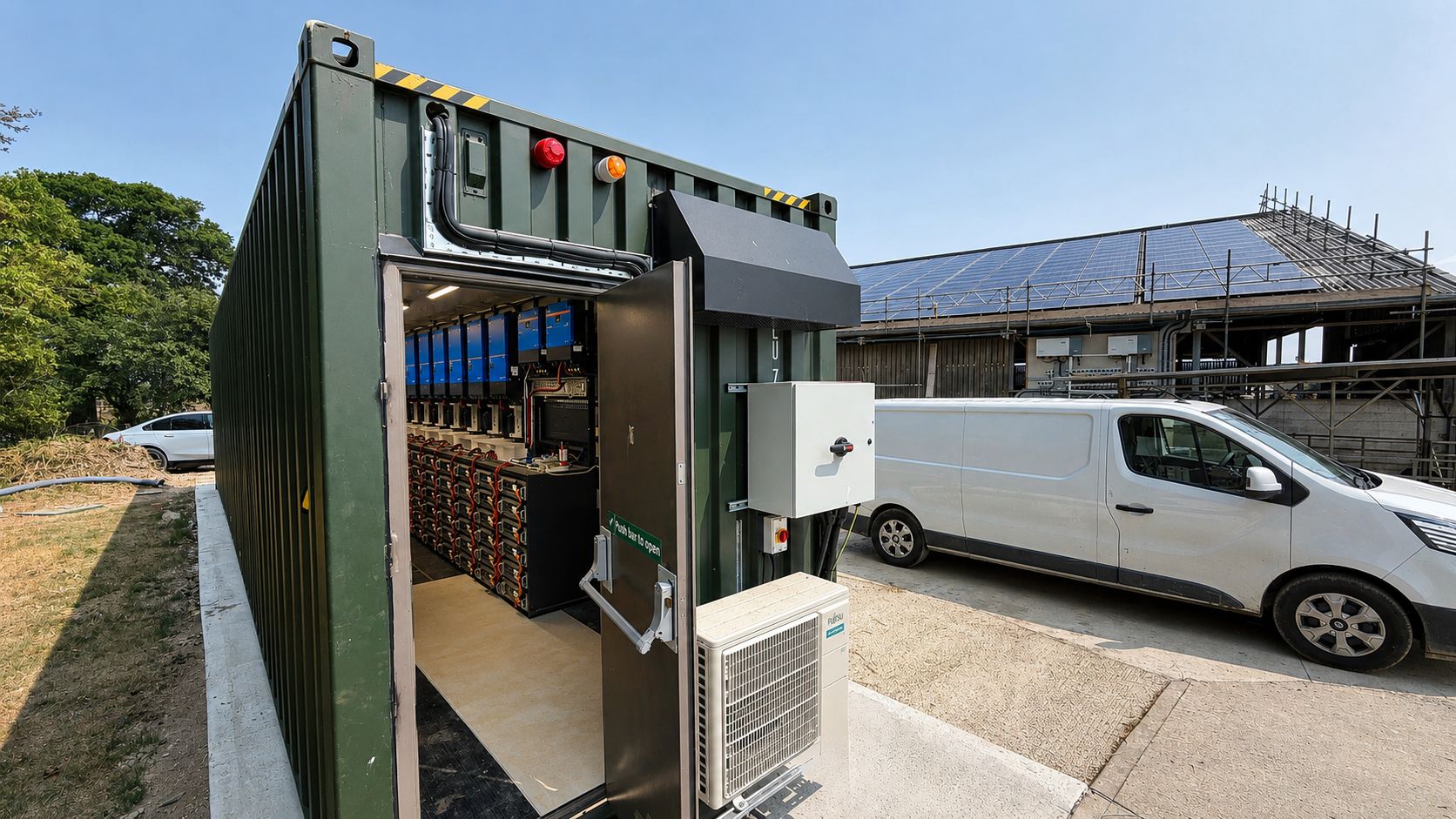
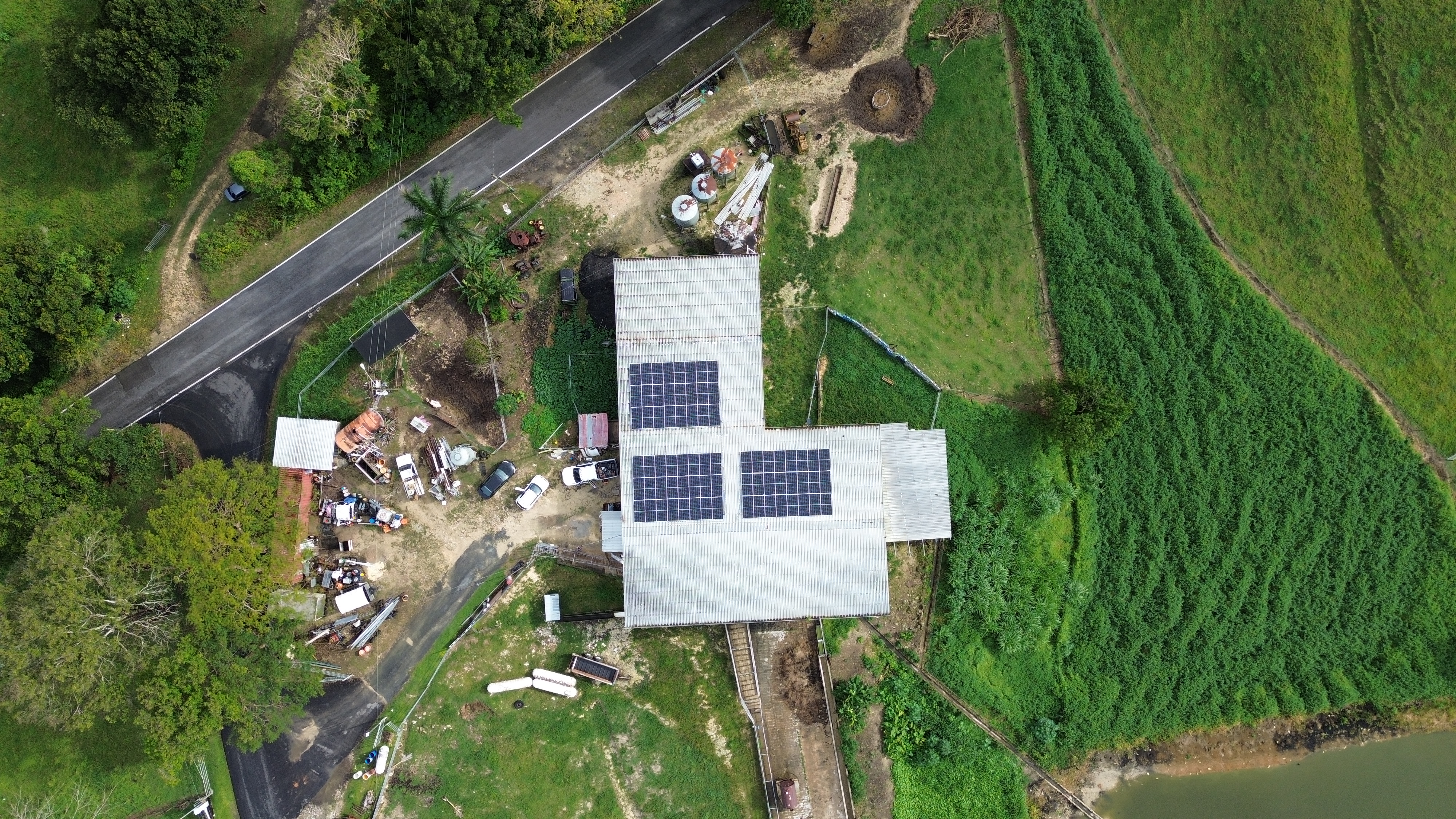
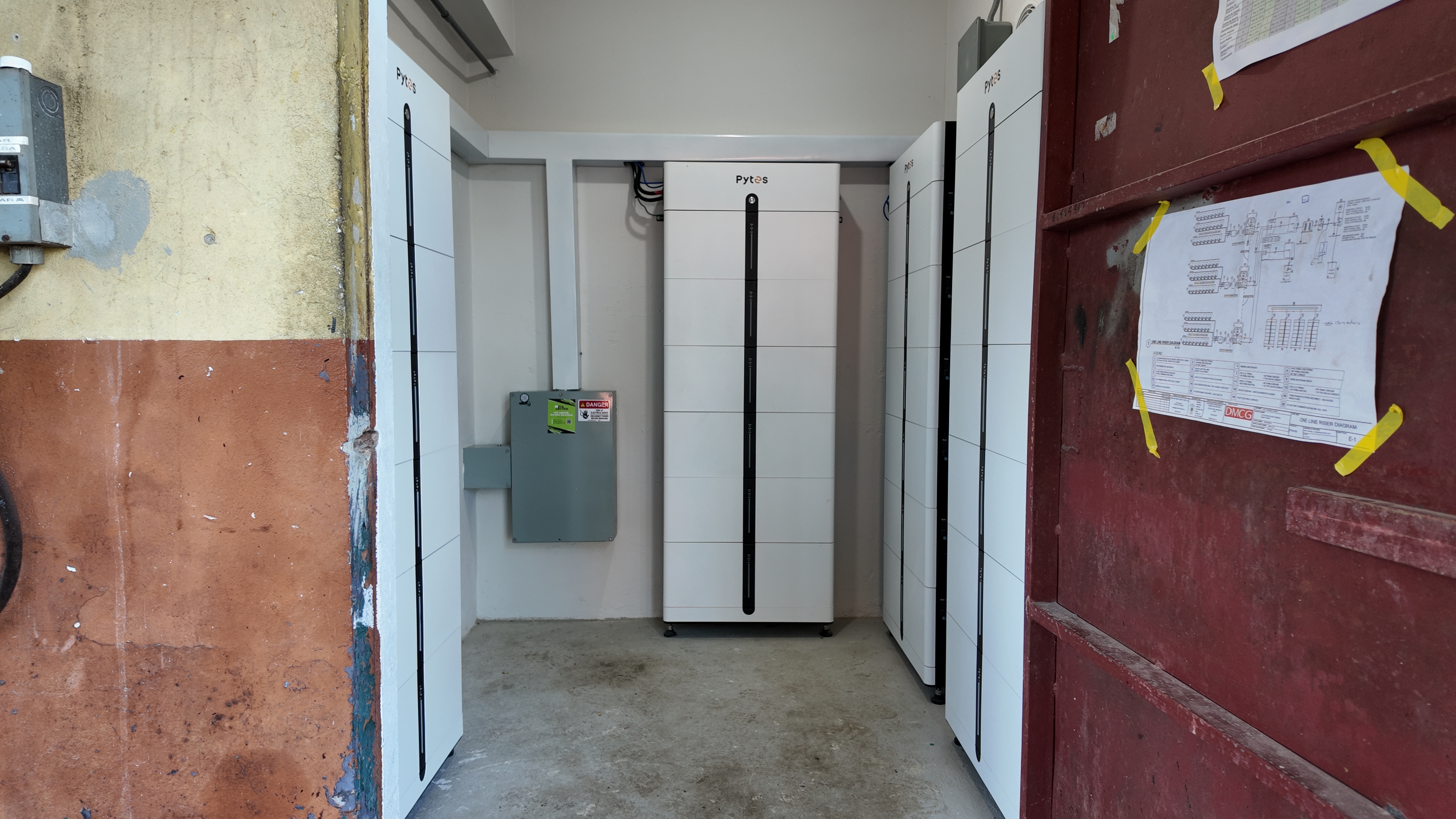
To strengthen energy resilience, the farm installed a Pytes Pi LV1 battery energy storage system paired with Sol-Ark inverters and a solar PV array.
The system includes:
i. 24 × Pytes Pi LV1 battery modules
ii. Approx. 120 kWh total storage capacity
iii. 3 × Sol-Ark inverters
iiii. Solar PV array for daily battery recharge
iiiii. Grid-tied operation with automatic battery backup
The system was designed to support the farm's critical electrical loads, including automated milking equipment, refrigeration tanks, and supporting farm systems.
By combining solar generation with battery storage, the farm can recharge during the day and rely on stored energy when grid power is unavailable.
For this project, the installer needed a battery solution that could deliver large-capacity backup power while remaining practical for a remote agricultural site. The Pytes Pi LV1 was selected for several key reasons:
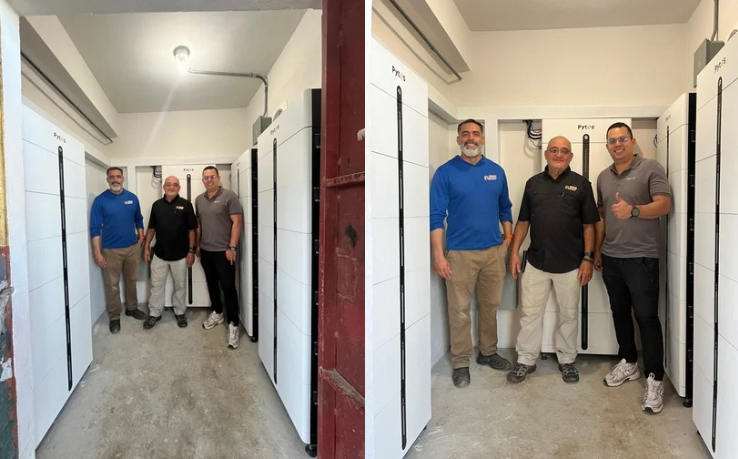
The Pi LV1's modular stacking design helped simplify installation at scale. Battery modules stack directly on top of each other and connect through quick-plug connectors, reducing the need for complex hand-wiring. For this 24-module project, two installers completed the battery installation in less than half a day. On a remote farm site where travel time, access, and labor efficiency matter, installation speed was a major advantage.
Farm buildings are not always designed with battery storage systems in mind. The Pi LV1's slim vertical profile allowed the system to fit cleanly into the available space without major structural changes. The installer described the system as having a clean, organized appearance — similar to a well-designed bookcase — making it easier to integrate into a working agricultural environment.
This was the installation team’s first Pytes project. Despite the project scale — 24 battery modules, three inverters, solar PV, and a remote agricultural site — the system was straightforward to install and commission. The installer noted one important recommendation for future projects: plan the battery layout in advance. Mapping the stack arrangement before installation, confirming service clearance, and checking floor load requirements can help make an already fast installation even smoother.
As first-time Pytes installers, the team had questions during the installation and commissioning process. Pytes technical support provided timely, practical guidance that helped the team move through the project with confidence. For installers working with Pytes for the first time, this level of support helped reduce uncertainty and made the commissioning process more manageable.
The Pi LV1 communicates with Sol-Ark inverters through CAN / RS485 communication. This allows the inverters to read battery status, manage charge and discharge behavior, and coordinate system operation without requiring a separate external BMS integration. For a multi-inverter agricultural project, reliable communication between the battery system and inverters was essential.
At this system size, cost per kilowatt-hour matters. Compared with other major-brand battery options the installer evaluated, the Pytes Pi LV1 offered strong value for a 120 kWh project. This helped support both the contractor's project economics and the farm's long-term investment decision.
The Pytes Pi LV1 system now helps the farm maintain essential operations during grid outages. When the utility grid goes down, the battery system supports the farm's critical loads, helping keep automated milking equipment, refrigeration tanks, and supporting systems running.
For this dairy operation, backup power is not simply about comfort or convenience. It protects the core of the business. With the Pytes system in place, repeated grid outages no longer have to interrupt milking schedules or put stored milk at immediate risk. The farm can continue operating with greater confidence, even in a remote area where utility restoration can be delayed. The installation team also gained confidence in Pytes through the project and is now considering additional Pytes installations in the future.
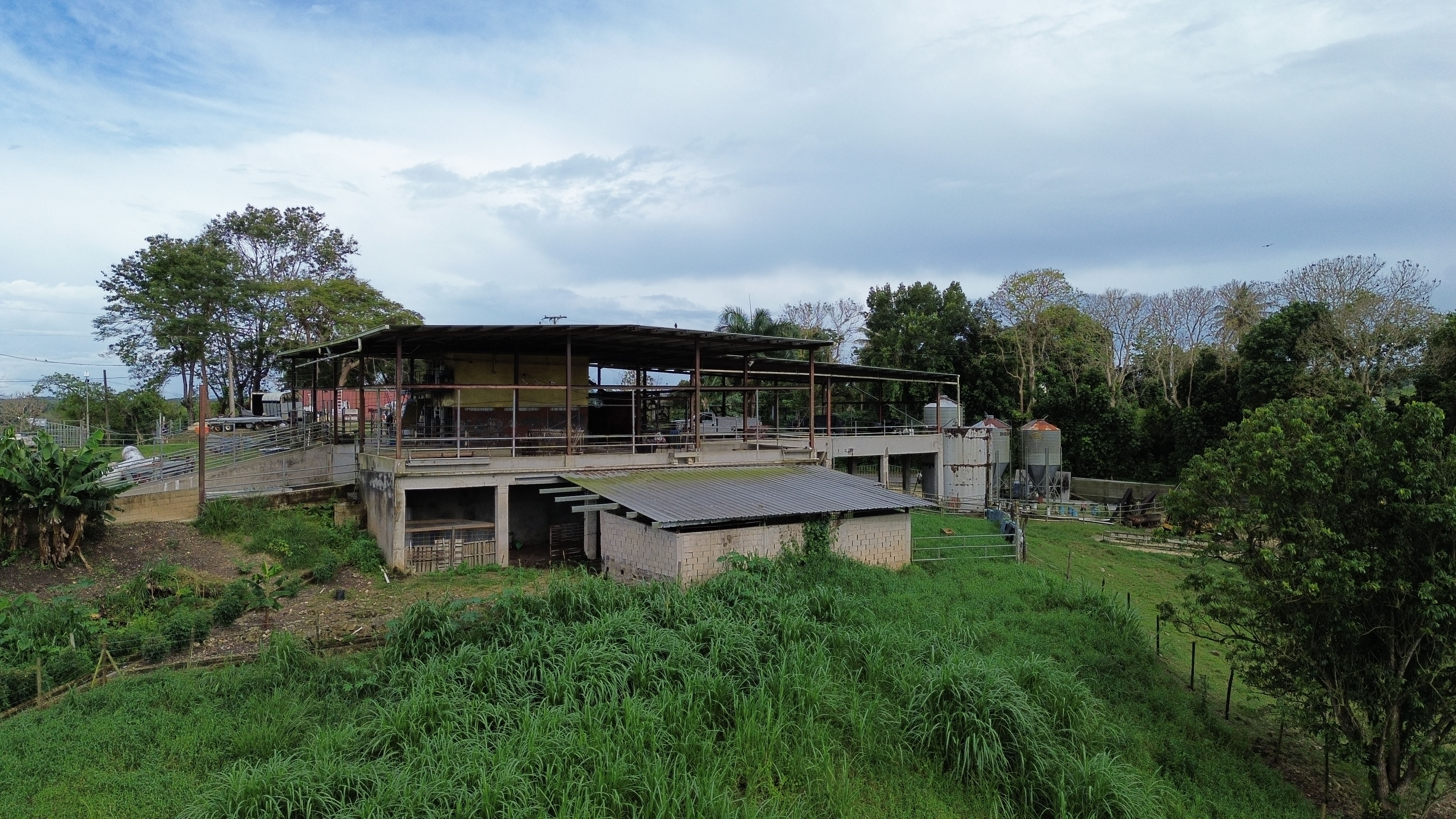
This project demonstrates how Pytes Pi LV1 can support agricultural energy resilience in demanding real-world environments. For a dairy farm in Quebradillas, Puerto Rico, frequent outages created a direct threat to production, refrigeration, and revenue. By installing a 120 kWh Pytes Pi LV1 system with Sol-Ark inverters and solar PV, the farm gained a reliable backup solution designed to protect critical operations.
The project also highlights the value of Pytes for installers: fast modular installation, compact system design, responsive technical support, Sol-Ark compatibility, and strong value at commercial-scale capacity. In an industry where no power can mean no milk, Pytes helps keep essential operations running.