Background
PaL' MoNCHi is not a typical dessert shop. It is, by its own claim, the first gourmet-artisan pastry shop in Puerto Rico — and 12 years of building that reputation have backed it up. Specializing in flan with over 70 flavors to choose from, the shop has cultivated a loyal following that extends well beyond the island: products ship to customers across the United States, and the brand's presence on social media — nearly 10,000 Instagram followers and over 60,000 on Facebook, both with near-perfect ratings — reflects a business built on consistency, quality, and genuine craft.
The owner has spent 12 years perfecting that craft. Every flan is made in-house, 100% locally — 100% Hecho Aquí — and every batch reflects the kind of attention that only comes from someone who genuinely loves what they make.
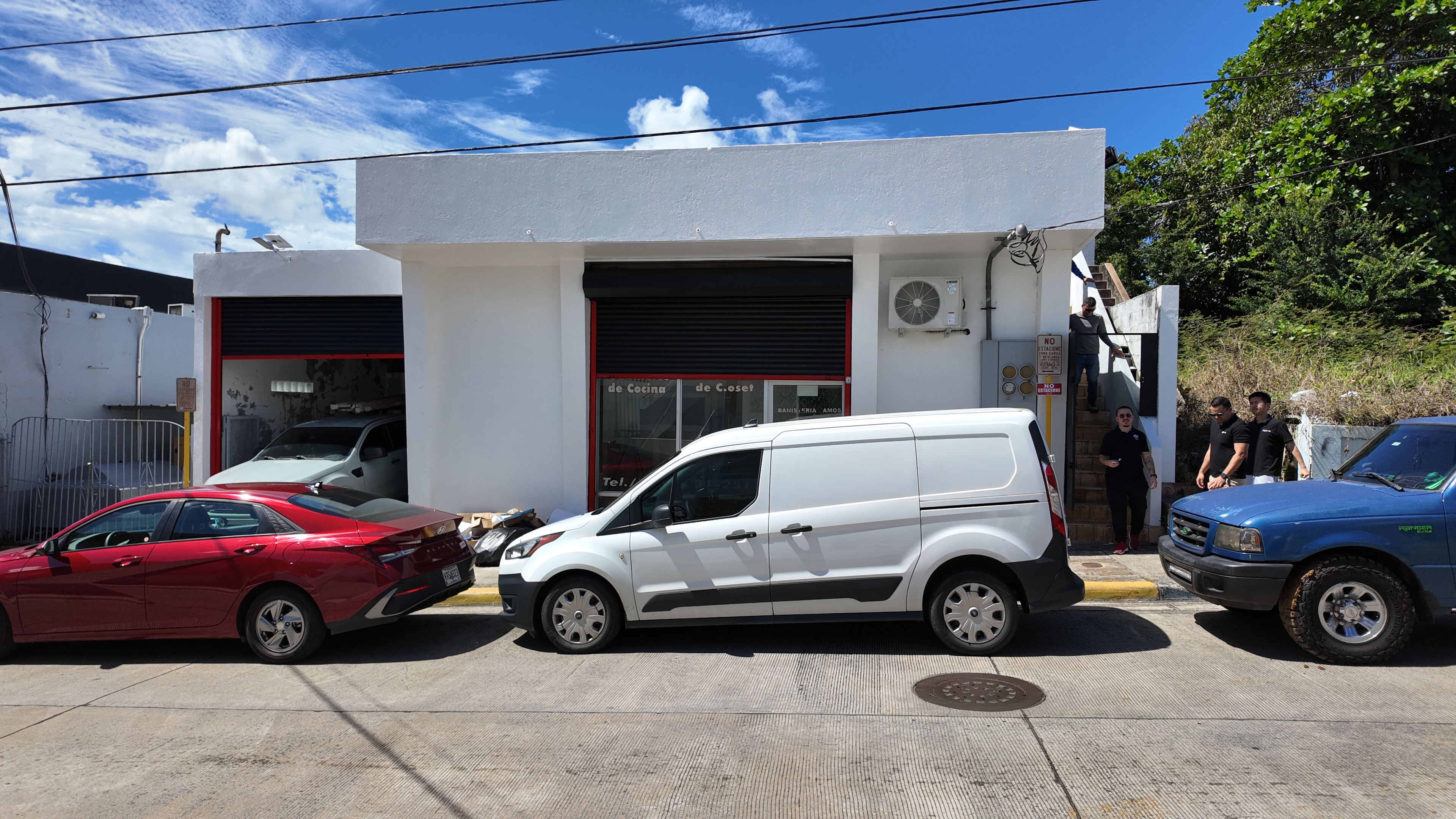
Now, with a new shop under construction in Mayagüez near the coast, PaL' MoNCHi is growing. The move to the new location will happen within a month of completion. And from day one, that new shop will run on solar.
The Challenge
Mayagüez sits on Puerto Rico's west coast — a city that has experienced some of the most persistent grid instability on the island. For a food production business, unreliable electricity is not an abstract inconvenience. It is a direct threat to every hour of operation.
When the grid goes down, everything stops:
1. Flour mixers and production equipment — dough mid-mix, batches that cannot be completed
2. Refrigerators and cold storage — ingredients spoil, finished products are lost
3. Air conditioning — in a kitchen environment in Puerto Rico's heat, working conditions deteriorate immediately
4. The shop itself — unable to serve customers, unable to process sales
The financial cost of each outage compounds quickly: wasted ingredients, lost production time, lost sales, and the staff labor that goes with all of it. For a business that ships products to customers across the US, production reliability is not optional — it is the whole business.
The previous solution — a diesel generator — created its own problems. It was loud enough to disrupt the working environment and the customer experience. It required fuel, maintenance, and monitoring. And in a space where craftsmanship and atmosphere matter, a noisy generator running in the background is simply the wrong answer.
System Configuration
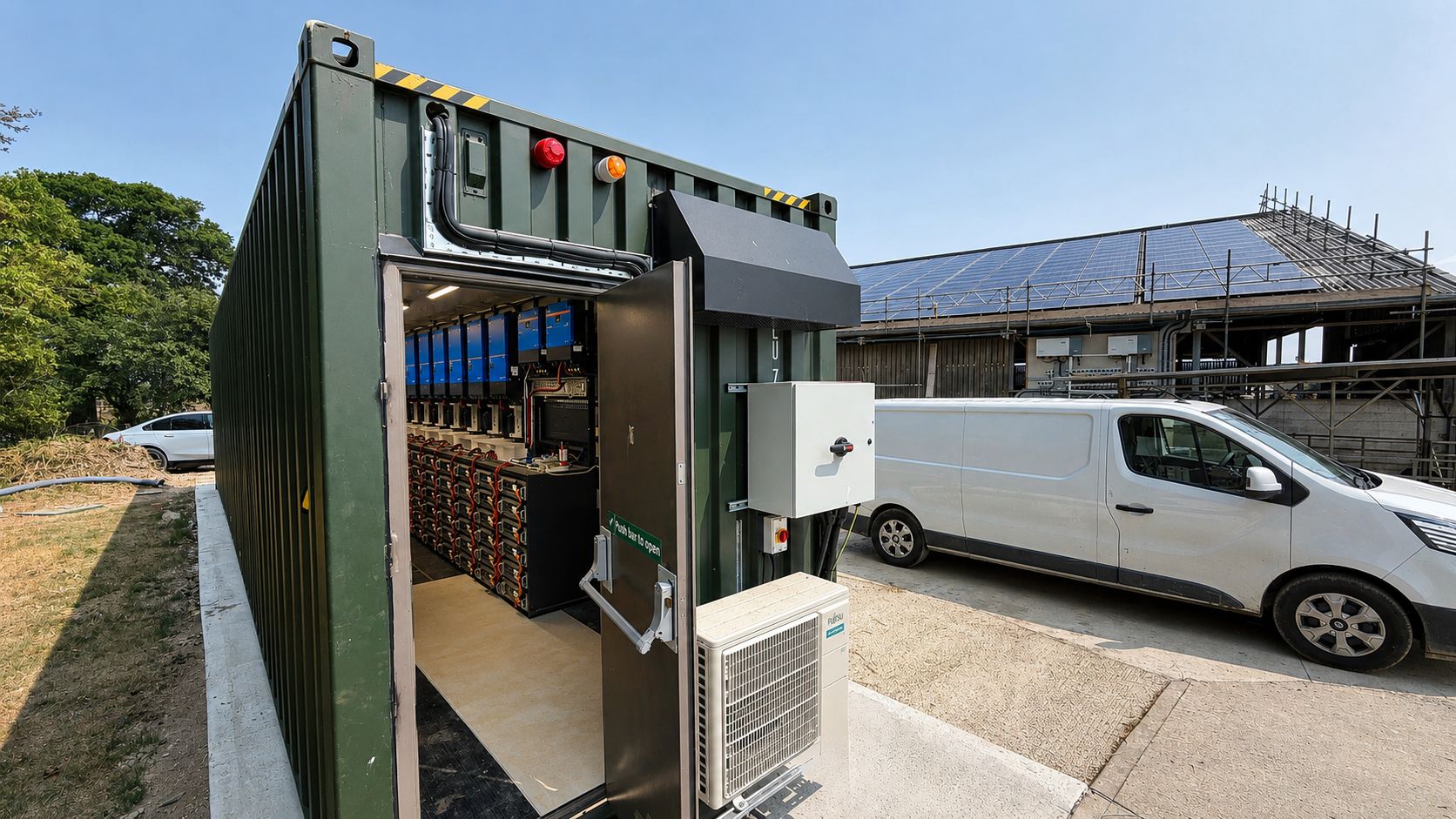
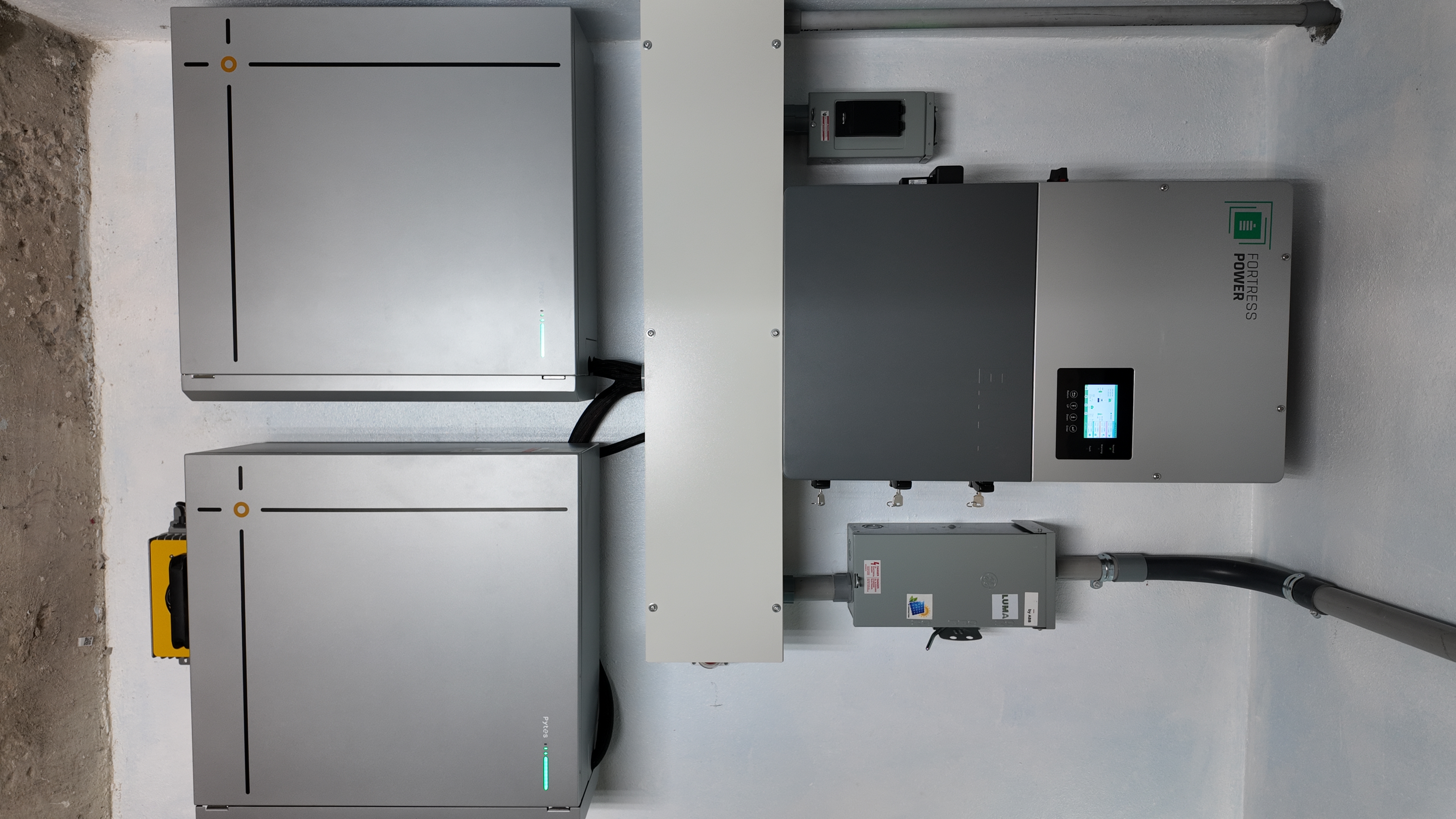
i: 2 × Pytes V16 — 16 kWh each, 32 kWh total storage
ii: Fortress 12K Inverter — 12 kW hybrid inverter
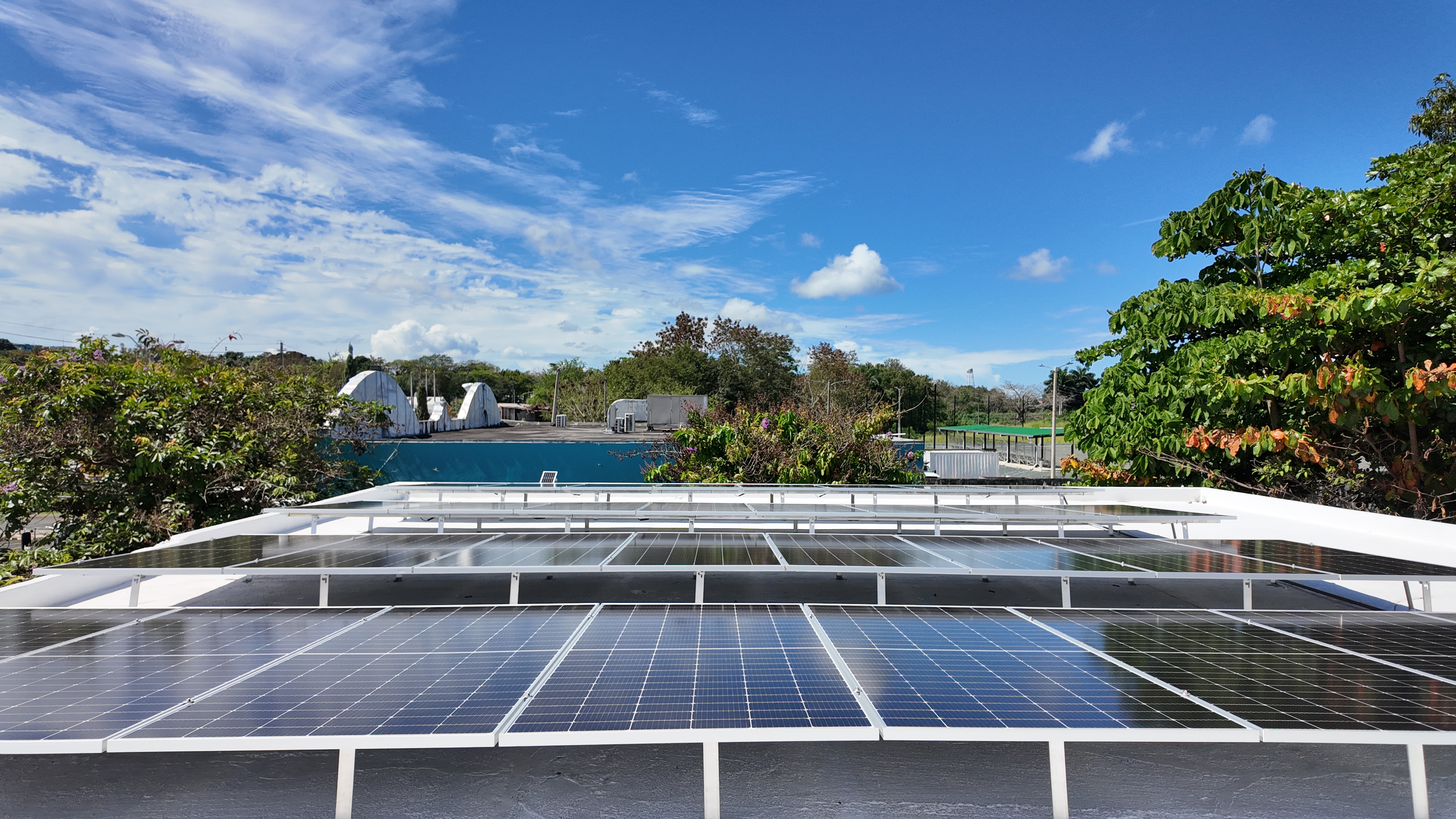
iii: 32 × 535W solar panels — 17.12 kW of rooftop generation
iiii: Grid-tied — self-consumption primary, surplus exported to grid
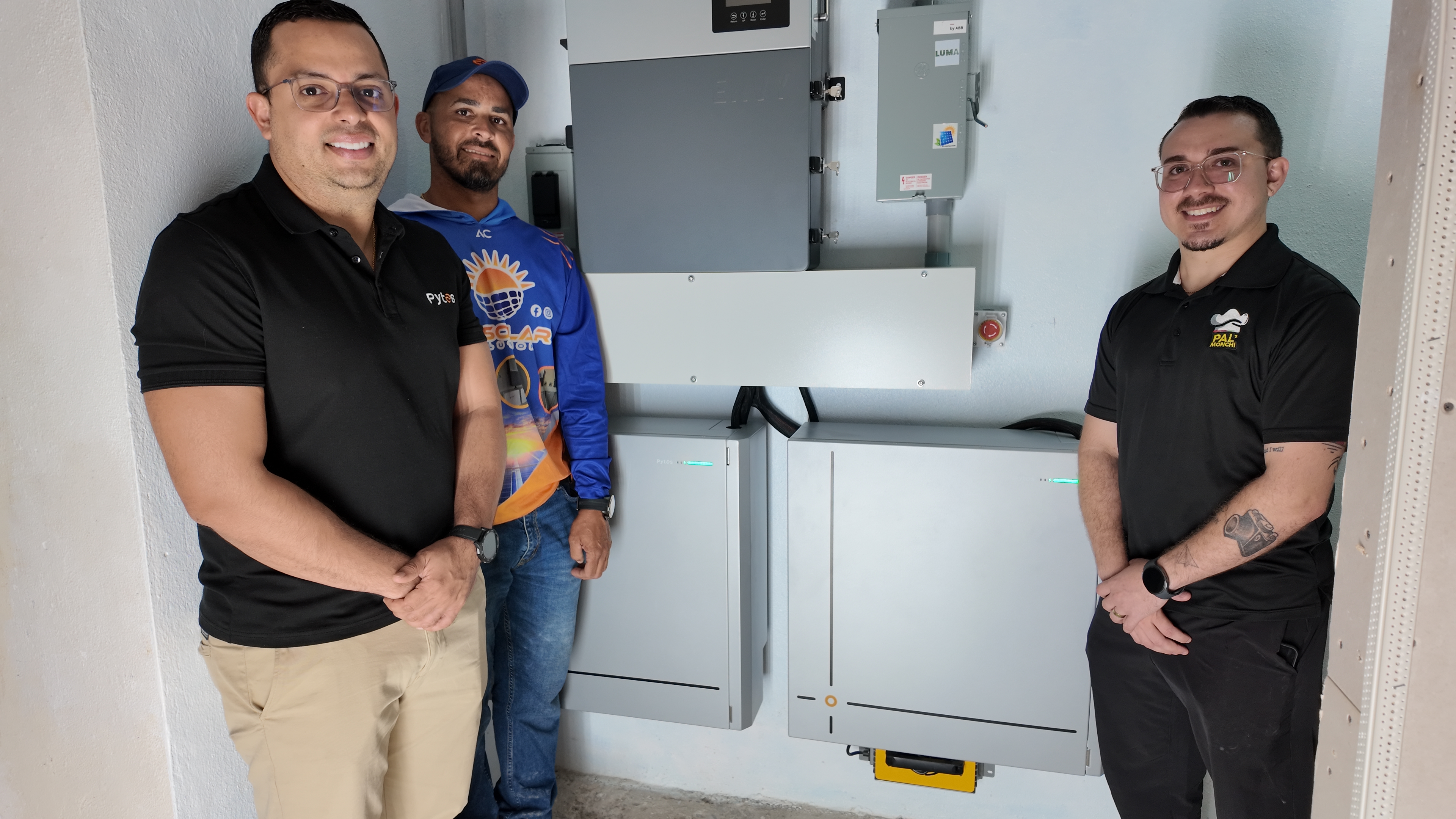
The system is already installed and operational in the new shop, running ahead of the business relocating there. The solar array, the batteries, and the inverter are all live — tested, working, and ready.
Why Pytes — and Why Solar
For the owner of PaL' MoNCHi, this was never purely a resilience decision. It was an investment decision.
The numbers work. The energy savings generated by the solar system are significant enough to offset the property tax on the new shop. That is not a side benefit — it is part of how the owner underwrote the project. The system pays for itself through reduced operating costs, month by month, while also eliminating the financial risk of outage-related losses.
The Pytes V16 fits the need. 32 kWh of LFP storage at 90% usable depth of discharge means the shop can run through any typical grid outage without interruption — mixers, refrigeration, AC, and point-of-sale all maintained. And at 8,000 rated cycles with a 10-year warranty, the investment horizon matches the long-term nature of a growing food business.
Quiet operation. This matters more in a dessert shop than almost anywhere. The old generator was loud — incompatible with the crafted, welcoming environment the brand has built over 12 years. The Pytes-based ESS runs silently. Customers and staff notice nothing. The shop atmosphere is preserved exactly as designed.
Room to grow. The system is designed with expansion in mind. As the business grows and energy demands increase, additional V16 units can be added without replacing the inverter or rewiring the installation. The owner knows this and has already planned for it — if demand requires it, the battery bank scales with the business.
The Result
The batteries are installed. The panels are up. The system is working.
When PaL' MoNCHi moves into its new home in Mayagüez, it will do so with an energy system that is already proven and operational — no shakedown period, no uncertainty. The shop will open with solar power on day one.
Grid outages that would once have meant lost batches, spoiled ingredients, and dark display cases now pass without incident. Production continues. Refrigeration holds. The shop stays open and running exactly as it should, on the energy it generates from the Puerto Rico sun.The owner has spent 12 years building a business on the quality of what comes out of his kitchen. The solar system is simply the infrastructure that makes sure nothing gets in the way of that — quietly, reliably, day after day.
"The savings on electricity help pay for the property tax. And when the grid goes down, I don't lose money anymore. The shop stays up and running. Peace of mind."— Owner, PaL' MoNCHi, Mayagüez, Puerto Rico