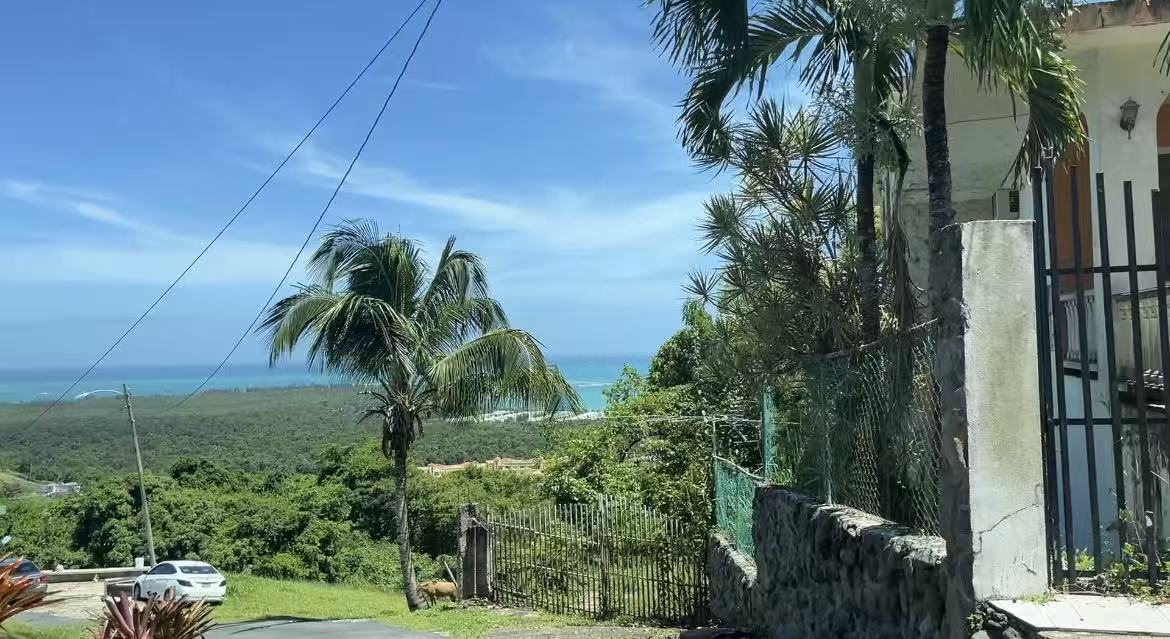
Río Grande sits at the edge of El Yunque National Forest on Puerto Rico's northeastern coast. It is a municipality defined by lush mountain terrain — and by an electric grid that has never served its rural communities reliably. Power outages are frequent and unpredictable. The electricity that does arrive is often unstable, with voltage fluctuations that wear on appliances over time. When the grid goes down in hillside areas, restoration takes longer than anywhere else: crews reach these roads last, and terrain makes repair work slow.
This is not an occasional inconvenience. It is the baseline condition for anyone building or living here. More and more residents are reaching the same conclusion: the grid cannot be depended upon, and solar-plus-storage is the only way to take control of your own energy situation — reducing monthly bills and replacing uncertainty with reliability.
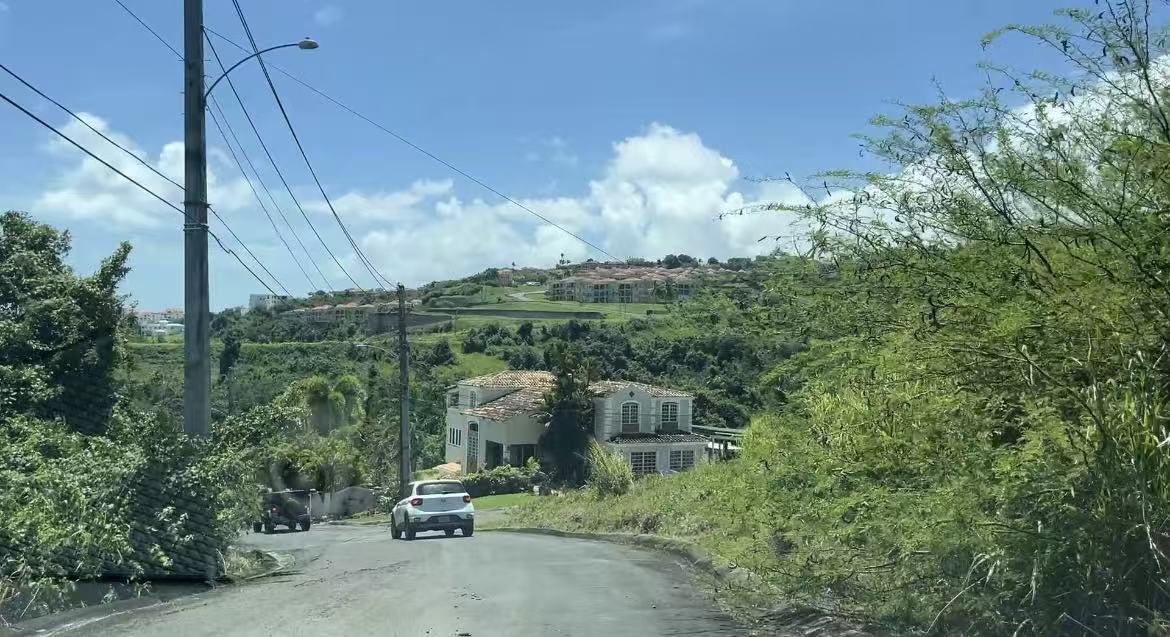
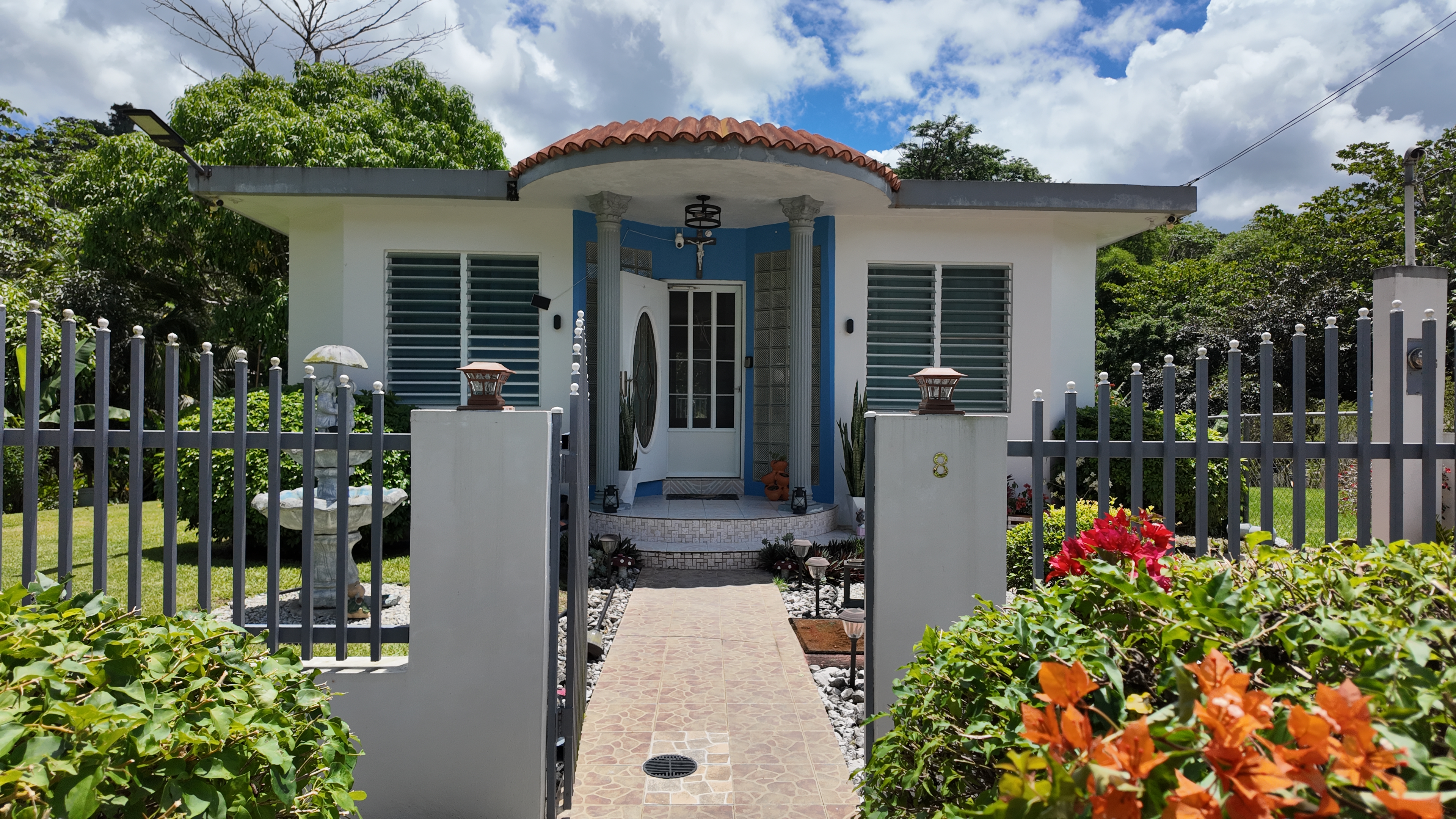
The homeowner is building this property himself, personally involved in every phase of design and construction. The home is set on a hillside with limited road access — the kind of location that offers exceptional views and privacy, but also makes any dependence on external infrastructure a liability.
The design is distinctive: a semi-circular glamping dome on the rooftop, purpose-built as an Airbnb unit, alongside a swimming pool, a private terrace, and a large garden. The house is currently mid-construction, with roughly a year remaining until completion. The owner made one decision early and built everything else around it: the solar energy storage system went in first.
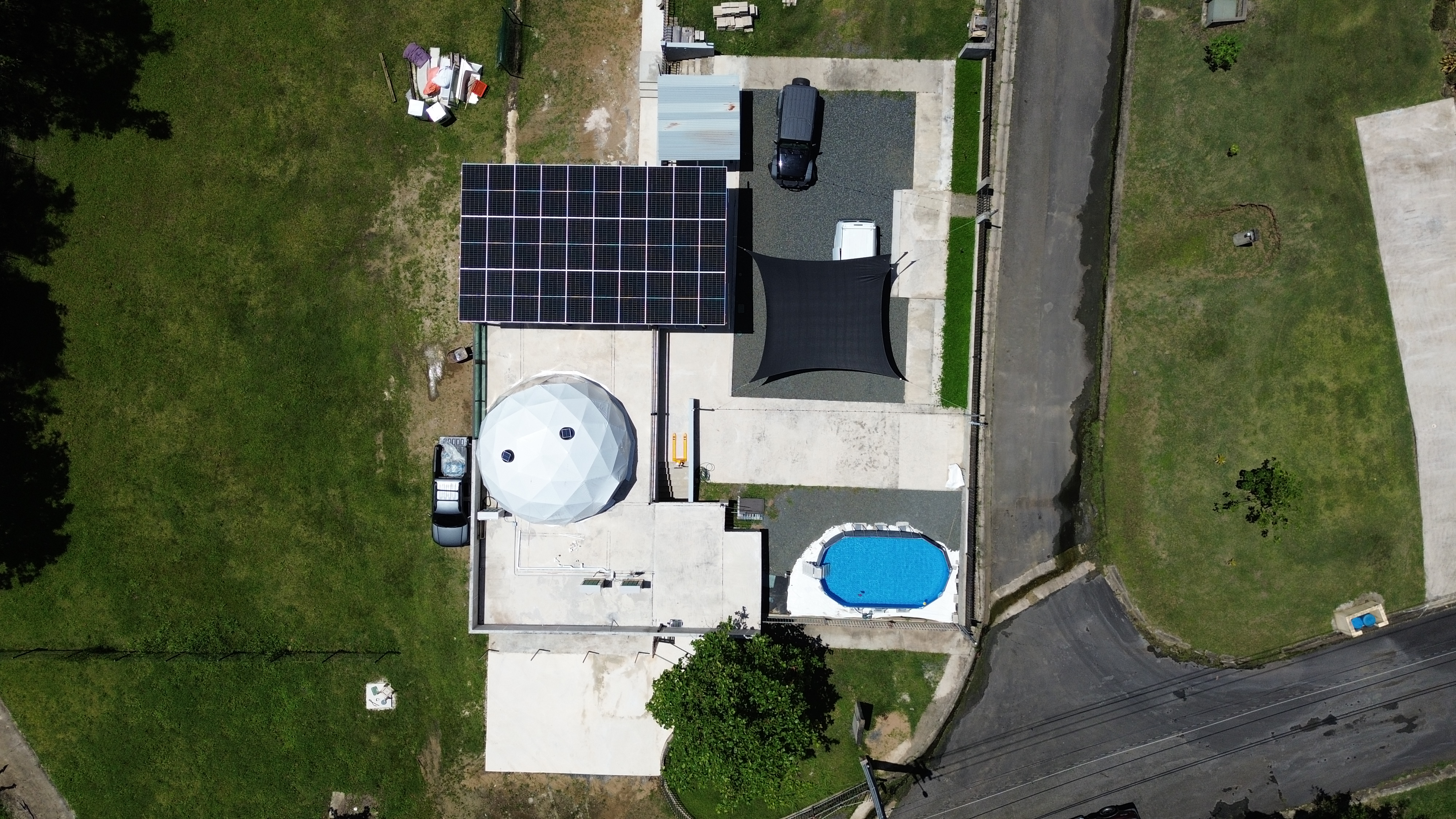
A hillside property in rural Río Grande faces compounding challenges. Grid outages are frequent, restoration is slow, and power quality is unreliable. For a home under active construction, this means work interruptions and uncertainty on-site every time the grid fails. For the glamping dome — designed to host paying guests on Airbnb — grid dependency is a direct business risk: no power means no AC, no amenities, and no satisfied guests.
Looking further ahead, once the house is complete and the family is living here full-time, the energy demands of the full property — home, pool, garden, terrace, and dome — will all need to be met reliably, in a location where the grid has never been consistently up to the task.
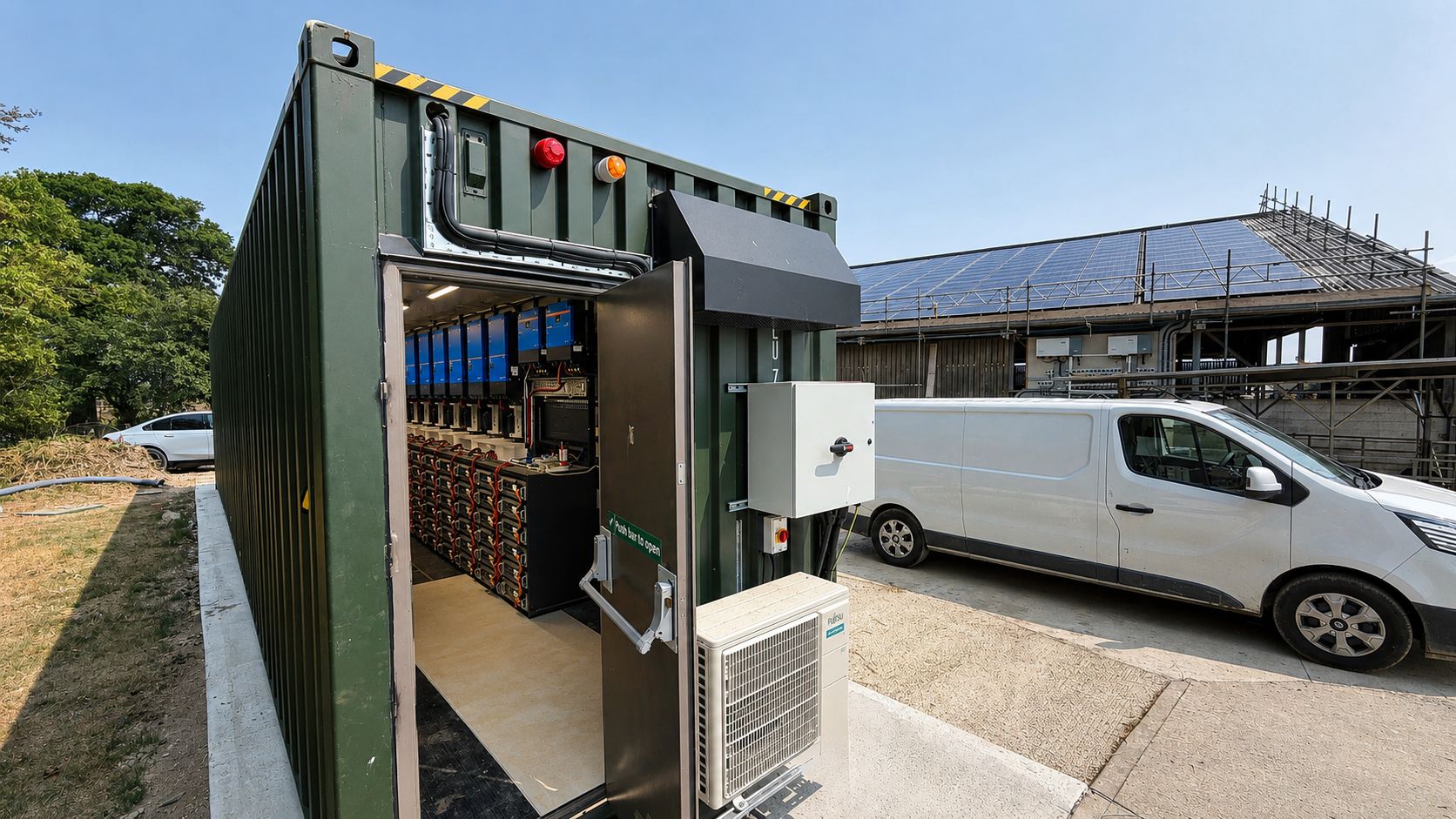
● 4 × Pytes V16 — 16 kWh each, 64 kWh total storage
● 1 × Sol-Ark 15K — hybrid inverter
● Rooftop solar PV array
● Grid-tied — self-consumption primary, surplus exported to grid
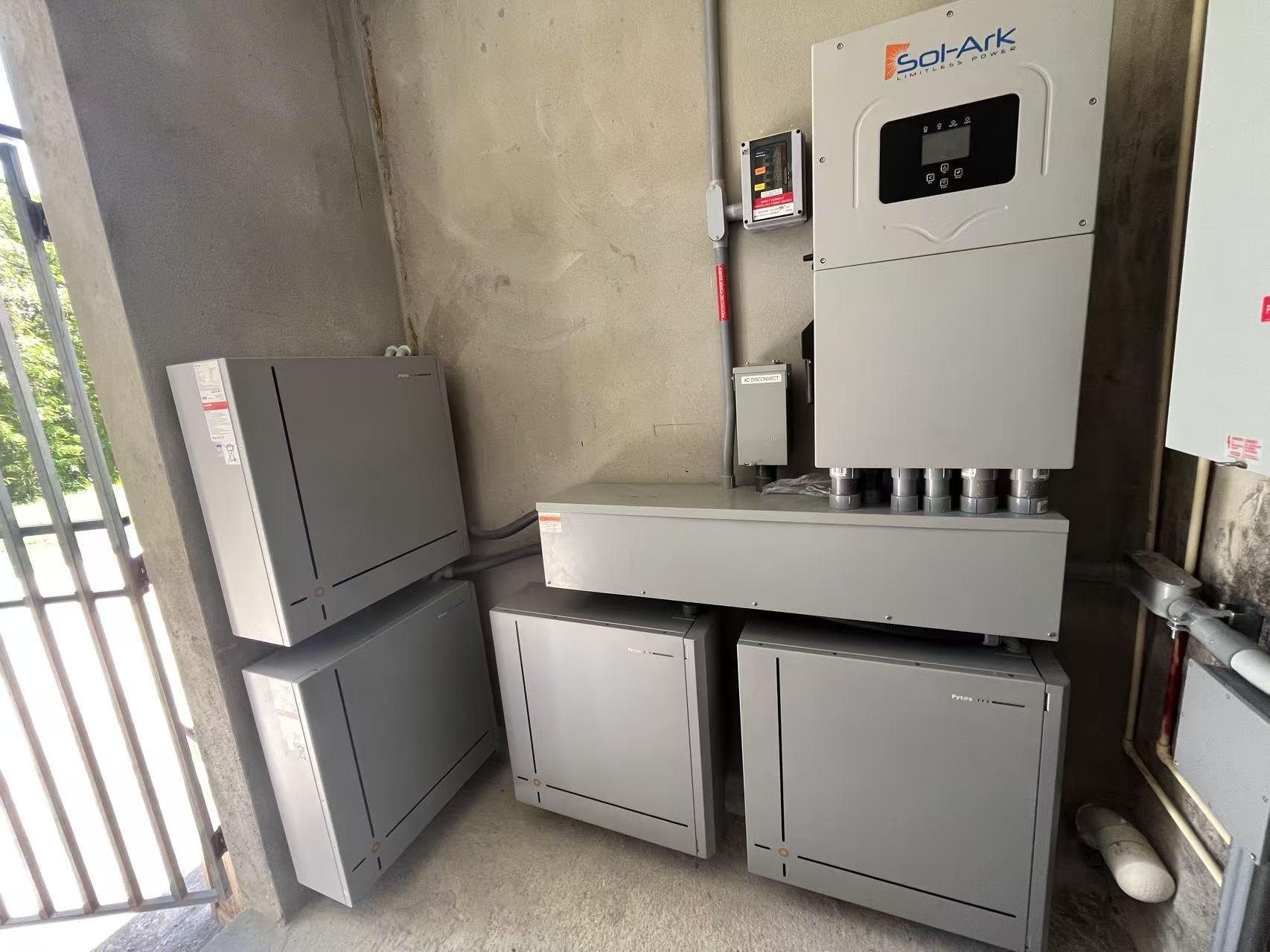
1) Proven compatibility with Sol-Ark. The V16 integrates with the Sol-Ark 15K via native closed-loop communication — plug and play from day one, no configuration headaches.
2) 90% usable depth of discharge. Four V16s deliver close to 58 kWh of real, usable energy. In a location where overnight outages are routine, this matters far more than rated capacity on paper.
3) Built for the tropics. IP66 weatherproofing and C4-M corrosion resistance make the V16 genuinely suited to Puerto Rico's heat, humidity, and coastal air — not just rated for it on a spec sheet.
4) Local support in Puerto Rico. On a hillside with difficult access, having Pytes' local sales and technical team on the island is a practical advantage. Problems get resolved without waiting for mainland logistics or remote support across time zones.
5) Strong warranty. 10-year warranty backed by a manufacturer with local presence. For a long-term residential investment, that backing matters.
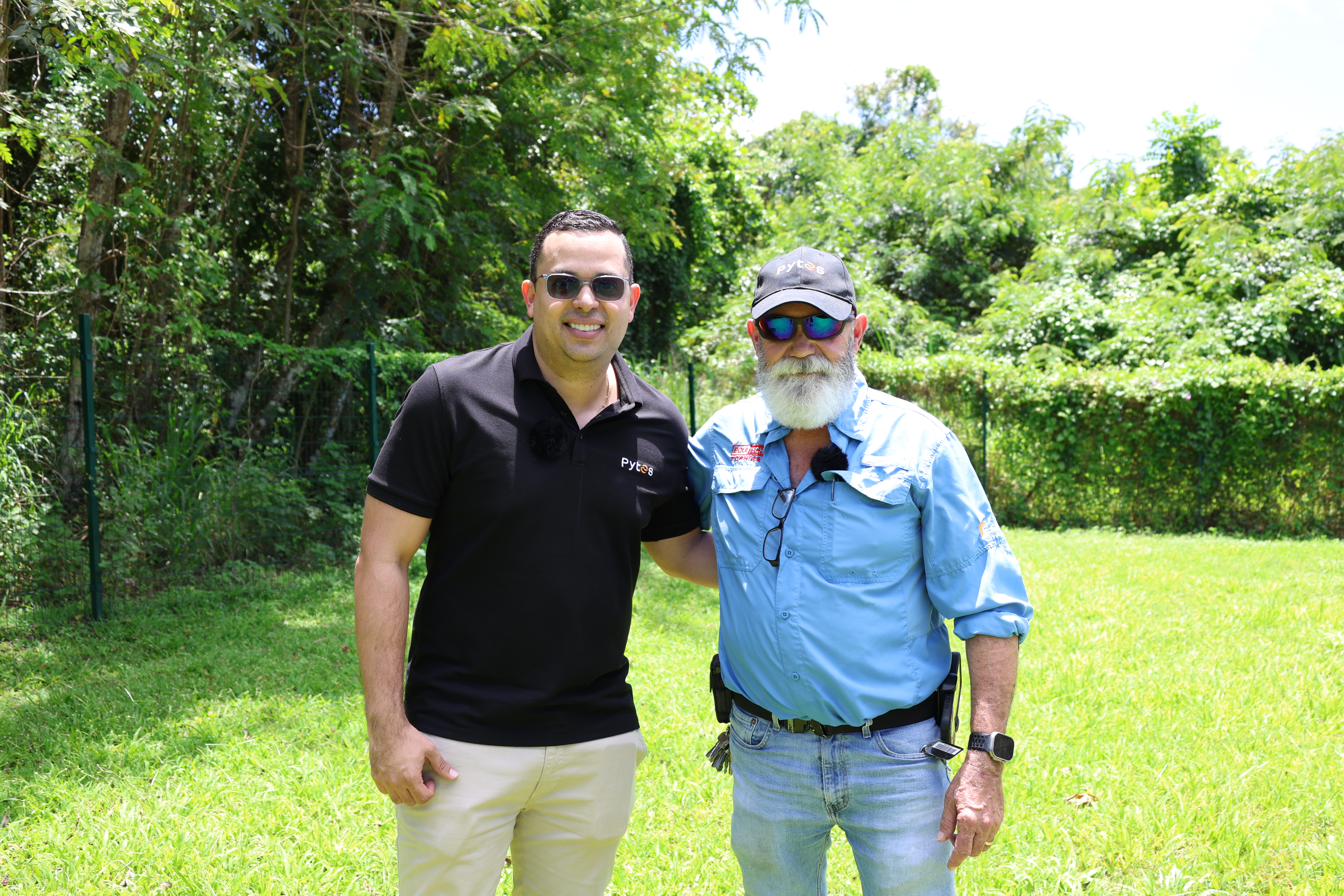
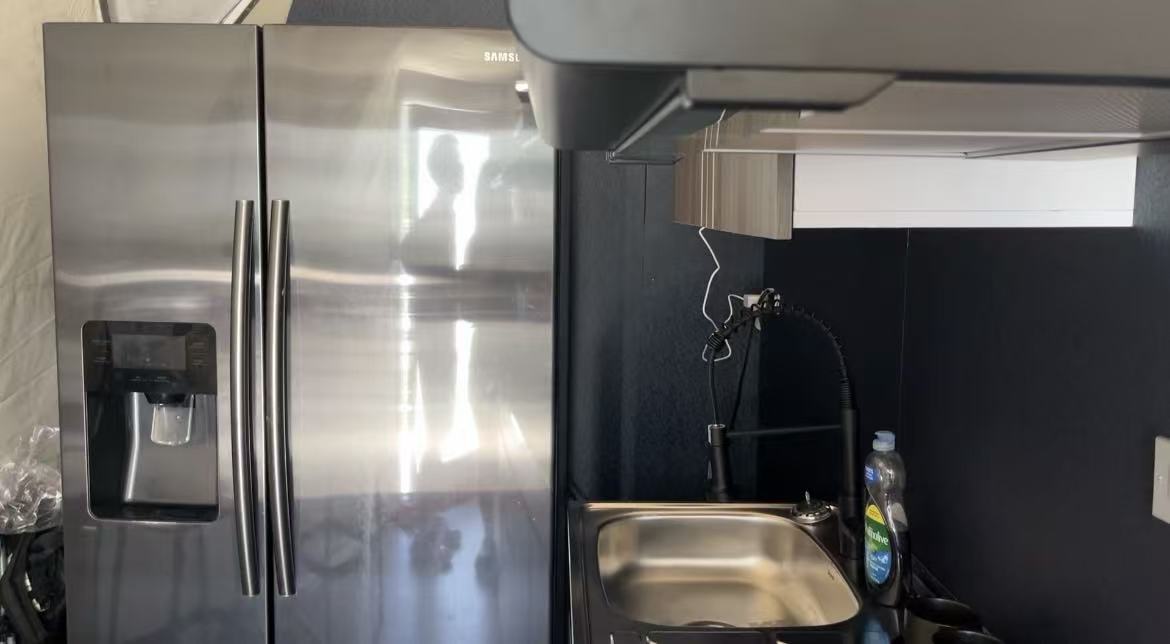
The system has been running since early in the construction phase — well ahead of the house being finished. Right now it powers the glamping dome fully: air conditioning, lighting, and all appliances for guests. It also powers the construction site itself, giving the crew a stable, climate-controlled base of operations through the Puerto Rico heat, regardless of what LUMA Energy's grid is doing that day.
The system works very well. No interruptions, no anxiety about outages on the mountain. Guests staying in the dome experience exactly what was promised. The construction schedule runs on its own terms.
When the build is complete, the same system steps up to power the entire household — home, pool, garden, terrace, and dome — self-sufficient by design, grid-tied for net metering when there is surplus. The energy question is answered once, for the full life of the property.
"We built the energy system first. On a hillside in Río Grande, there was no other way to build."— Homeowner & Builder, Glamping Dome Project, Río Grande, Puerto Rico