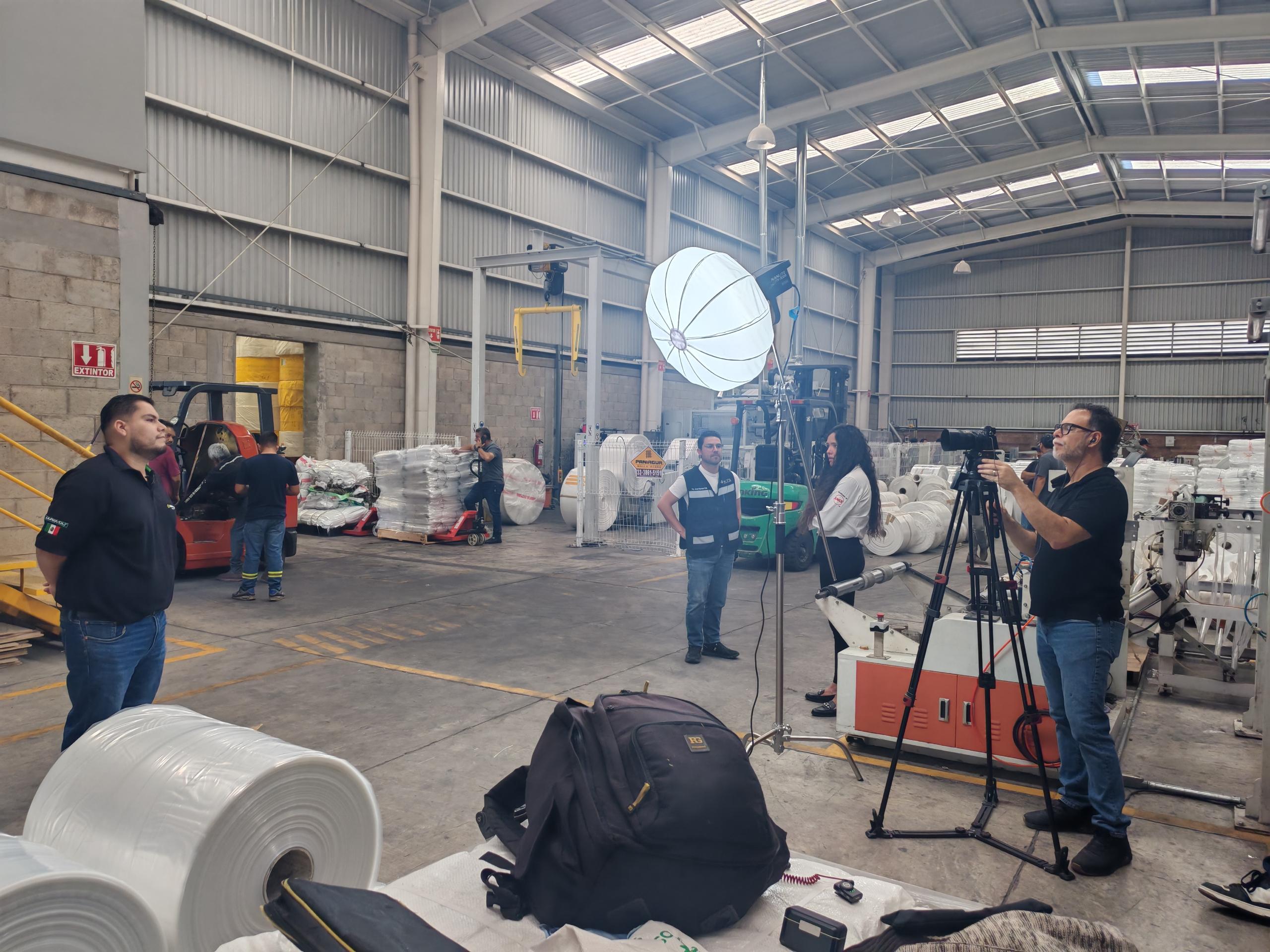
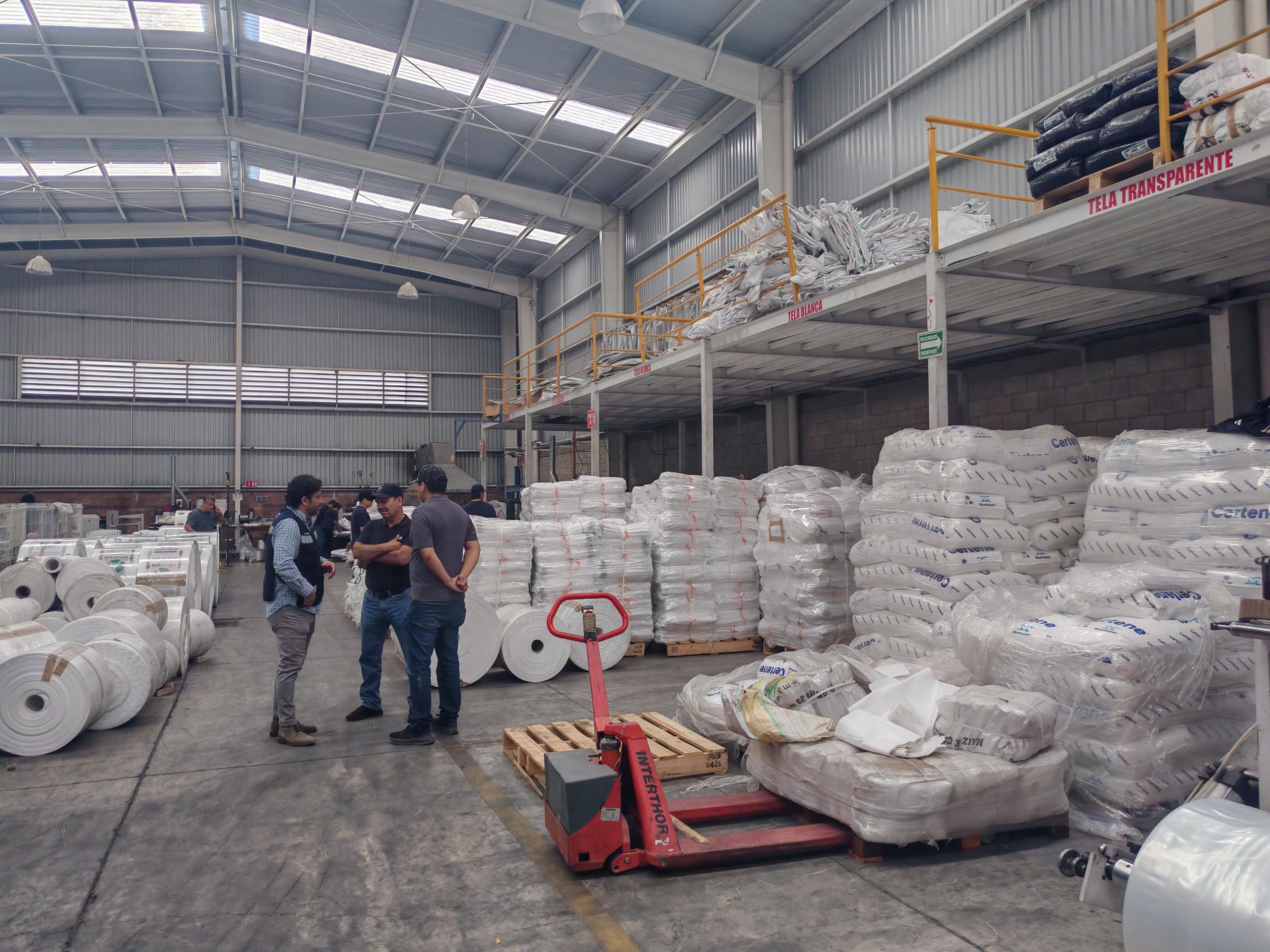
In the industrial corridor of Guadalajara, where manufacturing operations run continuously and energy costs directly impact profitability, a packaging sack manufacturer faced a familiar challenge: high electricity bills driven by peak demand charges and time-of-use pricing. Like many industrial facilities in Mexico, energy consumption was no longer just an operational necessity — it had become a critical cost variable that needed to be managed strategically.

The facility's energy profile revealed two key issues: significant demand spikes during peak hours, leading to high utility charges, and limited visibility and control over how and when energy was consumed. Without intervention, energy costs would continue to fluctuate with production cycles and grid conditions, making it difficult to achieve stable and predictable operating expenses.
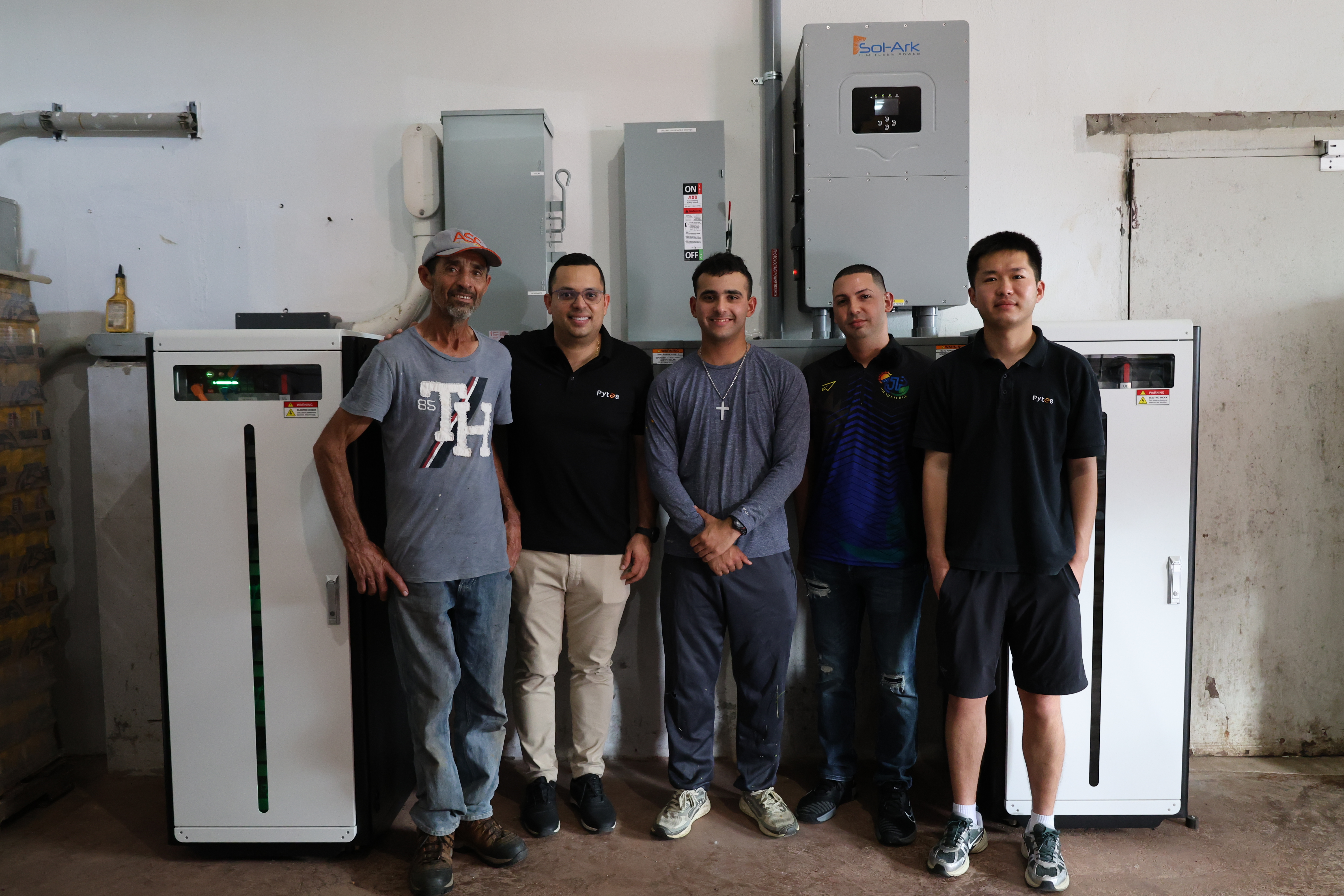
To address this, KDS Energía Eficiente designed and deployed a 135 kW Battery Energy Storage System (BESS) tailored to the facility's operational behavior. The system integrates a Victron Quattro 15,000 inverter/charger, enabling seamless switching between energy sources and supporting peak loads through hybrid PowerAssist technology, along with 36 Pytes V5 lithium batteries (Duravolt branded) that provide reliable and scalable energy storage. Beyond hardware, the real intelligence lies in the system control: the BESS continuously learns the facility’s consumption patterns and dynamically adjusts battery discharge to match real demand behavior, transforming energy usage from reactive to predictive.
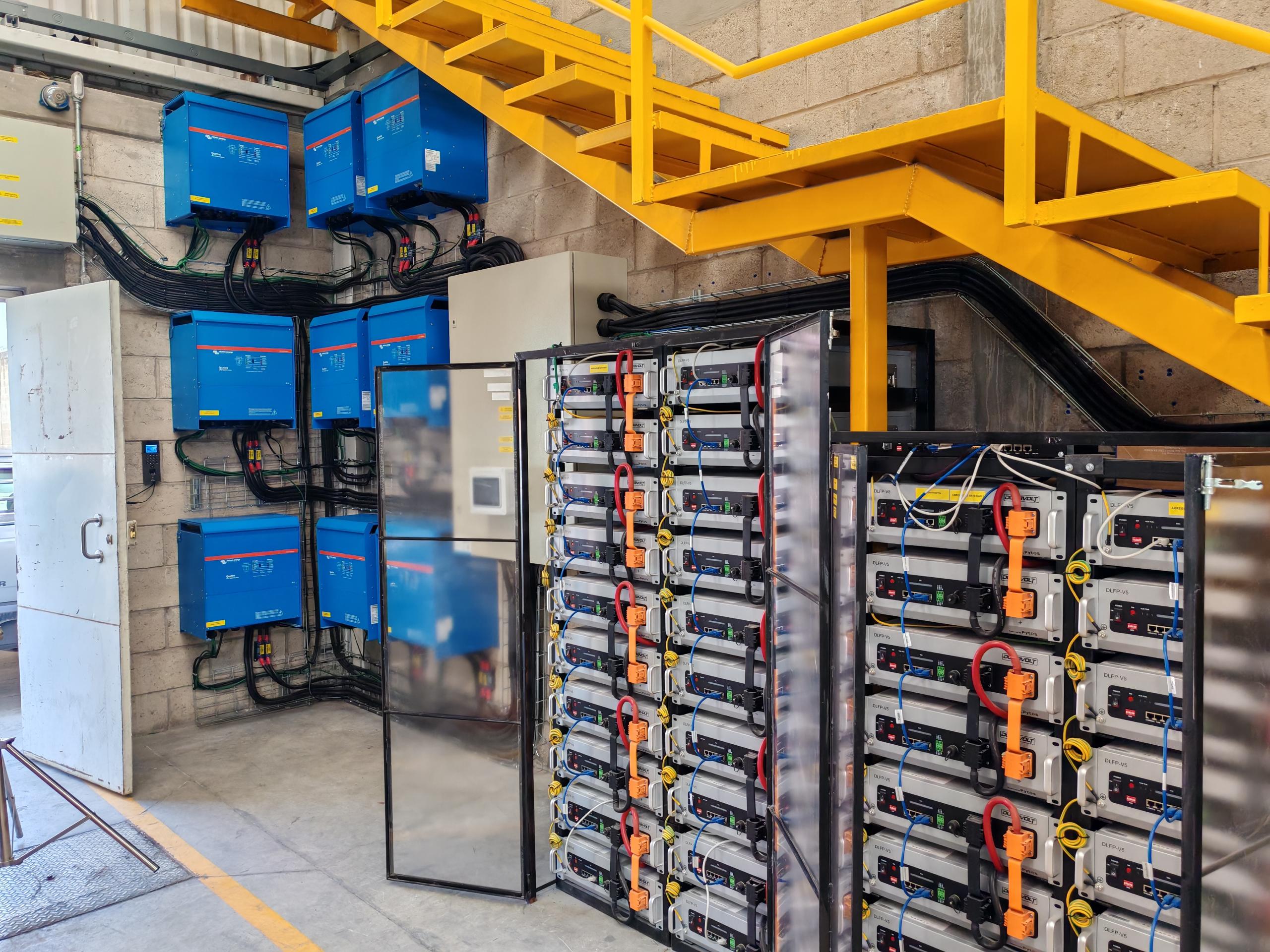
After commissioning, the system delivered immediate operational impact, including up to 90% reduction in peak demand charges, significant cost savings through energy arbitrage, smarter load management aligned with production cycles, and improved predictability of energy expenses. The system does not just store energy — it actively optimizes when and how energy is used.
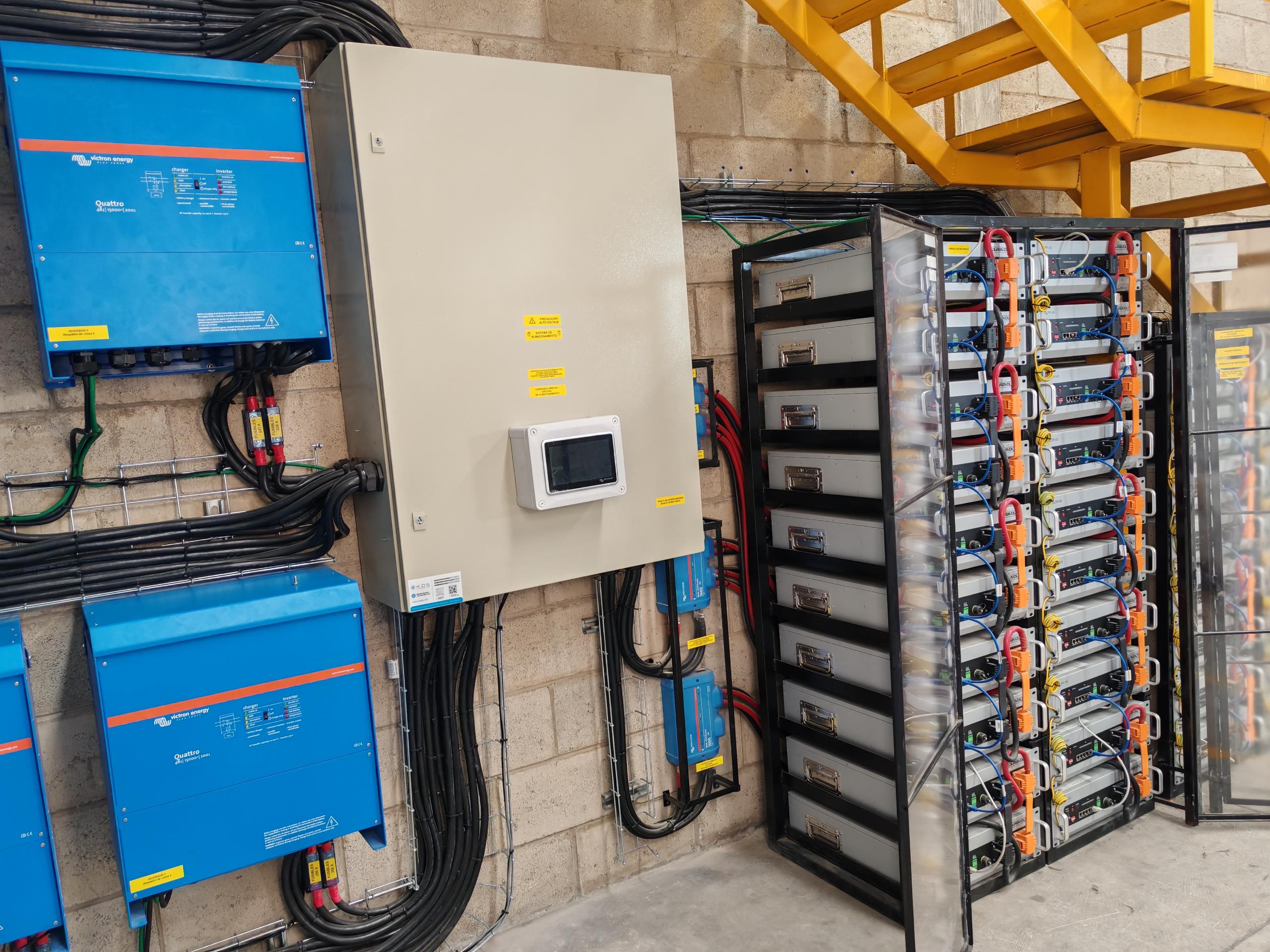
What makes this project stand out is not just the technology, but the shift in mindset from consuming energy to managing energy strategically. With advanced inverter capabilities such as dual AC inputs, fast transfer switching, and grid support functions, systems like this can maintain operational continuity while optimizing cost in real time. For industrial users, this translates into greater operational stability, reduced exposure to grid volatility, and the ability to turn energy into a competitive advantage rather than just an expense.
This project demonstrates a broader trend in industrial energy: energy storage is no longer just a backup solution — it is a strategic tool for performance. For manufacturers in regions like Guadalajara, where energy costs and reliability directly affect output, solutions like this provide a clear path forward toward smarter energy management, stronger operations, and improved margins.