The exponential growth of artificial intelligence (AI) and data center infrastructure is creating a fundamental shift in how the world thinks about energy supply and storage. Traditional battery systems — designed primarily as short-duration grid assets — are increasingly being challenged to provide reliable, around-the-clock power. This trend is spurring a surge in long-duration energy storage (LDES) solutions that can deliver power not just for a few hours, but for eight hours or more, and potentially over multiple days, enabling more resilient, flexible, and sustainable energy systems.
Against this backdrop, companies like Pytes Energy are becoming indispensable partners in the energy storage revolution. Pytes Energy’s solutions are engineered to meet the unique technical and operational challenges emerging across residential, commercial, and utility-scale markets — helping businesses and households confidently pursue energy independence and sustainability.
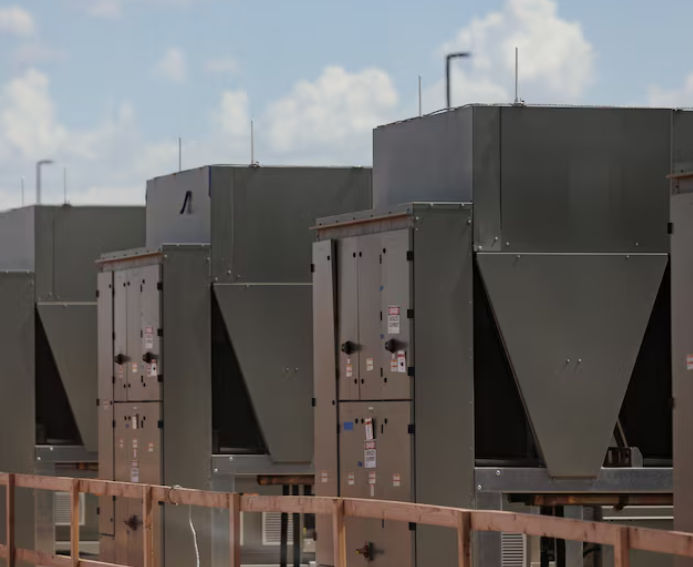
In recent years, global battery storage deployment has largely focused on short-duration lithium-ion systems. While these batteries are excellent at stabilizing grids over two to four hour cycles — for example during evening peak demand — they are increasingly insufficient for sectors where continuous, multi-day power security is becoming critical.
AI workloads operate 24/7 and are highly demanding on electricity infrastructure. Companies like Google have partnered with utilities to deploy large LDES projects that combine renewable generation and long-duration storage systems — such as iron air batteries — with capacities measured in tens of gigawatt-hours. These projects are designed not just to shave peaks, but to provide firm capacity that can leapfrog the intermittent nature of solar and wind generation.
The implications are clear:
· Grid stability now requires storage that can sustain power through cloudy days, seasonal changes, and prolonged peak loads.
· Emerging long-duration technologies are being tested at scale, backed by industry heavyweights and utility partners.
· Traditional lithium-ion systems will continue to play a role, but the technology mix is broadening rapidly.
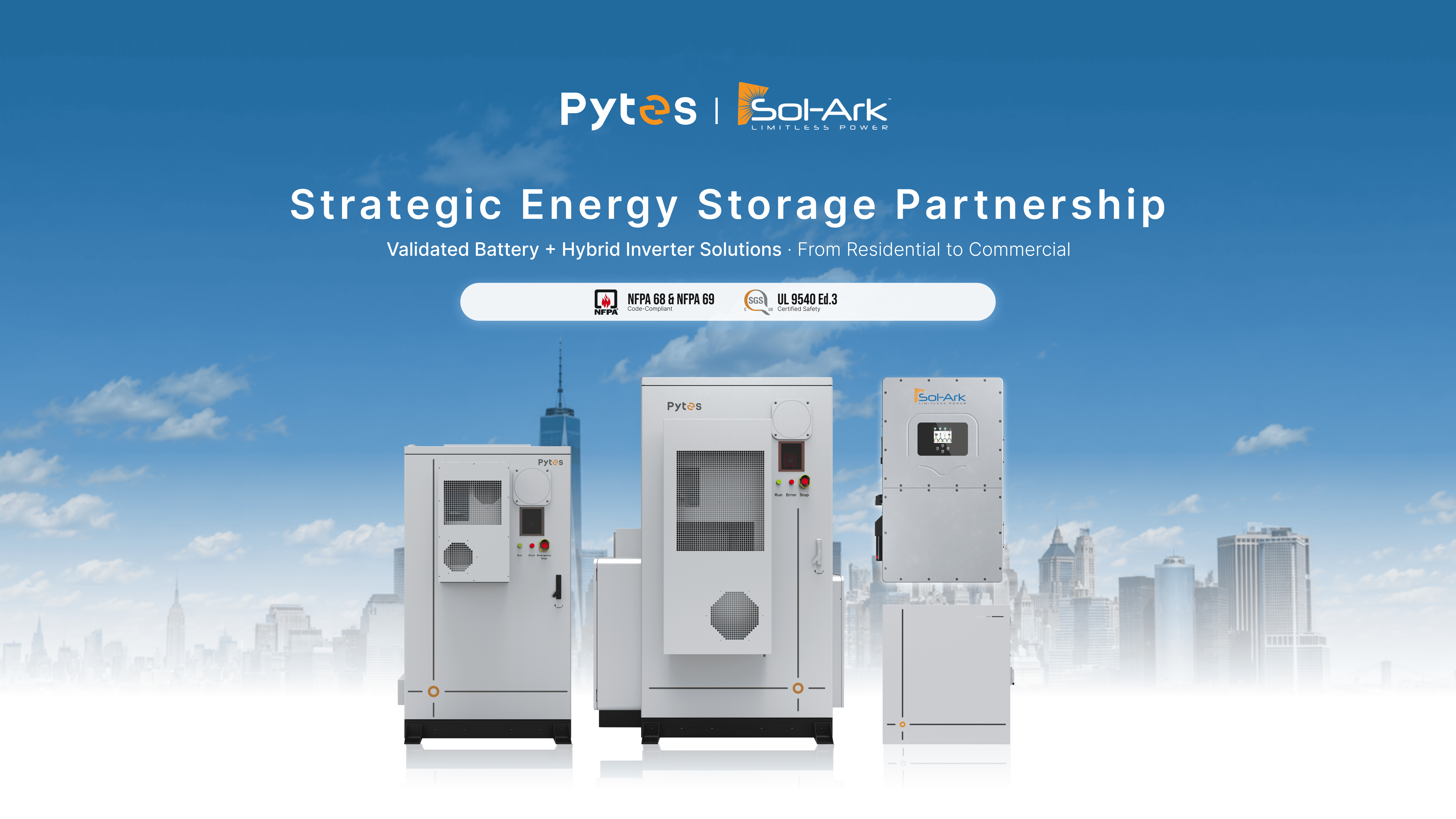
As energy systems evolve to meet this escalating demand, Pytes Energy has positioned itself as a trusted and forward looking brand in the storage space. Pytes’ product portfolio is designed with technical flexibility and real-world installation scenarios in mind:
These units are ideal for applications where compact footprint and high reliability are key — such as edge computing sites, commercial facilities, and behind-the-meter energy management systems.
· Modular design supports easy scalability
· High cycle life tailored for hybrid renewable setups
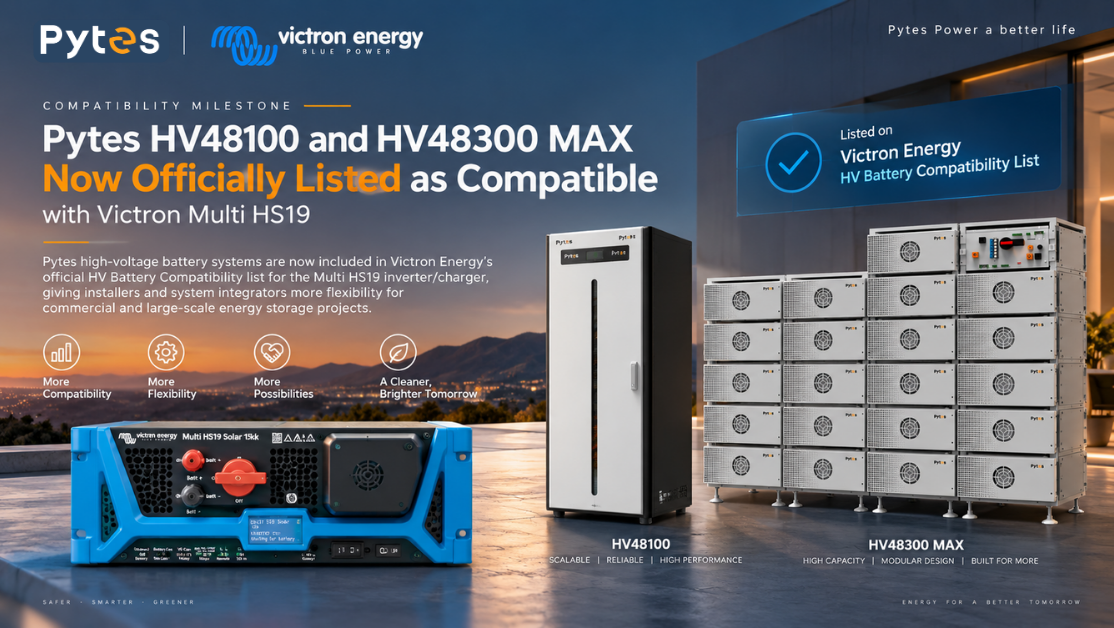
For mid-sized commercial and industrial customers, Pytes’ stackable modules allow stepwise expansion of stored capacity without disruptive equipment changes.
· Hot-swappable units minimize downtime
· Integrated monitoring maximizes lifecycle performance
High-voltage systems are increasingly important for large facilities and microgrid frameworks that require direct integration with utility-level distribution systems.
· Reduced cabling and balance-of-system costs
· Enhanced efficiency at scale, particularly for solar + storage applications
All Pytes products are engineered for seamless installation and superior user experience, reducing integration time and operational complexity. This is especially important as data centers, industrial parks, and large commercial buildings seek dispatchable energy solutions that can be relied on even when the grid is stressed.
The Reuters article makes a key point: while traditional short duration storage has dominated the market, the surge in AI — and the associated data center build out — is exposing a new requirement for storage duration beyond a few hours. Large utility scale projects that pair renewable generation with long duration storage are being treated not as experiment, but as serious capacity assets for grid adequacy and resilience.
This trend carries important implications for energy developers, infrastructure planners, and technology providers:
· Grid operators are beginning to value storage not just for peak shaving but for capacity firming, helping grids withstand continuous load while integrating high levels of renewables.
· AI and data centers aren’t just large users — they are drivers of storage innovation, because their operational economics penalize downtime and reward uninterrupted power.
· Behind the meter storage systems — including residential and commercial deployments — will play an increasingly strategic role as organizations seek autonomy from grid constraints.
In this context, Pytes Energy’s diversified product lineup — spanning low-voltage to high-voltage solutions — equips customers to participate meaningfully in this transition.
Despite the promise of long duration technologies, market analysts point out that supply chain constraints, policy uncertainties, and cost structures remain headwinds for widespread LDES rollout in the short term.
However, by investing in modular and scalable architectures, Pytes Energy’s solutions help customers navigate these challenges. Key advantages include:
· Future flexibility: Systems that can grow as needs evolve
· Grid agnostic design: Compatible with renewables, backup power, microgrids, and utility integration
· Usability and support: Turnkey installation and monitoring dashboards enhance reliability and user confidence
These features matter in a world where energy resilience is not just a technical requirement but a competitive differentiator for businesses and communities alike.
The growth of AI and data intensive industries is reshaping energy storage priorities. If the first phase of storage deployment emphasized short duration systems for peak demand management, the next phase — driven by AI, data centers, and grid modernization — will emphasize long duration resilience, reliability, and multi day availability.
Currently, Pytes Energy's product portfolio spans from low-voltage rack-mounted battery systems to high-voltage units exceeding 200kWh per module, offering flexible support for diverse scenarios—from single-cabinet edge sites to megawatt-scale campus microgrids. As AI data centers shift focus from a "compute power race" to an "energy efficiency race," energy storage solutions that combine scalability with long-duration discharge capability are increasingly becoming the standard configuration for next-generation digital infrastructure.