As energy systems evolve under the pressure of electrification, renewable integration, and rising power demand, traditional storage solutions are no longer sufficient. Commercial and industrial applications increasingly require energy storage systems that deliver not only capacity, but also efficiency, scalability, and long-term reliability. High-voltage architectures are becoming the preferred solution in this transition.
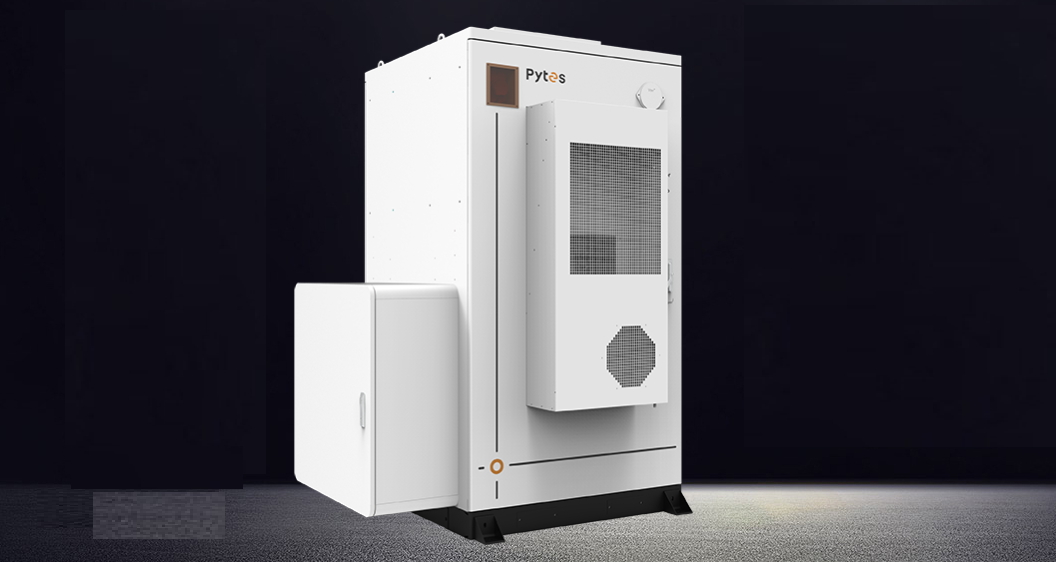
The HV48300SE-MAX from Pytes Energy reflects this shift by offering a high-voltage, integrated energy storage system designed for real-world deployment scenarios. Compared to low-voltage systems, high-voltage configurations reduce current levels for the same power output, which directly lowers energy loss, minimizes heat generation, and improves overall system efficiency. This becomes especially valuable in large-scale applications where continuous operation amplifies even small efficiency gains.
With a system capacity exceeding 200 kWh per unit, the HV48300SE-MAX is engineered to support demanding environments such as commercial facilities, industrial operations, and distributed energy systems. Its lithium iron phosphate (LFP) battery chemistry ensures high thermal stability and long cycle life, making it suitable for applications involving frequent charge and discharge cycles. This is critical in scenarios like peak shaving or renewable energy utilization, where storage systems are actively engaged rather than passively reserved.
The design also prioritizes safety and operational stability. A multi-layer battery management system continuously monitors key parameters, while integrated protection mechanisms enhance system resilience under abnormal conditions. Combined with an enclosure designed for outdoor and industrial environments, the system maintains reliable performance across a wide temperature range, reducing dependence on additional environmental controls.
Scalability is a defining advantage. The modular architecture allows multiple units to be connected in parallel, enabling flexible expansion from smaller installations to large-scale energy storage systems. This approach supports phased investment while ensuring that system capacity can grow alongside actual demand, avoiding unnecessary upfront costs.
Equally important is the system’s operational transparency. Integrated monitoring and remote management capabilities provide real-time visibility into performance, allowing users to optimize operation and reduce maintenance risks. This level of control is increasingly essential as energy systems become more complex and distributed.
Pytes Energy has established itself as a trusted brand in the energy storage industry by focusing on practical, user-oriented solutions. Its portfolio includes low-voltage server rack batteries, stackable modular systems, and high-voltage solutions like the HV48300SE-MAX, all designed to simplify installation and enhance user experience. By aligning product design with real application needs, Pytes enables both businesses and households to move toward energy independence with greater confidence.
As the demand for reliable and scalable energy continues to grow, high-voltage storage systems are becoming a key component of modern energy infrastructure. The HV48300SE-MAX demonstrates how advanced engineering and practical design can come together to deliver efficient, flexible, and future-ready energy solutions.