The global energy storage industry is entering a completely new phase in 2026. What was once a market focused mainly on installation volume and aggressive price competition is now evolving into a technology-driven industry centered on system reliability, safety, intelligent energy management, and long-term operational value.
One of the biggest drivers behind this transformation is the rapid expansion of AI infrastructure.
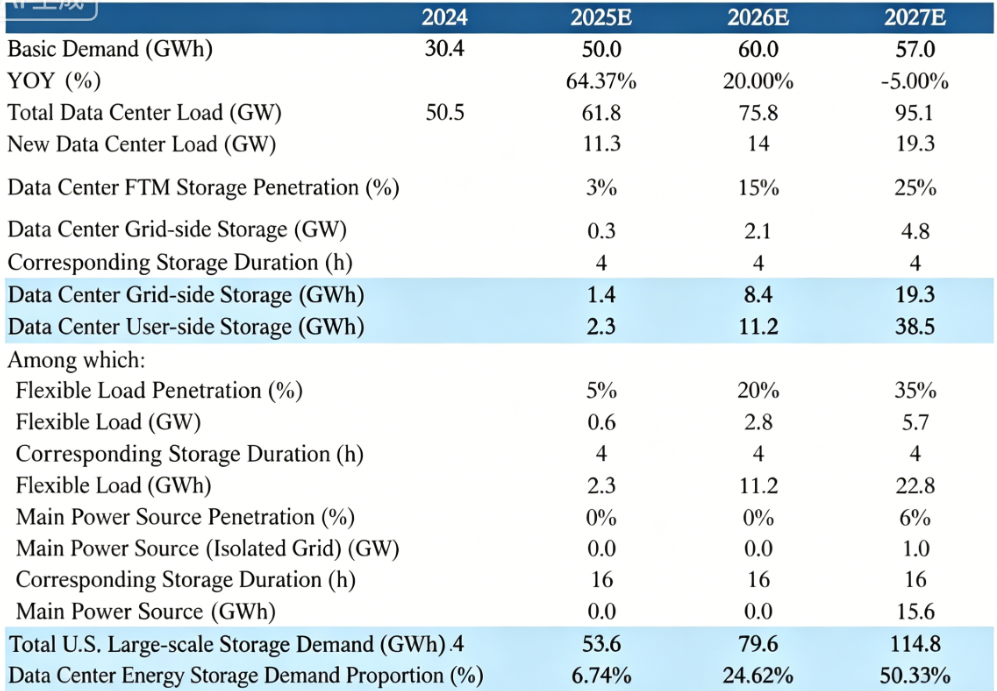
As artificial intelligence models become larger and more computationally intensive, data centers around the world are facing unprecedented power demand. High-density GPU clusters, continuous computing workloads, and growing cloud infrastructure are pushing energy systems beyond the limits of traditional backup power architecture.
This shift is turning energy storage from a supporting component into a core infrastructure asset.
Recent industry reports show that AI data centers are becoming one of the fastest-growing application sectors for battery energy storage systems. In markets such as the United States, Europe, and parts of Asia-Pacific, utility-scale storage projects and AI infrastructure deployments are increasingly being planned together.
The demand is no longer only about storing electricity. It is about ensuring uninterrupted power stability, fast response capability, scalable deployment, and intelligent energy optimization.
Traditional energy storage systems were often designed around renewable integration and peak-shaving applications. AI data centers, however, create a very different operational environment.
These facilities require:
· continuous high-load operation
· rapid response power delivery
· stable thermal management
· high cycle life
· low downtime risk
Even short interruptions can affect massive computing operations and lead to significant financial losses.
As a result, energy storage solutions for modern infrastructure are moving toward higher system integration and smarter energy management architecture.
The market is increasingly favoring modular systems that can scale efficiently while maintaining stable performance under demanding operating conditions.
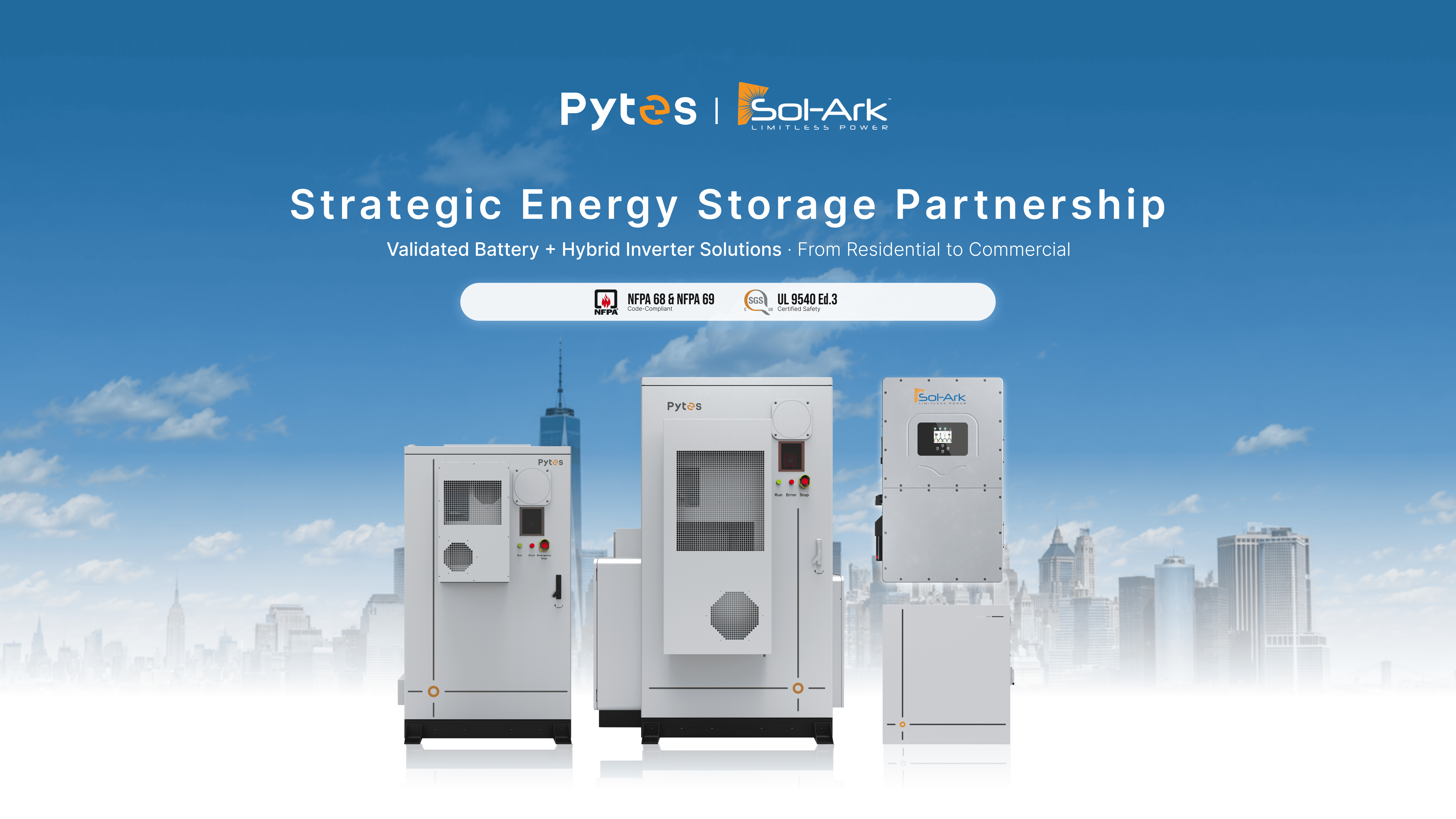
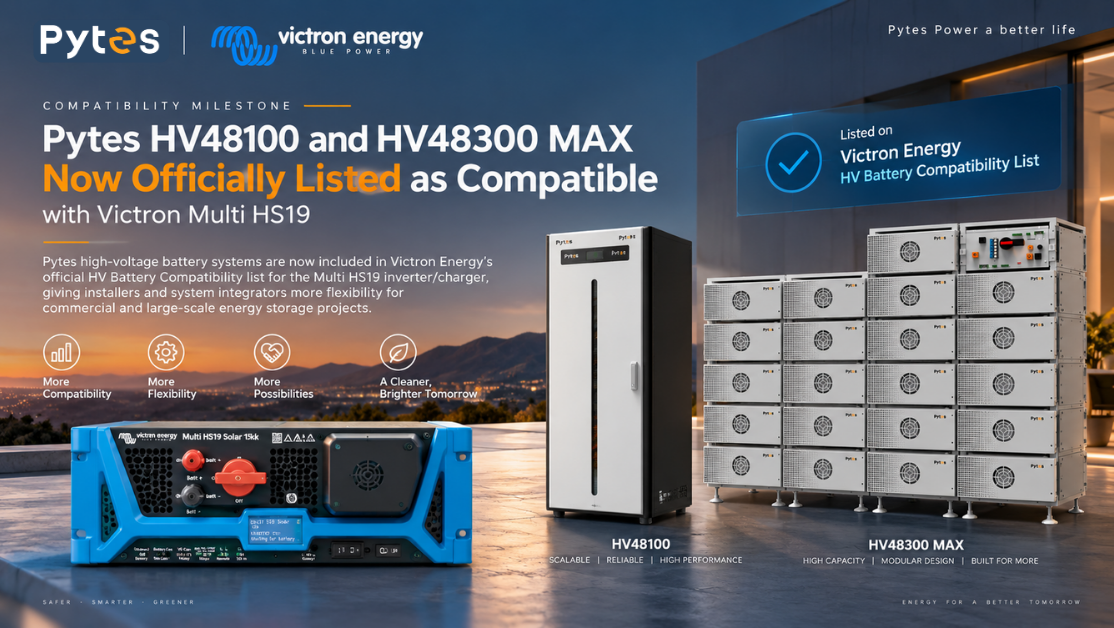
Pytes Energy has been focusing on this direction by developing energy storage solutions designed for flexibility, reliability, and seamless deployment. Its product portfolio includes low-voltage server rack batteries, stackable modular systems, and high-voltage energy storage solutions that support both residential and commercial applications.
As power demand structures become more dynamic, modular energy storage architecture is becoming more valuable than ever.
For several years, the energy storage market experienced aggressive price competition, especially in lithium battery supply chains. However, the market environment in 2026 is changing rapidly.
Battery cell prices have started rising again due to growing global demand, especially in sectors such as:
· AI data centers
· commercial and industrial storage
· residential solar storage
· grid-scale renewable integration
At the same time, customers are paying closer attention to total lifecycle performance rather than simply initial purchase cost.
This means that factors such as:
· battery consistency
· thermal stability
· energy conversion efficiency
· system lifespan
· maintenance simplicity
are becoming critical purchasing considerations.
The companies gaining long-term market trust are no longer necessarily the ones offering the lowest prices, but the ones capable of delivering stable system performance and reliable long-term operation.
As global energy storage deployment accelerates, safety standards are becoming more demanding.
Recent international incidents involving thermal runaway and energy storage fires have pushed the industry to focus heavily on:
· battery thermal management
· intelligent BMS architecture
· fire protection systems
· real-time monitoring platforms
· multi-layer safety design
This is particularly important for AI infrastructure, where energy systems operate continuously under high electrical load conditions.
Modern storage systems increasingly adopt advanced cooling technologies and intelligent monitoring systems to reduce operational risk.
Pytes Energy continues emphasizing system reliability and user experience through modular battery architecture and optimized installation design. The modular approach not only improves scalability, but also simplifies maintenance and enhances operational stability over long deployment cycles.
For both residential and commercial users, long-term reliability is now one of the most important decision-making factors.
Another major trend in 2026 is the rapid adoption of modular storage systems.
Traditional fixed-capacity systems often create challenges during future expansion or system upgrades. In contrast, modular energy storage allows users to increase capacity more flexibly based on changing energy demand.
This approach is especially attractive for:
· residential solar storage
· commercial peak shaving
· backup power systems
· microgrid applications
· distributed energy infrastructure
Stackable modular systems also improve transportation efficiency, simplify installation, and reduce deployment complexity.
As international markets continue demanding faster project delivery and easier maintenance, modularity is becoming a strong competitive advantage.
Pytes Energy’s stackable storage systems are designed specifically around these evolving market expectations, helping users achieve more flexible energy management without complicated infrastructure redesign.
The energy storage industry is no longer competing only at the battery cell level.
Today, competition is increasingly focused on complete system capability, including:
· energy management systems
· thermal control
· safety architecture
· intelligent monitoring
· installation efficiency
· after-sales support
· global delivery capability
Customers, especially in Europe and North America, are looking for integrated energy solutions instead of isolated hardware products.
This transition is pushing many storage companies to evolve from battery suppliers into full energy solution providers.
While AI infrastructure is becoming a major growth driver, residential and commercial energy storage markets continue expanding rapidly as well.
In Europe and North America, energy independence and electricity cost management remain key market drivers.
Homeowners increasingly want storage systems that support:
· backup power capability
· solar integration
· lower electricity bills
· long-term energy stability
Commercial users are focusing on:
· peak demand reduction
· energy cost optimization
· ESG targets
· grid reliability
These trends continue driving global demand for reliable and scalable energy storage systems.
The energy storage industry is now entering a more mature and technology-focused development cycle.
The next stage of competition will likely be determined by which companies can deliver:
· safer systems
· longer operational lifespan
· lower lifecycle cost
· better user experience
· smarter energy management
· stronger global support capability
As AI infrastructure, renewable energy, and distributed power systems continue expanding worldwide, energy storage is becoming one of the foundational technologies of the modern energy economy.
For companies like Pytes Energy that continue investing in system reliability, modular design, and user-focused energy solutions, the new market cycle is creating significant long-term opportunities in the global storage industry.