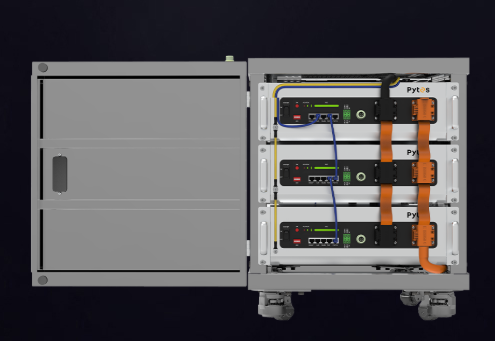
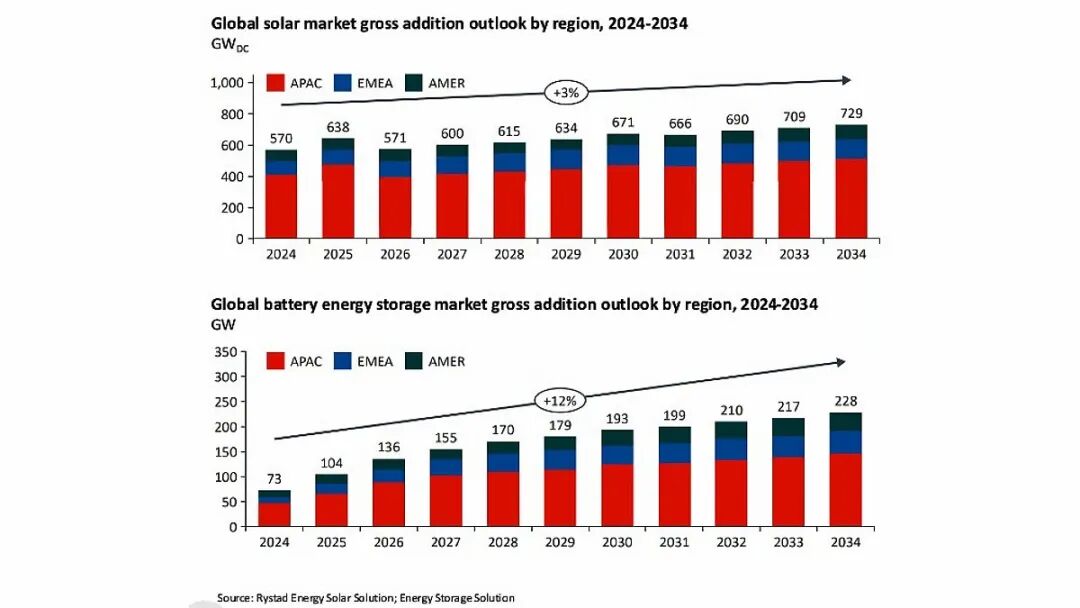
The Battery Energy Storage System (BESS) market is entering an accelerated growth phase, driven by the global push toward renewable energy integration, electrification, and modernized power grids. Valued at USD 10 billion in 2025, the market is projected to reach USD 47 billion by 2032, expanding at a remarkable CAGR of 24.9%. As nations intensify decarbonization efforts, BESS has become a critical enabler for energy transition, ensuring grid reliability, operational flexibility, and energy security.As a global leader in energy storage solutions, Pytes has established a clear strategic roadmap to capture the significant growth opportunities emerging across this vast market.

Battery energy storage systems are increasingly vital in stabilizing grids amid rising renewable energy penetration, particularly intermittent sources like solar and wind. By enabling load shifting, frequency regulation, and peak demand management, BESS enhances operational stability and efficiency.Pytes addresses these critical grid requirements through advanced energy management systems and cutting-edge battery technologies.Designed for seamless integration with renewable generation, Pytes’ solutions deliver essential grid services while optimizing energy use across a wide range of applications—from utility-scale deployments to commercial and residential systems.
Continuous advancements in battery chemistry and system architecture are driving down costs while improving scalability, safety, and performance. Additionally, government-backed initiatives across North America, Europe, and Asia Pacific are promoting widespread deployment in both utility-scale and behind-the-meter applications.Pytes closely follows policy and regulatory developments across major global markets, ensuring full local compliance while enabling customers to maximize the benefits of tax credits, rebates, and other incentive programs.
Industry players are also focusing on modular and hybrid systems that integrate solar PV, wind energy, and EV charging infrastructure, fostering flexible, sustainable energy ecosystems. As storage evolves from a backup asset to a core grid component, it is transforming how utilities, businesses, and consumers manage electricity.
1. Renewable Integration and Grid Stability
Rapid global expansion of solar and wind energy necessitates advanced energy storage to manage variability and maintain continuous power delivery.
2. Government Incentives and Energy Policies
Programs such as the U.S. Inflation Reduction Act and the EU Green Deal provide subsidies, tax credits, and mandates that accelerate large-scale BESS deployment.
3. Falling Battery Prices and Technological Advancements
Innovations in lithium-ion, solid-state, and sodium-ion batteries are reducing costs while improving efficiency, lifespan, and safety.
4. Electrification of Mobility and Industry
The rise in EV charging networks and industrial electrification drives parallel demand for distributed energy storage systems.
5. Corporate Sustainability Goals
Businesses are increasingly installing on-site BESS to reduce energy costs, minimize emissions, and enhance resilience during grid disruptions.
Pytes provides targeted products and solutions to address opportunities in different market segments:
1. Utility-Scale Projects: Dominant in the market, supported by public-private partnerships and grid modernization initiatives.
2. Commercial and Industrial Applications: Companies leverage storage to offset peak tariffs and ensure uninterrupted operations.Pytes C&I energy storage system employs intelligent algorithms to automatically execute optimal charging and discharging strategies, maximizing electricity bill savings and providing backup power for critical loads.
3. Residential Storage: Coupled with rooftop solar, residential BESS adoption is expanding rapidly in developed markets, aided by smart home technologies and net metering.Pytes’ residential energy storage products are renowned for their aesthetics, safety, and ease of use.
4. Emerging Markets: Latin America, the Middle East, and Africa are adopting BESS to diversify energy portfolios and address grid reliability challenges.Targeting areas with weak grids or frequent off-grid scenarios, Pytes offers highly adaptable and easy-to-maintain energy storage products, delivering stable and reliable power to communities and factories.
5. Next-Generation Technologies: Solid-state and flow batteries enable long-duration storage, essential for continuous renewable energy availability.
North America:Leads the market due to substantial investments in utility-scale storage, renewable integration mandates, and federal incentives.
Europe:Follows closely, supported by strong policy frameworks, renewable integration, and local battery manufacturing initiatives under the EU Green Deal and REPowerEU.
Asia Pacific:The fastest-growing region, with China, Japan, South Korea, and India leading large-scale battery production and deployment.
Latin America:Gradually advancing, driven by grid modernization projects in Brazil and Chile.
Middle East & Africa:Leveraging BESS for off-grid and hybrid renewable installations, supporting remote areas and industrial zones.
In response to the market characteristics and demands of the aforementioned regions, Pytes has developed tailored market entry and growth strategies. Equipped with a mature portfolio of products and solutions, the company comprehensively addresses diverse needs, demonstrating its commitment to delivering stable, efficient, and sustainable energy storage value to global customers.
1. Hybrid Energy Ecosystems: Combining storage with solar, wind, and EV infrastructure.
2. Digitalization and Smart Management: Integration of AI and IoT to optimize battery usage and predict maintenance needs.
3. Long-Duration Storage: Growing interest in technologies enabling 24/7 renewable energy availability.
4. Corporate Decarbonization: BESS adoption by businesses for cost reduction, energy independence, and sustainability compliance.
In response to these industry trends, Pytes continues to advance technological exploration and solution development, driving the transition toward intelligent, reliable, and zero-carbon energy systems.
The global BESS market is poised for robust growth from 2025 to 2032, driven by renewable integration, technological innovation, and supportive policies. With rising demand from utilities, commercial enterprises, and residential users, BESS is evolving from a backup asset to a central component of modern energy systems.
Investments in BESS not only enhance grid stability and operational efficiency but also enable the global transition to clean, reliable, and flexible energy. As the market expands, opportunities for innovation, long-duration storage solutions, and regional deployment will continue to reshape the energy storage landscape worldwide.
Pytes looks forward to collaborating with global partners to capture opportunities in innovation, long-duration energy storage solutions, and regional deployment amid market expansion, continually reshaping the global energy storage landscape.