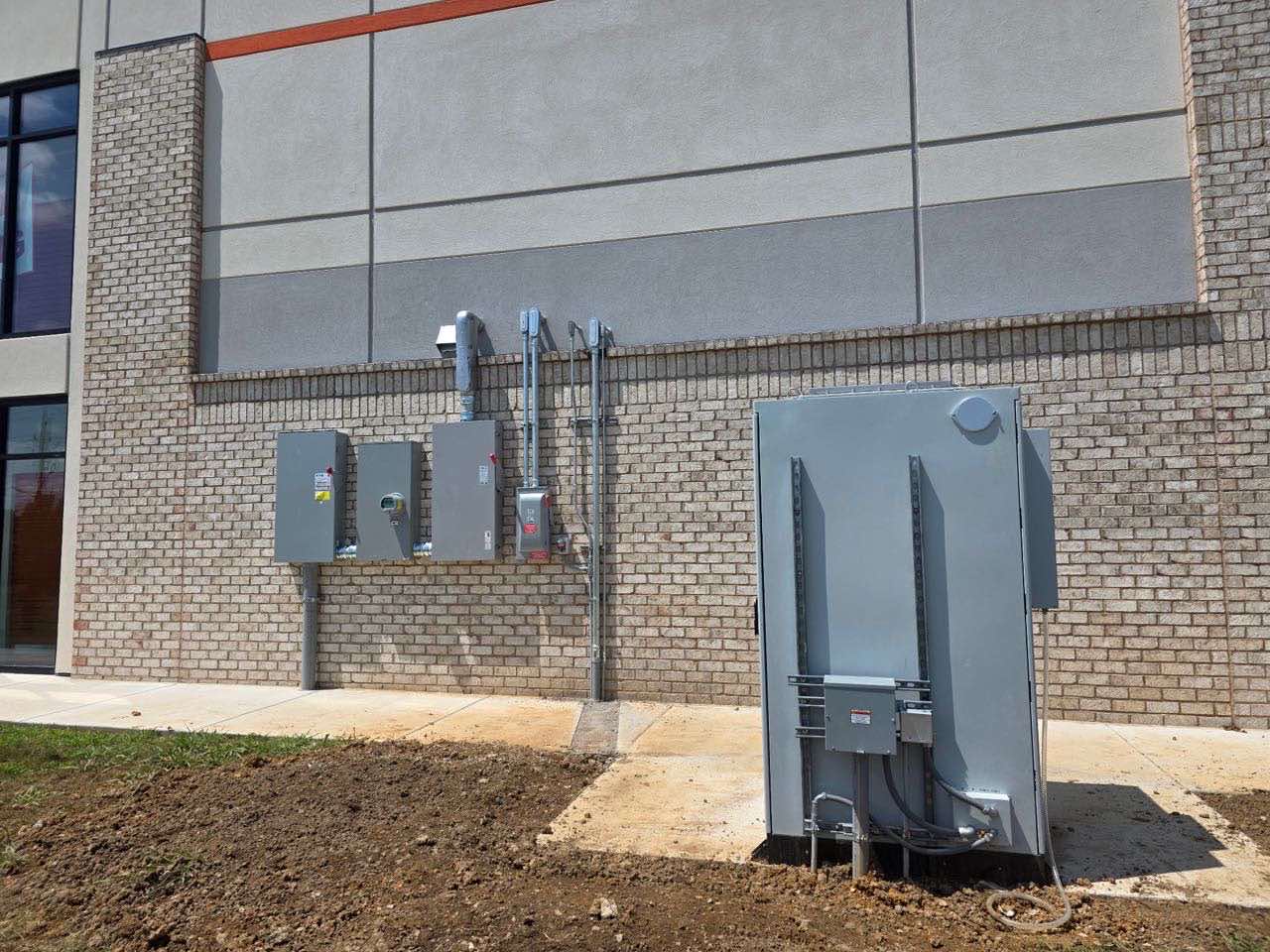
A commercial self-storage facility in Cleveland, Tennessee, has integrated a 61.44 kWh Pytes HV48100 SE high-voltage battery energy storage system (BESS) with approximately 100 kW of rooftop solar PV and a Sol-Ark 60K-3P-480V hybrid inverter.
Connected to the facility's 277/480 V three-phase electrical system, the solar-plus-storage installation stores solar energy for later use and provides backup power to designated critical loads during grid outages.

| Item | System Configuration |
|---|---|
| Location | Cleveland, Tennessee, USA |
| Application | Commercial self-storage facility |
| Battery | Pytes HV48100 SE |
| Battery Configuration | 12S1P |
| Energy Storage | 61.44 kWh |
| Nominal Battery Voltage | 614.4 VDC |
| Continuous Battery Current | 50 A |
| Continuous Battery Output | Approx. 30.7 kW at nominal voltage |
| Hybrid Inverter | 1 × Sol-Ark 60K-3P-480V |
| Solar PV | Approx. 100 kW rooftop PV |
| Site Electrical Service | 277/480 V, 3-phase |
| Grid Configuration | Non-export |
| Backup Strategy | Dedicated critical-load panel |
| Primary Applications | Solar self-consumption + critical-load backup |
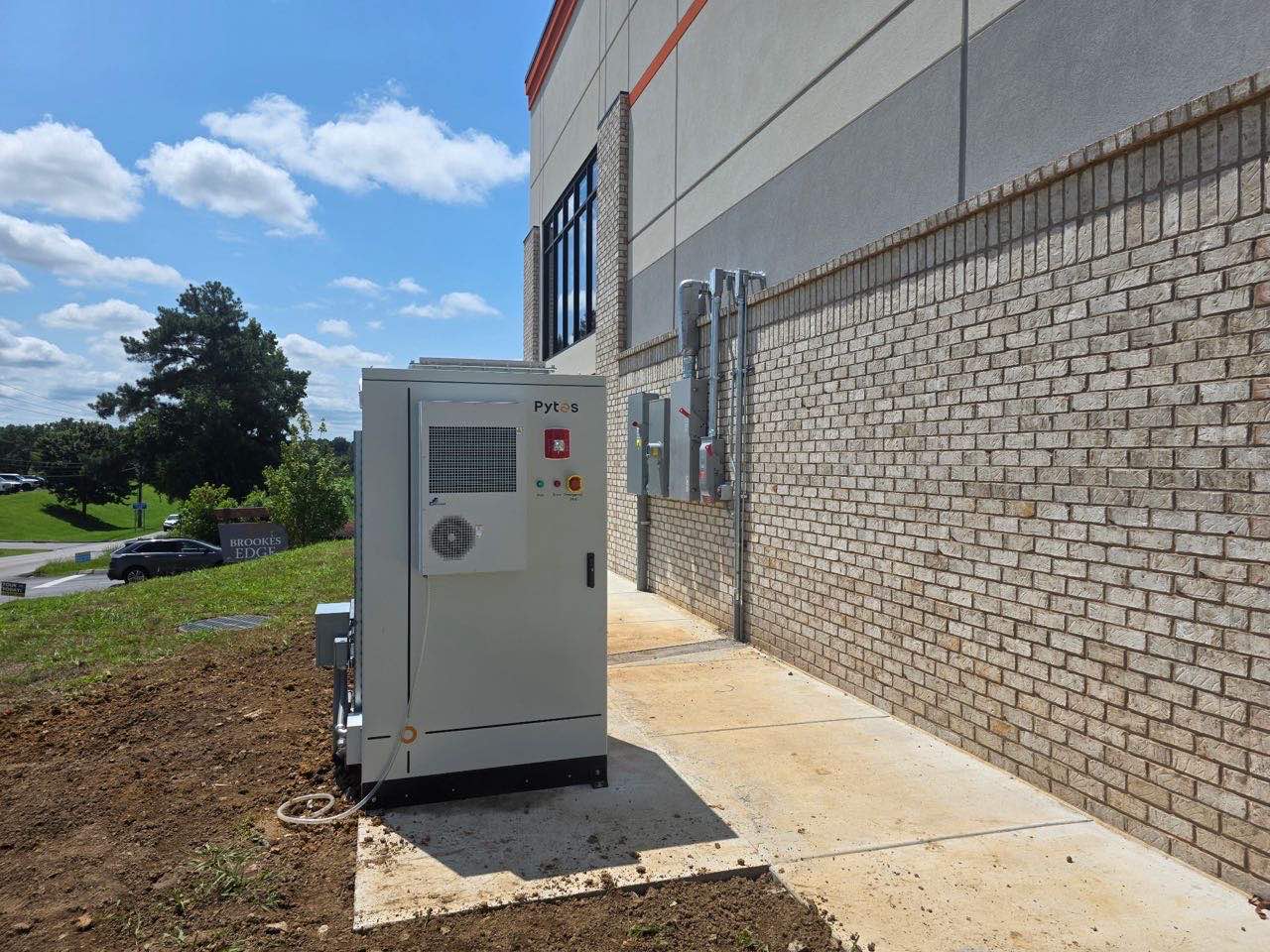
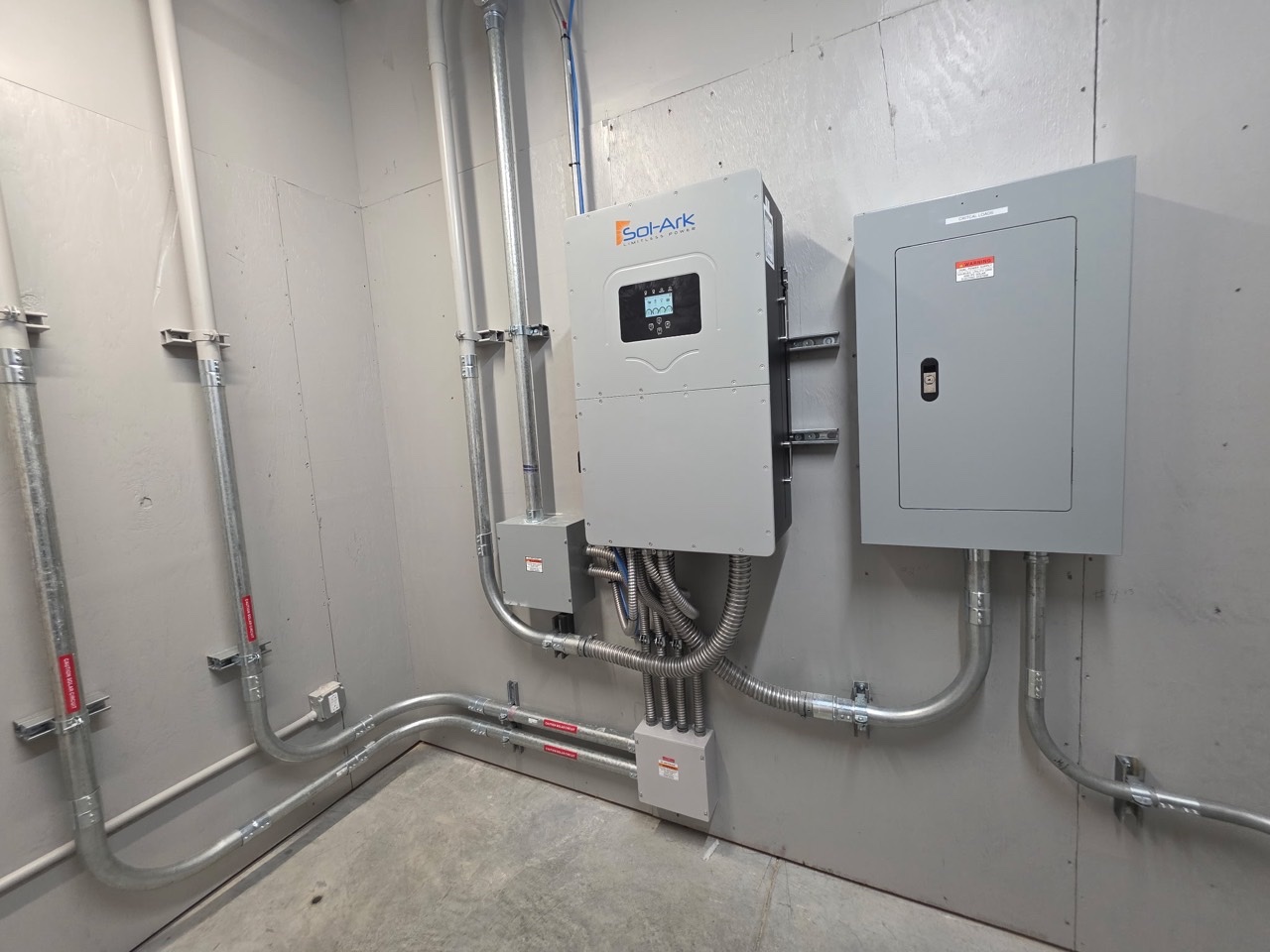
Rather than attempting to support every electrical load at the facility during an outage, the system uses a dedicated critical-load panel. This allows the battery system to prioritize the loads that matter most when utility power is unavailable.
For installers, defining the backup scope early in the design process can make a significant difference to system sizing. The required battery configuration should reflect the actual critical-load demand and desired backup duration rather than simply the building's total electrical service rating.
In this project, that approach allows the HV48100 SE system to provide practical backup capability without requiring the battery to match the full 60 kW inverter rating.
During daylight hours, rooftop solar PV supplies facility loads, with surplus generation used to charge the BESS. As PV output declines, the BESS can discharge to support on-site demand and reduce grid imports.
The system is configured for non-export operation, prioritizing solar self-consumption rather than exporting surplus generation to the utility grid. During a grid outage, the Sol-Ark hybrid inverter and Pytes BESS can provide backup power to designated loads through the dedicated critical-load panel.

This installation highlights a point that can easily be overlooked when designing commercial solar-plus-storage systems:
The inverter nameplate rating alone should not determine battery size.
A 60 kW inverter does not automatically require 60 kW of continuous battery power.
Battery selection should instead consider the actual application, including required backup load, runtime, battery discharge demand, solar contribution and overall operating strategy.
For this Tennessee project, the result is a system with:
~100 kW PV | 60 kW Inverter | 61.44 kWh Storage | ~30.7 kW Continuous Battery Output
Each component is sized according to the role it plays within the overall system.
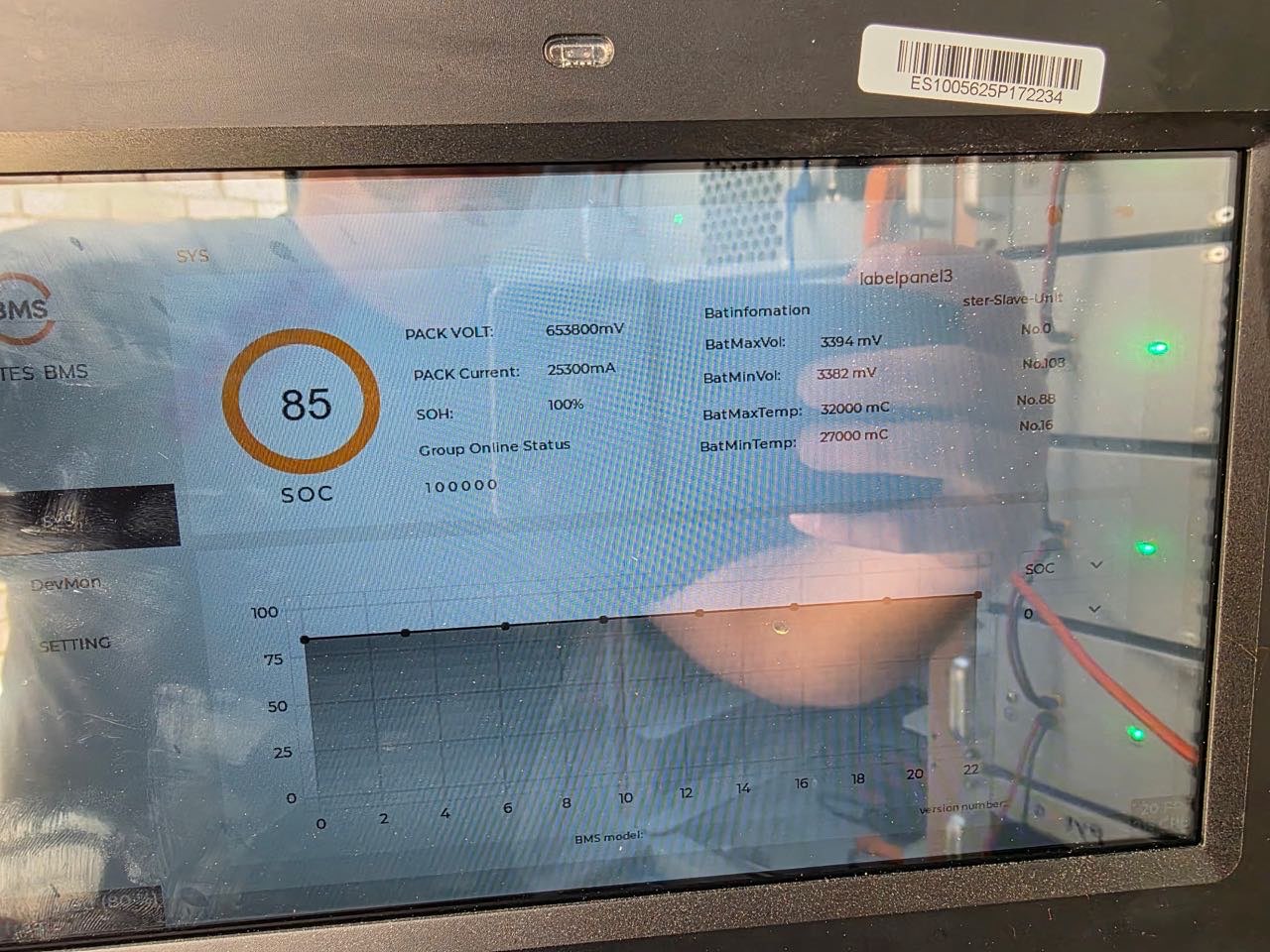
The completed installation adds 61.44 kWh of high-voltage battery storage to the facility's solar energy system, enabling solar energy to be stored for use beyond daylight hours while also providing a dedicated source of backup power for selected critical loads.
Beyond the individual project, the installation offers a useful reference for installers working with 480 V commercial solar and storage systems.
It shows how PV capacity, inverter rating, battery energy capacity and battery power can be evaluated separately and brought together around the customer's actual operating requirements.