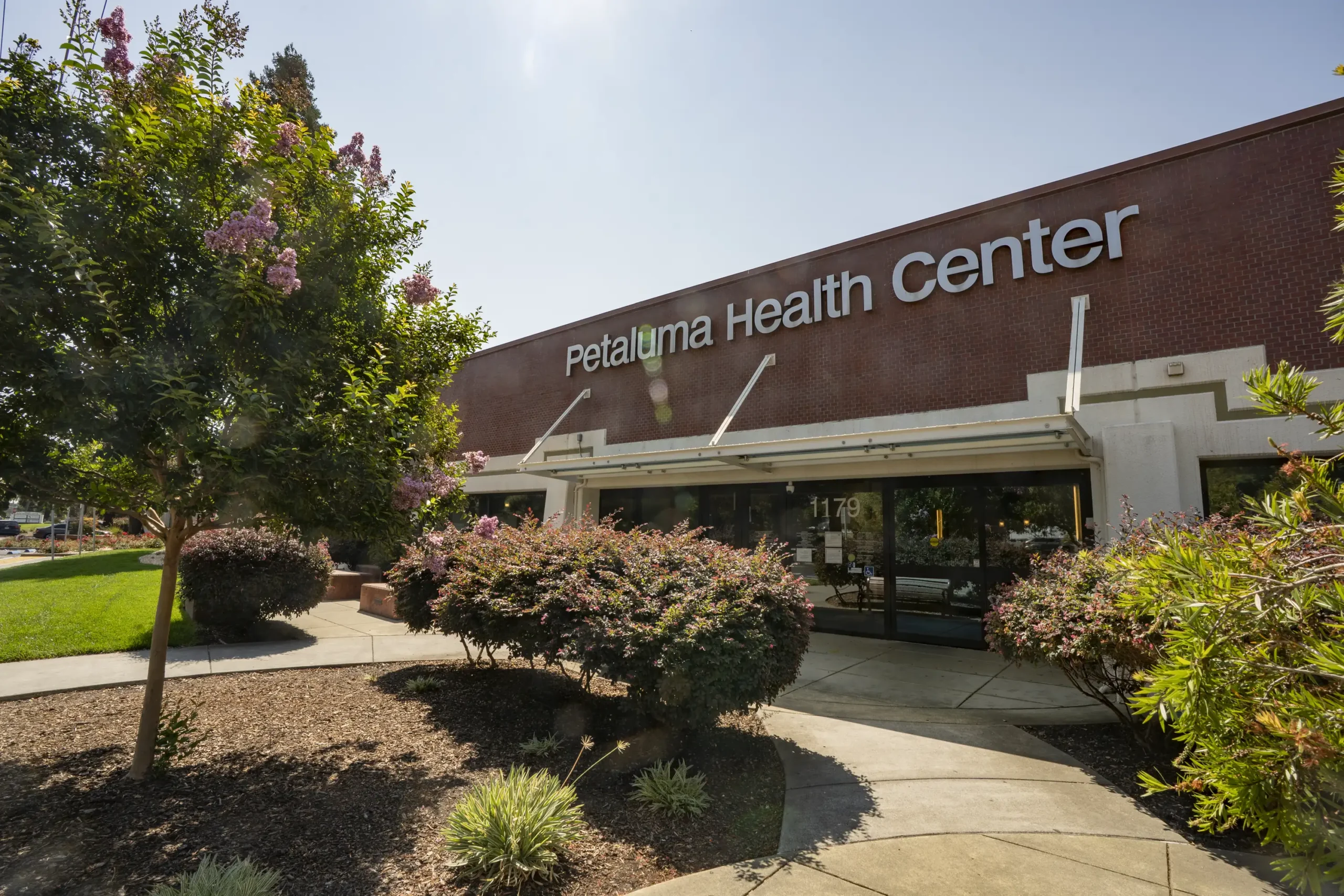
Located in Petaluma, California, Petaluma Health Center is a nonprofit Federally Qualified Health Center (FQHC) serving communities across Sonoma County and West Marin.
Founded in 1996, the organization is dedicated to providing accessible, high-quality healthcare, including primary care, dental services, behavioral health, and other essential medical services. For healthcare facilities, reliable electricity plays an important role in maintaining daily operations and supporting continuity of care. Petaluma Health Center has long recognized the importance of energy resilience. In previous years, utility power shutoffs in Northern California highlighted the need for alternative power sources to support healthcare services during emergencies.
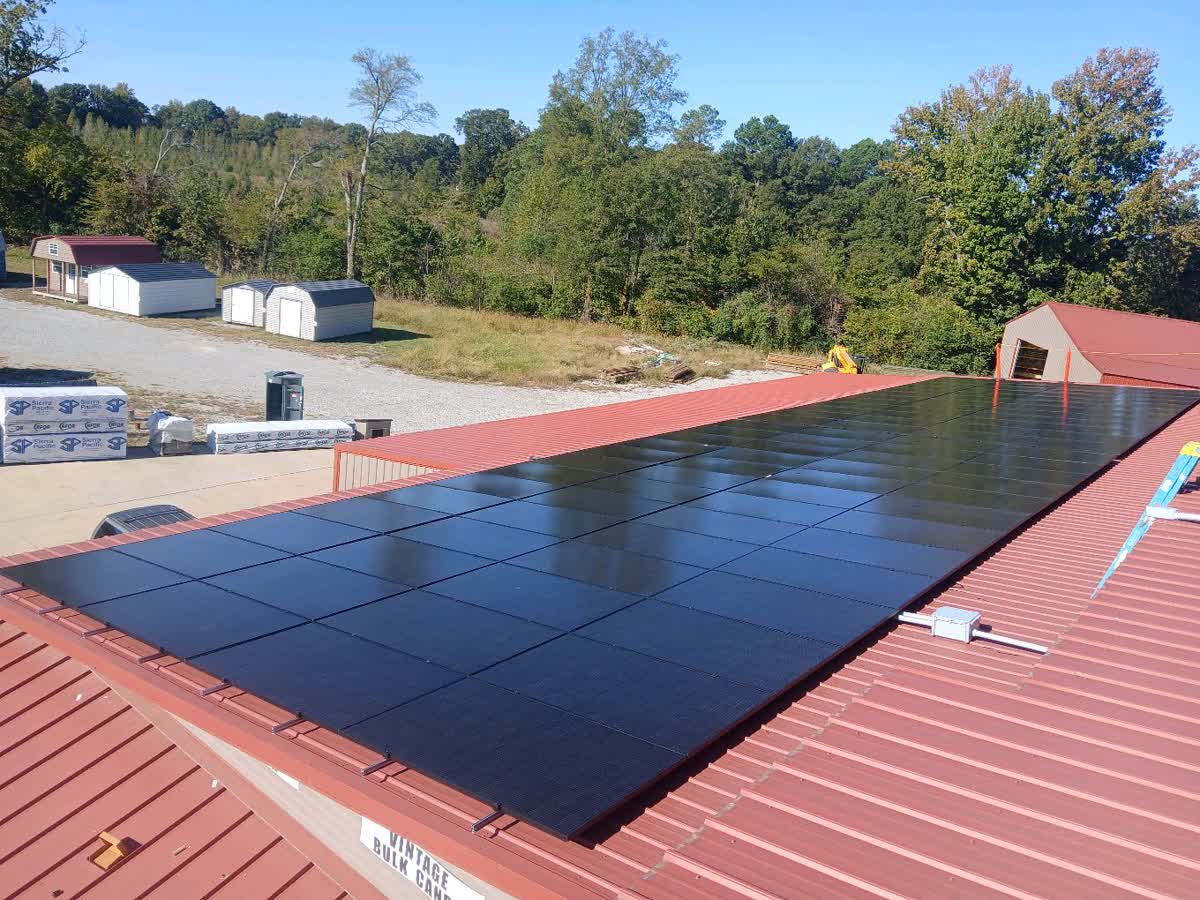
The organization invested in solar energy as part of its commitment to operational resilience and sustainability. With approximately 175 kW DC of existing solar PV at the facility, the next step was to incorporate battery storage to improve energy flexibility and provide backup power.
Location: Petaluma, California, USA
Facility: Petaluma Health Center
Installer: SolarGain
Application: Healthcare Facility — Peak Shaving & Backup Power
Battery System: 4 × Pytes HV48100 SE Cabinets
Battery Configuration: 12S1P per Cabinet
Total Battery Capacity: 245.76 kWh
Hybrid Inverters: 2 × Sol-Ark 60K-3P-480V
Existing Solar PV: Approximately 175 kW DC
System Integration: Existing PV, Automatic Transfer Switch (ATS), and Backup Distribution
Healthcare facilities face a unique energy challenge: managing electricity costs while maintaining reliable power for essential operations.
At Petaluma Health Center, the existing solar PV installation provided an important foundation for renewable energy generation. However, solar production alone does not fully address periods of peak electricity demand or the need for backup electricity during grid interruptions.
The facility needed an energy storage solution capable of supporting three primary objectives:
1. Peak Demand Management
Reduce exposure to peak electricity demand by using stored energy to help manage facility loads.
2. Backup Power Capability
Provide an additional source of power for designated backup loads during utility outages.
3. Integration with Existing Infrastructure
Incorporate battery storage into the existing solar PV and electrical distribution infrastructure without requiring an entirely new energy system. The solution also needed to address safety, permitting, and long-term support considerations associated with commercial energy storage installations.
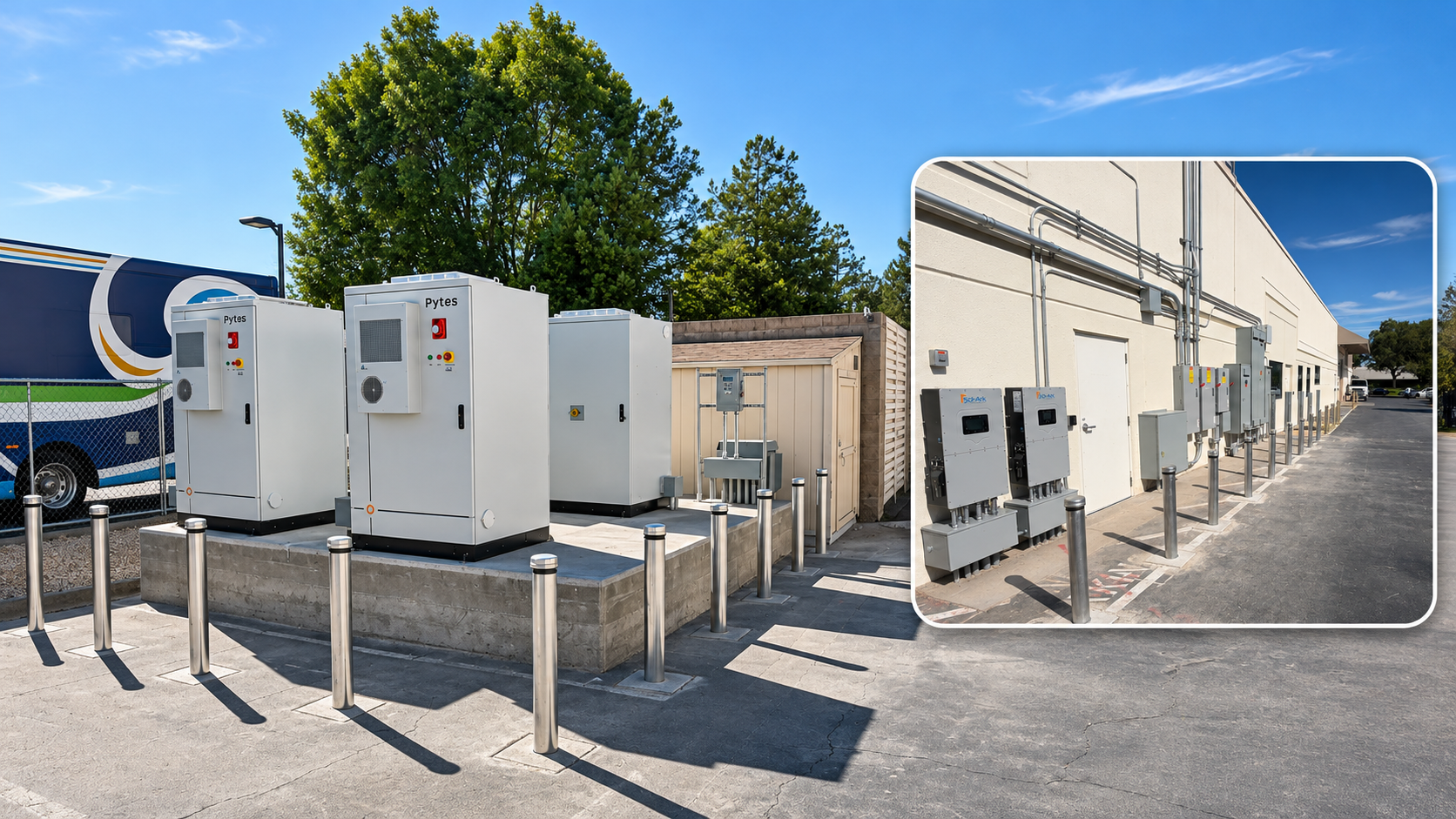
Working with SolarGain, the project incorporates four Pytes HV48100 SE high-voltage battery cabinets, providing a combined nominal energy storage capacity of 245.76 kWh. Each cabinet uses a 12S1P configuration with approximately 61.44 kWh of storage capacity.
The battery system is paired with two Sol-Ark 60K three-phase hybrid inverters and integrated with the facility's existing approximately 175 kW DC solar installation. An Automatic Transfer Switch (ATS) and backup distribution infrastructure are included in the system design to support the facility's backup power strategy.
Together, these components create a solar-plus-storage solution designed to improve energy flexibility while supporting operational resilience.
For a healthcare application, battery safety and project approval requirements are important considerations. According to project team feedback, several factors contributed to the selection of Pytes:
1. Safety-Focused System Design
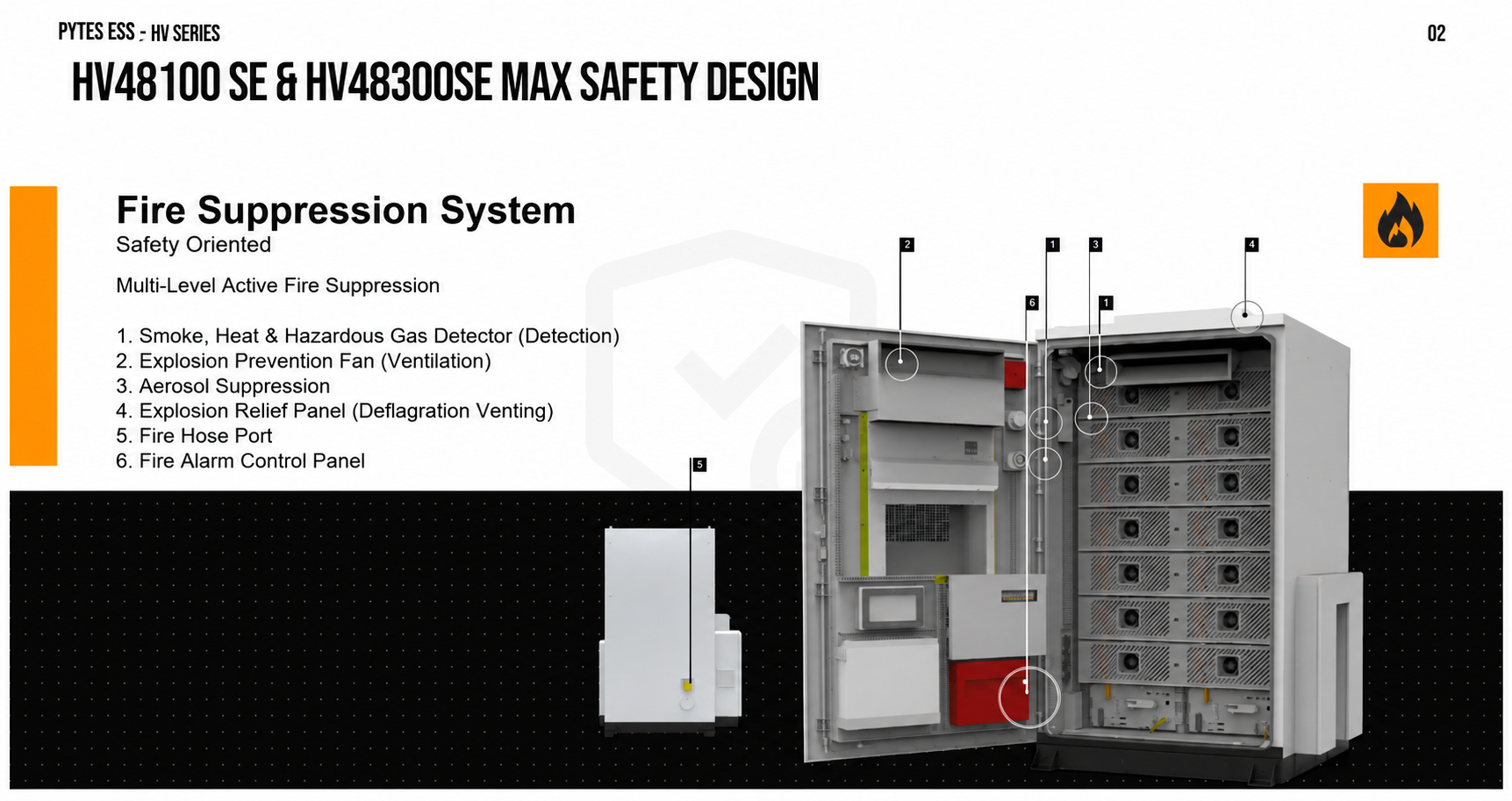
The Pytes HV48100 SE incorporates multiple safety provisions, including aerosol fire suppression, pressure relief and venting features, and battery protection systems. These features were important considerations for a project where fire safety and code-related requirements play a significant role in equipment selection and permitting.
2. Code Compliance and Documentation Support
The project team placed particular emphasis on equipment safety documentation and features relevant to fire code review, including NFPA 68-related considerations.
3. Local Support and Product Availability
Responsive technical support and equipment availability were additional considerations during project planning and implementation.
4. Competitive Value
The combination of safety features, commercial-scale storage capacity, product support, and pricing helped make Pytes a suitable choice for the application.
The installation is designed to support two primary operating functions.
During normal operation, the battery system can store available energy and discharge during periods of higher electricity demand. This provides the facility with additional flexibility to manage its electrical load profile and potentially reduce peak demand charges. Actual cost savings will depend on the facility's electricity tariff, operating schedule, load profile, and final battery dispatch strategy.
When utility power becomes unavailable, the battery system and hybrid inverters are designed to provide power to designated backup loads through the backup distribution system. For a healthcare facility, this capability can help improve preparedness for power interruptions and support continuity of selected operations. Actual backup duration and load coverage will depend on the connected loads, battery state of charge, and final system configuration.
SolarGain has completed the installation of all four Pytes HV48100 SE battery cabinets. Final system testing and commissioning activities have also been completed. The project is currently awaiting the restoration of utility Permission to Operate (PTO) before entering regular operation. Once utility authorization is in place, the system is intended to provide the health center with greater energy management flexibility and an additional layer of backup power capability.
The Petaluma Health Center project demonstrates how commercial battery energy storage can build on an existing solar installation to address both energy cost management and backup power requirements. By combining 245.76 kWh of Pytes HV48100 SE battery storage, Sol-Ark hybrid inverter technology, and existing solar infrastructure, the project provides a practical example of a healthcare-focused energy storage application.
Beyond solar generation, battery storage offers healthcare organizations another tool to manage energy demand, strengthen operational resilience, and prepare for unexpected power interruptions.
Pytes — Power a Better Life.