The energy storage industry is entering a transformative phase. Recently, Google announced a $1 billion investment in a 100-hour iron-air battery energy storage system at its new Minnesota data center, marking what could be the world’s largest battery project with a capacity of 30 GWh. This ambitious project is capturing attention not only for its scale but also for its potential to reduce energy storage costs by over 70% compared to conventional lithium-ion batteries.
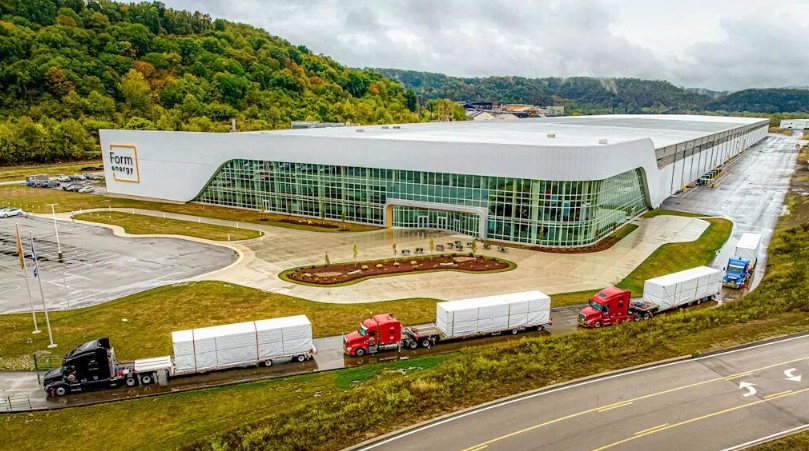
Unlike lithium batteries, iron-air batteries store energy by controlling the "rusting and derusting" cycle of iron. When discharging, iron reacts with oxygen to generate electricity, and during charging, the iron oxide returns to metallic iron. This process allows for ultra-long-duration energy storage—up to 100 hours—making it ideal for scenarios where consistent power supply is critical, such as AI data centers and renewable energy integration.
Although the technology is still in the early stages of industrialization, its cost-effectiveness and potential to provide days-long backup power without emissions are attracting global attention. Analysts predict that future grids will likely adopt multiple battery technologies simultaneously, with lithium batteries handling short-term storage and iron-air batteries providing extended coverage.
Lithium batteries have established a pivotal role in electric vehicles, consumer electronics, and grid frequency regulation due to their high power density, efficiency, and millisecond-level response times. Meanwhile, the iron-air batteries heavily backed by Google precisely address the gap in grid-scale long-duration energy storage with their 100-hour capacity and highly promising low-cost advantage. These technologies are not mutually exclusive but complementary, each excelling in distinct domains: the former handles rapid response and high-frequency regulation, while the latter focuses on energy transfer spanning days or even weeks.
Google's gigawatt-scale investment signals that long-duration energy storage is transitioning from concept to implementation. Yet for households and businesses, the true imperative lies in translating these macro trends into tangible economic benefits and reliable power supply. Achieving this requires both long-duration storage technologies like iron-air batteries to address overnight power provisioning, and lithium-ion battery systems for rapid intraday response and efficient regulation – the former ensuring energy's ‘duration’, the latter guaranteeing power's ‘quality’.
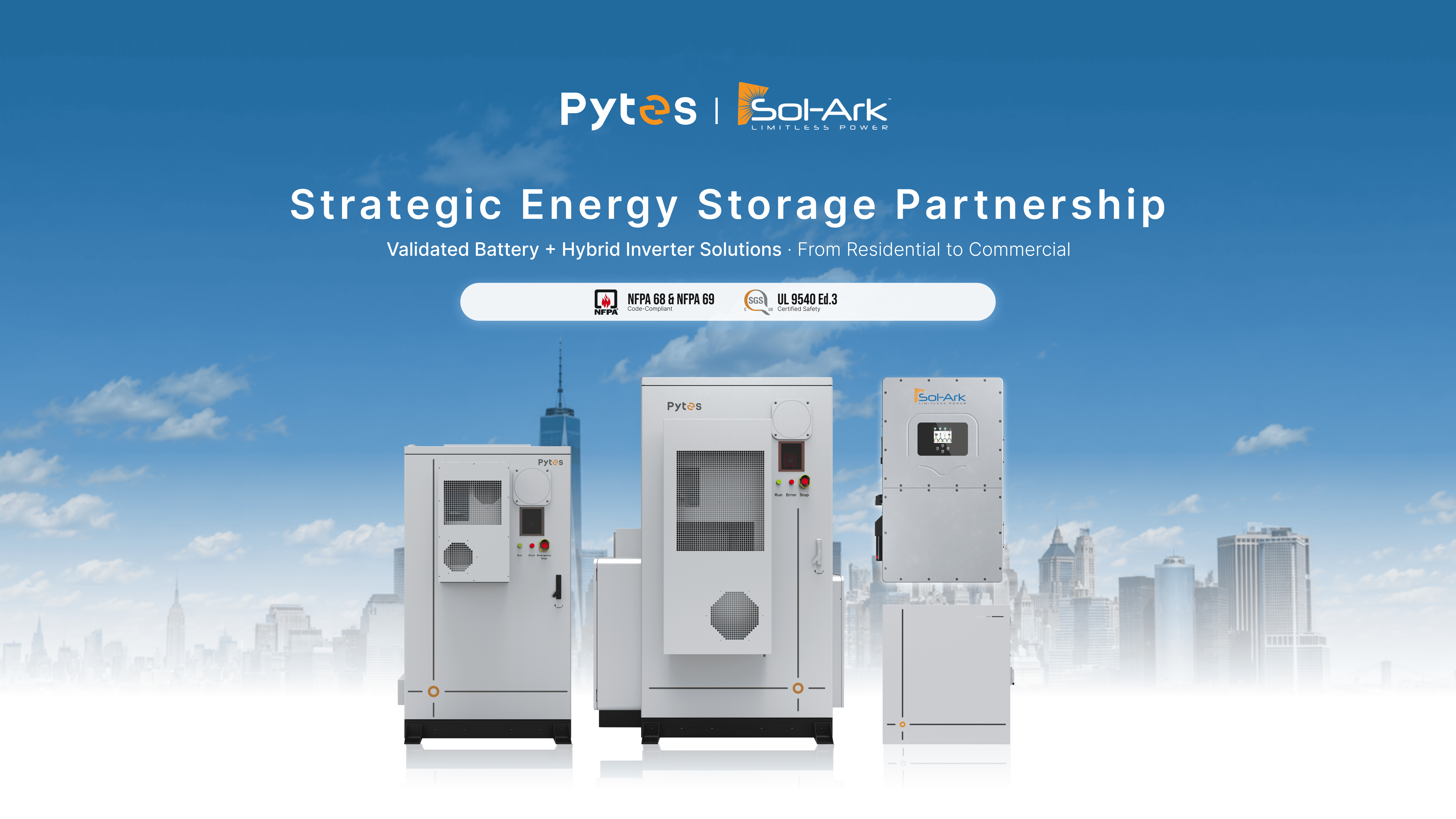
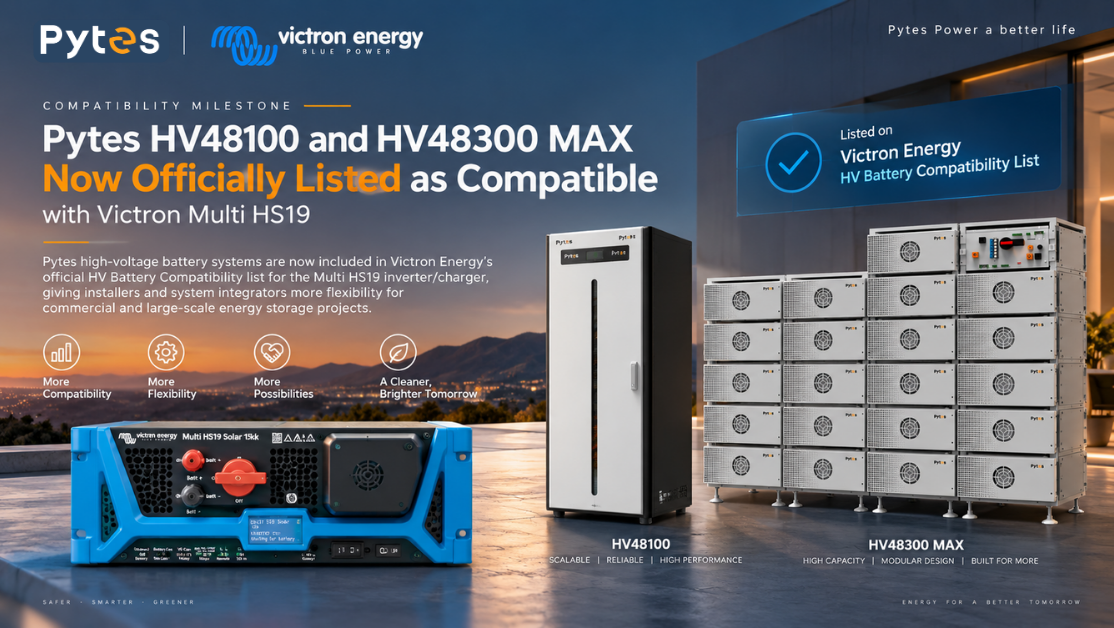
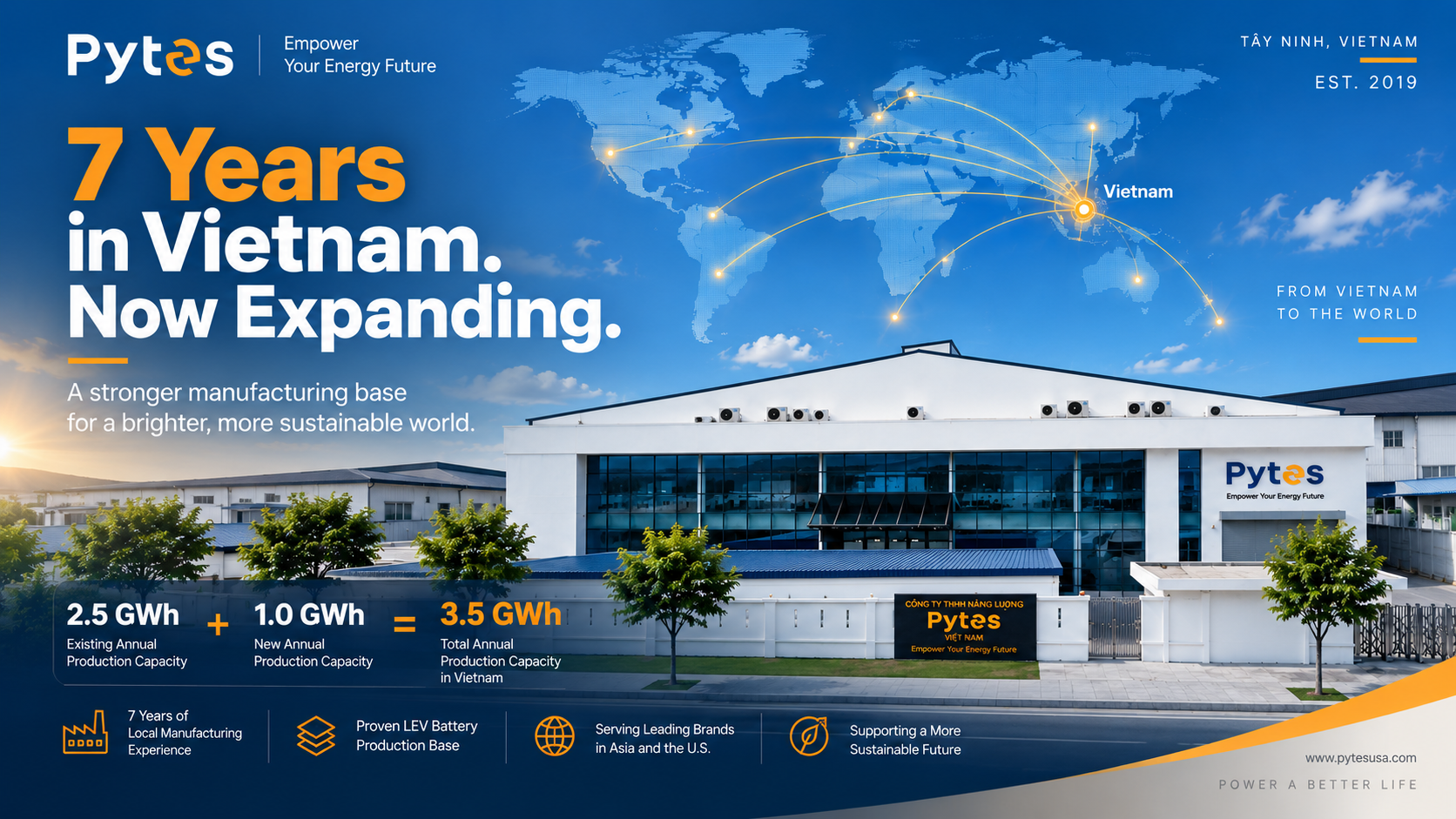
As a specialist brand deeply rooted in the lithium-ion battery storage sector, Pytes stands as a robust force safeguarding the latter. Its high-safety, high-efficiency battery systems deliver stable and reliable power support for households and businesses, ensuring every kilowatt-hour achieves maximum value.Their offerings include:
1. Low-voltage server rack batteries for compact, reliable solutions
2. Stackable modular systems to scale capacity as needed
3. High-voltage (HV) solutions for industrial and large-scale applications
Every product is engineered for seamless installation and optimal user experience, ensuring both efficiency and longevity.
Google’s investment highlights a broader industry trend: the push toward long-duration, cost-effective, and sustainable storage solutions. For businesses and homeowners, this represents an opportunity to adopt advanced storage technologies that ensure reliable power while supporting a greener future.
Pytes Energy stands at the forefront of this movement, providing systems that combine cutting-edge design with practical usability. Whether it’s a modular setup for growing energy needs or a high-capacity solution for commercial applications, Pytes empowers users to participate confidently in the clean energy transition.
The $1 billion iron-air battery project signals a new era for the energy storage sector, emphasizing long-duration and low-cost solutions alongside traditional lithium-ion systems. As the industry evolves, brands like Pytes Energy are enabling both residential and commercial users to take advantage of these innovations, achieving energy independence, sustainability, and resilience in an increasingly energy-conscious world.