The global energy storage market reached a major milestone in 2025, with annual installations surpassing 100 GW for the first time, marking another breakthrough year for clean energy infrastructure. This rapid growth reflects how energy storage is transforming from a support tool for renewable generation into a core pillar of modern electrical systems.
As the industry gears up for 2026 and beyond, analysts at Wood Mackenzie have identified key trends that will define energy storage’s evolution — from shifting supply chains to the rise of new technologies. These changes offer opportunities for manufacturers, project developers, and end users alike to build more resilient, efficient, and sustainable power systems.
The record 100 GW+ storage deployments in 2025 demonstrate the sector’s rapid expansion and growing commercial maturity. Despite policy shifts — like China moving away from mandatory storage co deployment and trade restrictions influencing the U.S. market — demand has remained remarkably strong.
This momentum reflects broader global energy transition goals, as nations increasingly prioritize grid flexibility, renewable integration, and energy security.
China continues to dominate the energy storage supply chain — from raw material processing to battery manufacturing and system integration — but market dynamics are changing. Overcapacity and stricter local content rules in foreign markets have prompted major Chinese suppliers to explore international investment and alternative corporate structures to retain access, especially in the U.S.
This restructuring has dual implications: a more distributed supply base over time, and short term pressure on battery availability and pricing. Stabilization is expected by the second half of 2026, but manufacturers and developers must plan around near term volatility.
Historically considered advanced or optional, grid forming energy storage technologies — which help stabilize voltage and frequency — are predicted to become a regulatory requirement in many jurisdictions. These systems are critical as high renewable penetration increases grid variability and the need for responsive power balancing.
Although they carry a cost premium, the price difference is shrinking as more manufacturers integrate grid forming capability into standard products. This improves reliability for utilities and enhances operational flexibility for system operators.
The complex dynamics of lithium supply and market restrictions are pushing developers and investors to explore alternative storage technologies. Sodium ion, flow batteries, and iron air systems are gaining interest, particularly in regions where long duration storage is needed and lithium supply constraints exist.
These technologies are not expected to displace lithium ion immediately, but they complement the storage palette, especially for deployments requiring extended discharge durations or lower cost profiles.
Energy storage is no longer limited to supporting renewable generation. Emerging applications include data centers, industrial facilities that require reliability and backup power, and commercial and residential systems as distributed energy resources grow. This expansion of use cases broadens the overall market opportunity for storage manufacturers and solution providers.
Market growth is spreading beyond traditional leaders like China, the U.S., and Europe. Investments in Southeast Asia, the Middle East, and Africa are accelerating, driven by grid modernization efforts and renewable build outs.
These emerging regions represent meaningful future demand, especially where grid infrastructure improvements are in high priority.
The trends highlighted by Wood Mackenzie signal that energy storage is no longer a niche add on but a central component of the decarbonized grid of tomorrow. Whether powering utilities, commercial facilities, or homes, storage systems are critical for balancing variable renewable energy, improving reliability, and reducing long term energy costs.
For residential users and businesses aiming for independence and sustainability, selecting the right storage partner has never been more important.
In light of these industry trends, market demands for energy storage systems are constantly evolving. Users require not merely equipment capable of storing electricity, but comprehensive energy solutions that integrate safety, intelligence, scalability and environmental adaptability. From home backup power to commercial and industrial energy storage applications, high-quality energy storage systems are helping users across the board to capitalise on the opportunities presented by the energy transition.
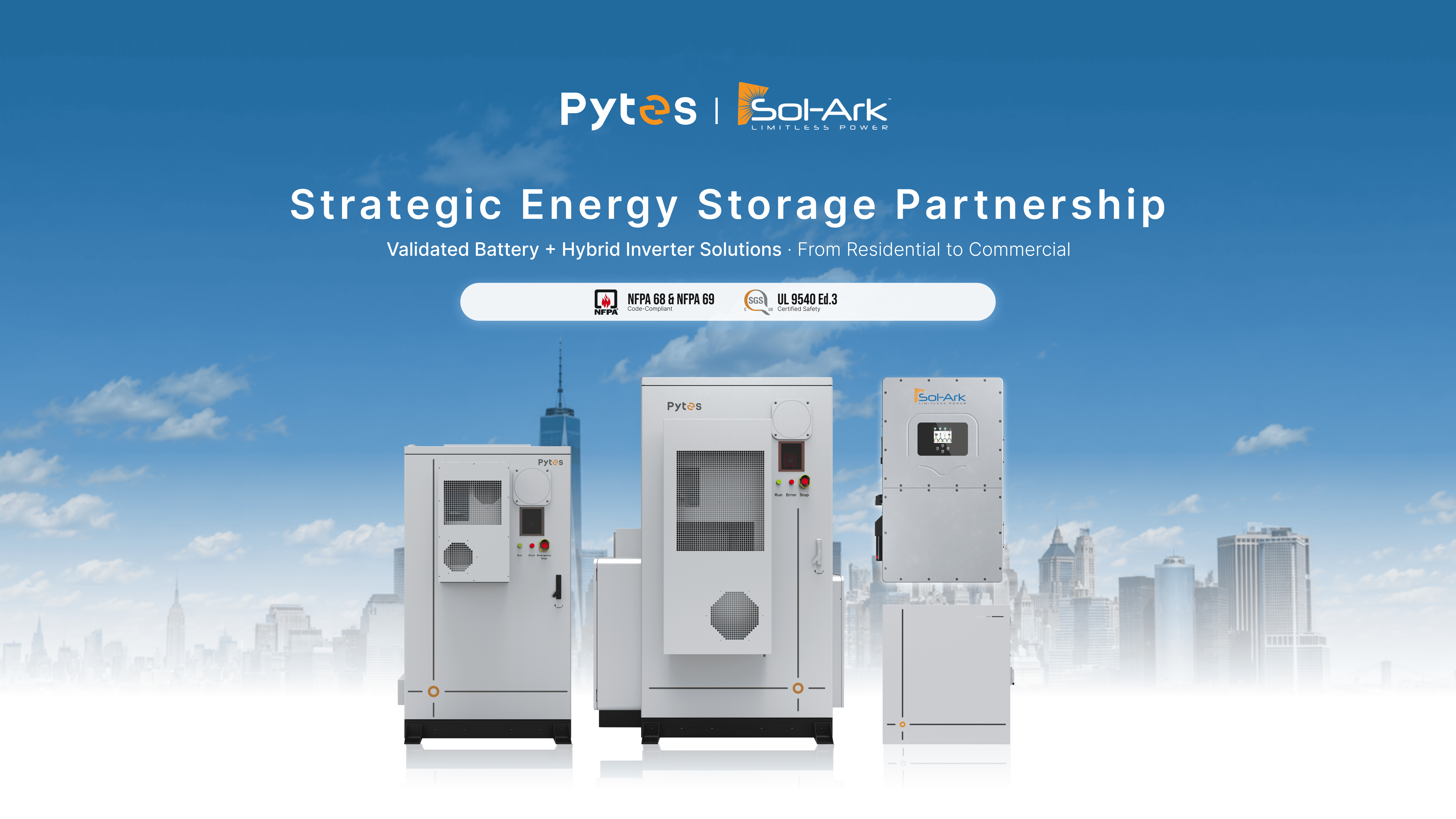
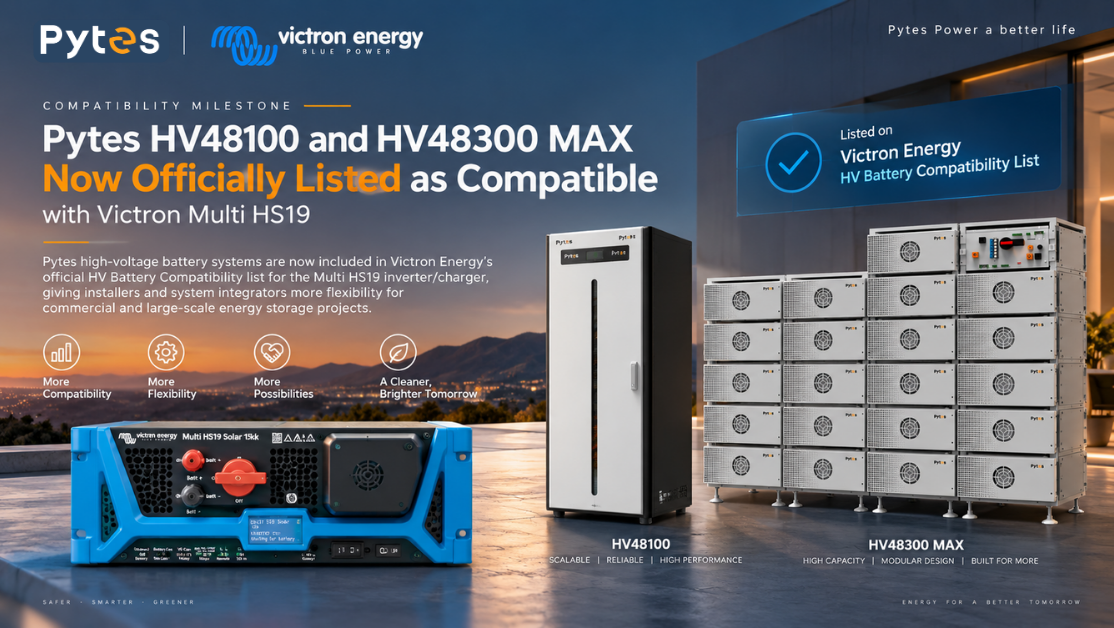
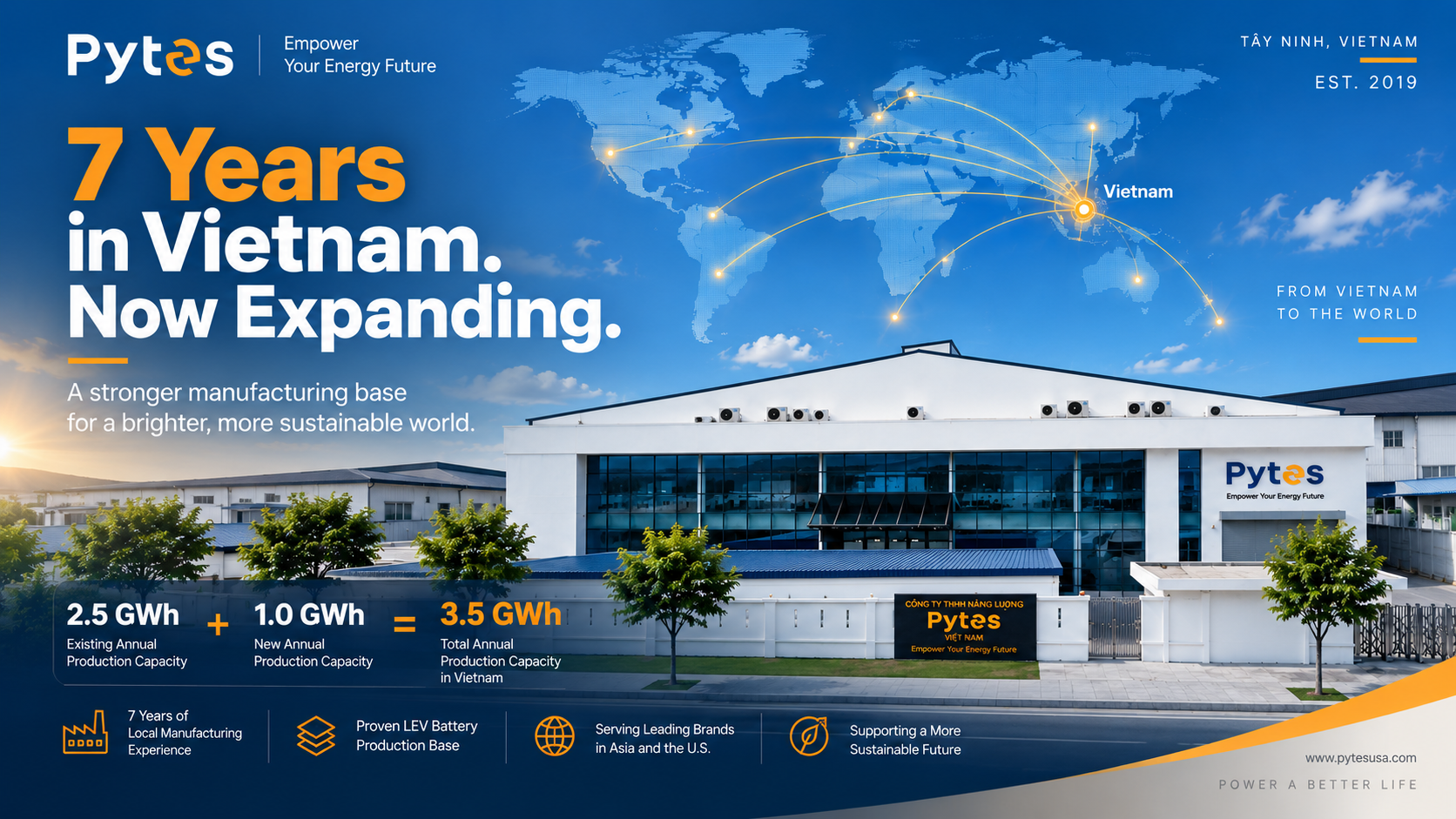
Against this backdrop, Pytes Energy’s product portfolio fully aligns with the energy storage trends for 2026. In response to the growing demand for energy independence among residential users, Pytes has launched a home energy storage system that combines safety, intelligence and aesthetic appeal; to support the expansion of commercial and industrial applications, Pytes’ scalable modular solutions can flexibly adapt to the varying needs of everything from small commercial facilities to large industrial parks; and in terms of regional market diversification, the environmental adaptability and global certification system of Pytes’ products enable it to serve a wide range of customers from Southeast Asia to Europe, and from North America to Africa.
All Pytes products are meticulously designed for easy installation and an exceptional user experience, whilst fully incorporating key elements of future energy storage systems—such as grid-forming functionality, multi-scenario adaptability and long-term reliability—ensuring customers can confidently pursue energy independence and sustainable operations.
The energy storage industry stands at a pivotal moment in 2026. With a diversified supply base, advanced technologies gaining ground, and a widening range of applications, the sector is transitioning toward mature, resilient, and scalable growth.
As global installations continue to climb and new trends emerge, strategic investments in high quality storage technologies — like those offered by Pytes Energy — will be critical for organizations and homeowners alike seeking to harness the full potential of renewable energy.