The global prismatic lithium-ion battery cell market is entering a new stage of high-efficiency growth. Driven by rapid electrification across residential, commercial, industrial, and utility sectors, demand for reliable, long-life, and safety-certified battery solutions has surged. Prismatic cells—known for their high energy density, compact structure, and stable performance—have become a preferred choice for energy storage systems (ESS), telecom backup, microgrids, and mobility applications.
Yet as the market expands, customers are becoming more selective. They are not simply looking for battery cells; they’re looking for fully engineered energy solutions that combine safety, performance, scalability, durability, and dependable service. This is exactly where Pytes has built its long-standing competitive advantage.
Several global trends continue to accelerate the adoption of prismatic lithium-ion batteries:
As electricity prices fluctuate and grid instability becomes more frequent, residential and commercial users are turning to ESS systems paired with solar power. Prismatic cells' high volumetric efficiency makes them ideal for compact home battery systems, delivering more usable energy in smaller footprints.
Solar and wind systems require battery storage to stabilize supply and increase utilization. Prismatic cells offer consistent cycle life and high charge/discharge efficiency, making them suitable for daily cycling in renewable-based microgrids.
With ESS systems increasingly installed indoors, compliance with UL, IEC, and NFPA standards has become a key purchasing factor. Prismatic cells with robust safety structures—thicker shells, multi-layer separators, and stable LFP chemistry—are gaining prominence due to their favorable safety profile.
Market demand has moved toward systems that are easier to expand, easier to install, and capable of supporting higher-power applications. Prismatic cell formats are well aligned with this trend and are widely used in stackable and high-voltage battery modules.
These macro factors create the perfect environment for manufacturers that can deliver reliability, certification compliance, and adaptable system architecture—areas where Pytes continues to excel.
With more than 20 years of industry experience, Pytes Energy has positioned itself as a trusted player in the energy storage sector. While many companies simply produce battery cells, Pytes differentiates itself through complete system-level engineering and a deep understanding of how prismatic cells perform in real-world ESS applications.
Below are the core strengths that differentiate Pytes in today’s competitive market.
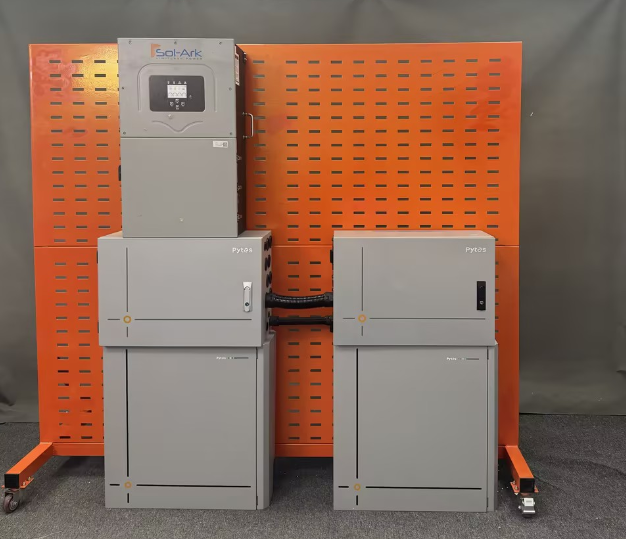
Pytes’ ESS platforms, including both rack-mounted and stackable systems, are engineered around rigorous safety requirements. UL9540 certification ensures the entire system—from internal cells to control electronics—meets the highest standards for safe installation and operational reliability.
This aligns perfectly with market demand: customers want not only high-capacity batteries but also validated, code-compliant systems that grant peace of mind for residential and commercial installations.
The global shift toward modularity and scalability is addressed through the Pytes portfolio:
Low-voltage server rack batteries for residential ESS and small commercial systems.
Stackable modular systems designed for tool-less installation and rapid expansion.
High-voltage battery solutions for larger commercial and industrial applications requiring higher power and broader system integration.
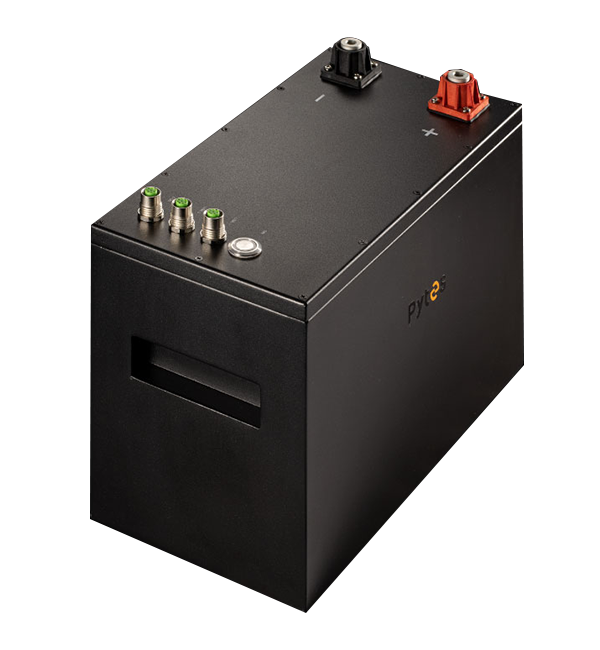
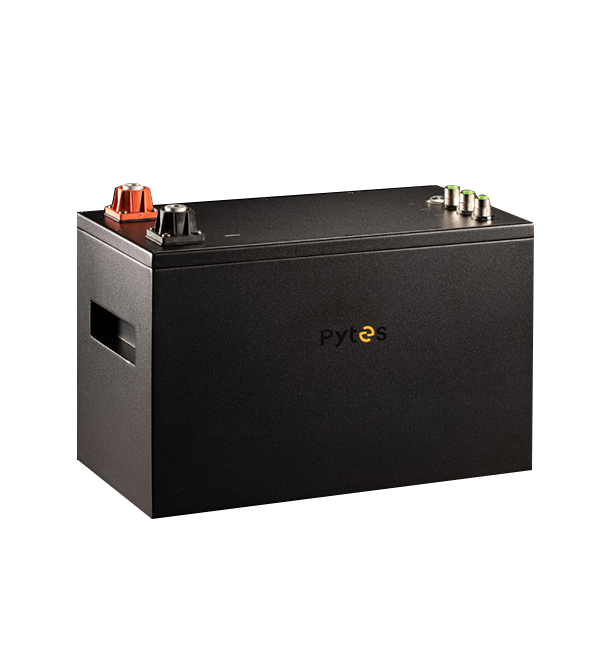
All of these solutions are built using prismatic lithium-ion cells optimized for long cycle life, thermal stability, and high usable capacity.
Energy storage is not only about chemistry—it is about system behavior, temperature management, firmware optimization, and structural reliability. Pytes’ long-term R&D expertise ensures:
Precision-engineered BMS architecture
Stable performance even in fluctuating environmental conditions
Superior cell balancing for extended life span
Real-time protection to prevent over-current, over-voltage, and thermal incidents
This engineering depth positions Pytes as a long-term player rather than a temporary market entrant.
Serving customers across more than 60 countries, Pytes has established a service and logistics network designed to reduce delivery times, simplify support, and ensure consistent availability. In a market where installation timelines are tight, local responsiveness becomes a significant competitive advantage.
The prismatic cell market evolves quickly. Pytes maintains steady investment in R&D, product optimization, and structural upgrades to ensure each generation of battery systems is more intuitive, efficient, and reliable.
Customer feedback drives real enhancements—from housing design to firmware refinement—resulting in products that integrate seamlessly into the installer workflow while delivering an improved experience for end users.
Market forecasts show continued growth in prismatic lithium-ion battery demand, especially as more countries adopt policies supporting renewable energy storage and grid modernization.
Key opportunities ahead include:
Increasing adoption of PV + battery residential systems
Commercial facilities seeking backup and demand-charge management
EV-to-grid and distributed energy resources (DER) expansion
Microgrids supporting rural electrification and industrial resilience
As the prismatic lithium-ion battery cell market grows in scale and complexity, customers need a partner that can deliver validated safety, proven durability, flexible system architecture, and dependable service. Pytes brings all these elements together.
Through UL9540-certified systems, robust LV/HV product lines, decades of engineering expertise, and ongoing innovation, Pytes empowers homes and businesses to embrace energy independence confidently and sustainably.
Power a better life with Pytes.