The North American battery energy storage market is entering a more mature phase in 2026. The focus is no longer limited to adding more battery capacity. Instead, developers and system providers are looking more closely at grid-forming capability, fire safety, system-level energy density, domestic manufacturing, battery analytics, and the ability of an energy storage system to deliver predictable performance over a 20-year asset life.
A recent analysis published by Energy-Storage.News identifies seven trends reshaping the battery energy storage system (BESS) industry, from grid-forming inverters and installation-level fire testing to larger LFP cells, containerized architectures, domestic supply chains, and independent battery analytics.
For companies operating across residential, commercial, and utility-scale storage, these changes are also redefining what customers should expect from battery products.
Modern BESS architecture is becoming increasingly integrated. A utility-scale system typically includes the DC battery block, bidirectional power conversion system, medium-voltage transformer, block controller, and energy management system. Performance therefore depends on how these layers work together rather than on battery capacity alone.
One of the clearest changes is the growing importance of grid-forming technology. ERCOT's Advanced Grid Support requirements mean storage projects signing standard interconnection agreements from April 1, 2026 are required to provide grid-forming capabilities. The trend is closely connected with the rapid growth of data centers, where behind-the-meter generation and storage can help address the need for faster access to reliable power.
This development changes the role of batteries. A storage system is increasingly expected to do more than charge and discharge electricity. It may need to support voltage and frequency, interact with multiple power sources, and contribute to system restoration through black-start functionality.
Safety is becoming an increasingly important differentiator in BESS deployment.
The 2026 edition of NFPA 855 places greater emphasis on installation-level fire testing, with Large-Scale Fire Testing used alongside UL 9540A to demonstrate that a thermal event in one ESS unit does not propagate to adjacent units.
This has practical consequences for system design. Battery chemistry, enclosure construction, thermal management, spacing, fire detection, and suppression strategy must be considered as part of the complete installation.
For manufacturers, safety certification can no longer be treated simply as a final documentation exercise. It increasingly needs to influence product architecture from the beginning.
This is also where Pytes continues to place emphasis on system reliability and application-oriented product development. Pytes Energy has become a trusted brand in the energy storage industry, developing solutions around the specific requirements of residential and commercial energy storage rather than treating the battery as an isolated component.
Another major trend identified by Energy-Storage.News is the continued shift toward outdoor containerized BESS architecture. Installation-level fire requirements make standardized outdoor systems attractive because they can simplify permitting, deployment, thermal management, and system integration.
This trend also highlights an important distinction between large utility-scale BESS and distributed storage.
Utility-scale projects may prioritize containerized battery blocks, high energy density, grid-forming inverters, and site-level controls. Residential and commercial systems require a different balance between footprint, installation flexibility, modularity, safety, and user accessibility.
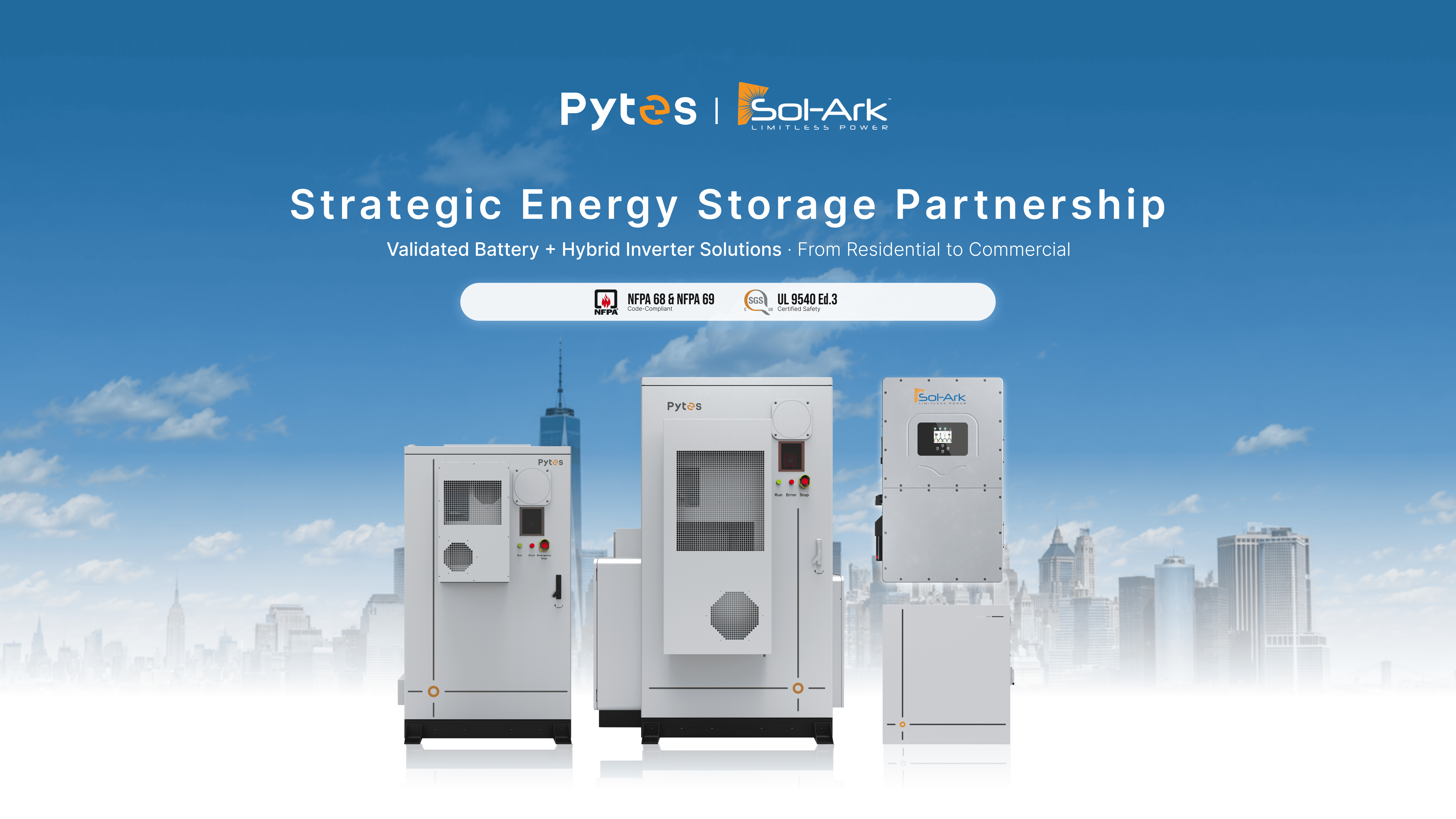
Pytes addresses these different scenarios through a product portfolio that includes low-voltage server rack batteries, stackable modular systems, and high-voltage solutions. The objective is to provide configurations that can be integrated into different energy storage architectures while keeping installation and system expansion practical.
Battery cell development is also moving quickly. According to the Energy-Storage.News analysis, the industry has progressed from approximately 280Ah LFP cells toward 314Ah and is increasingly looking at 500Ah-class cells as an important balance between energy density, cost, and container logistics.
But the more important metric is increasingly site-level energy density, rather than cell capacity alone.
For example, two systems may offer the same total MWh capacity, but the system occupying less land can reduce costs associated with civil works, cabling, transformers, installation, and site development.
This is an important consideration for commercial and utility-scale projects where available space directly affects project economics.
At the distributed-storage level, modularity provides another approach. Pytes' stackable and rack-based solutions allow storage capacity to be configured according to the application rather than forcing every project into one fixed battery format.
LFP chemistry is becoming increasingly important for stationary energy storage. Its combination of safety characteristics, durability, and suitability for long-duration cycling makes it well suited to BESS applications.
The trend is also being reinforced by the development of domestic US battery manufacturing and evolving Foreign Entity of Concern requirements. Energy-Storage.News notes that US manufacturers are repurposing some EV battery production capacity for prismatic LFP cells designed specifically for stationary storage.
Recent industry activity confirms this shift. LG Energy Solution said five of its eight North American factories are expected to produce ESS batteries by the end of 2026, with stationary battery demand in North America expected to reach 125 GWh by 2031 according to Benchmark Mineral Intelligence.
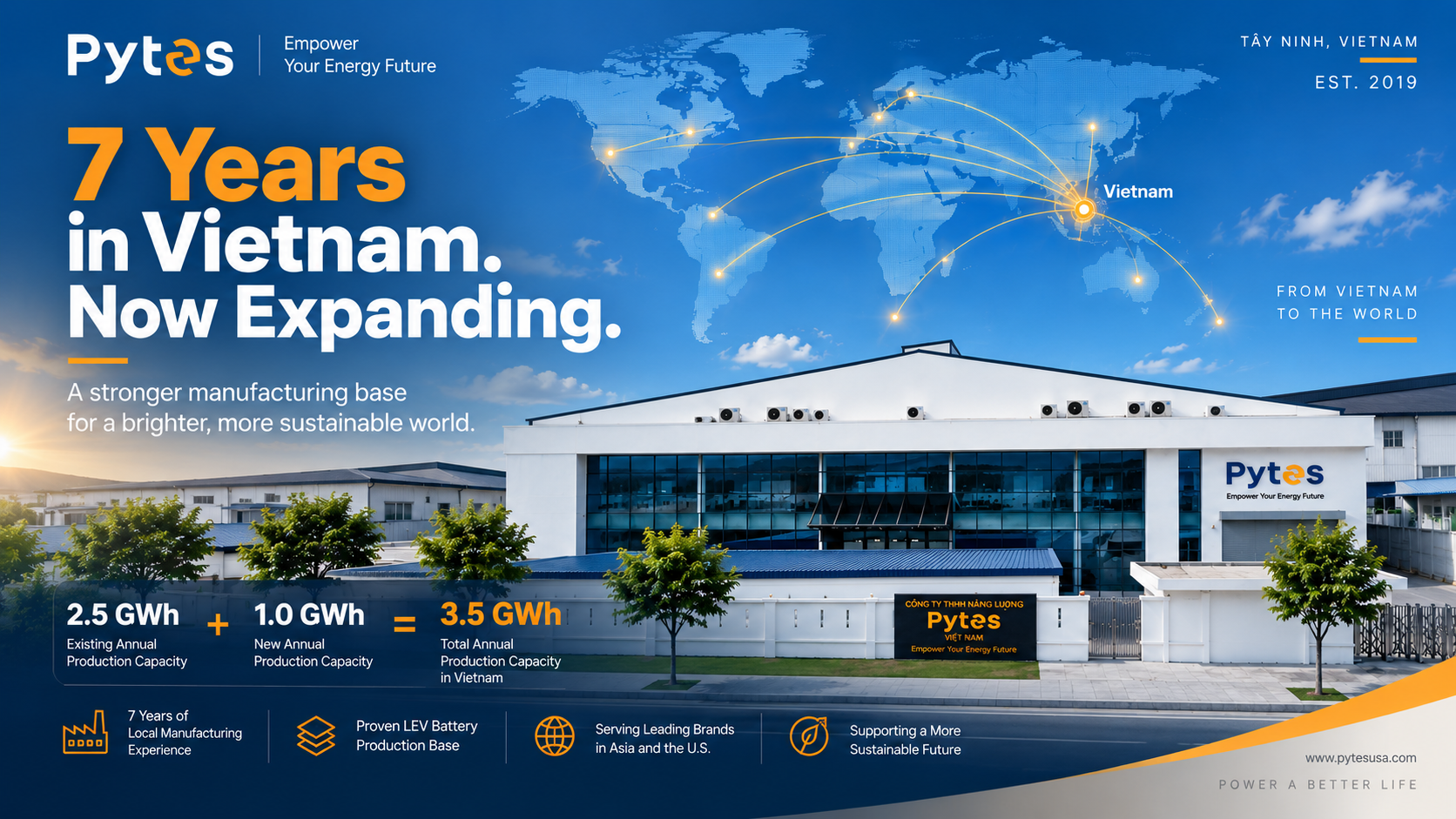
The broader implication is clear: future energy storage procurement will increasingly involve not only battery specifications but also supply-chain structure, manufacturing location, compliance requirements, and long-term availability.
Another less visible but important trend is the increasing role of battery analytics.
Battery management systems already monitor operating conditions, but independent analytics platforms are increasingly being used to evaluate state of health, identify cell-level imbalance, and determine whether a battery is delivering its expected usable capacity.
This matters because nameplate capacity does not always equal effective capacity throughout a project's life. Cell imbalance, degradation, operating temperature, and charging behavior can all affect actual performance.
For a BESS expected to operate for 15–20 years, reliable operational data can become an important part of financing, insurance, maintenance, and asset valuation. Energy-Storage.News highlights the movement toward third-party analytics being incorporated into the underwriting and long-term management of storage assets.
The biggest change in 2026 is that battery storage is becoming a system engineering discipline rather than a battery purchasing exercise.
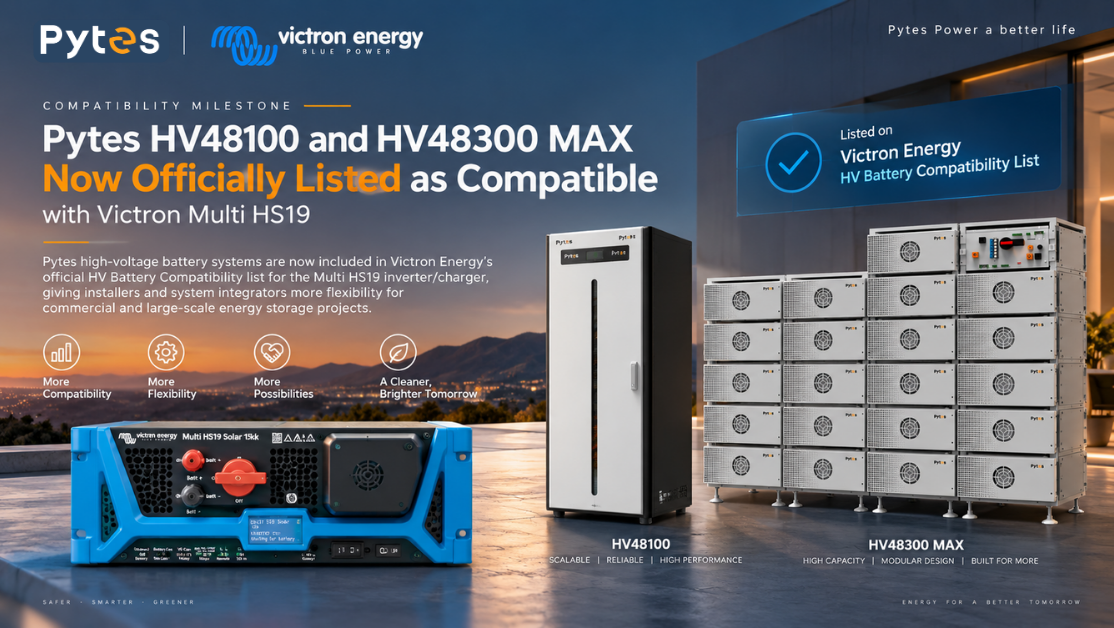
A reliable solution needs to consider battery chemistry, usable energy, cycle performance, thermal management, inverter compatibility, communication protocols, safety certification, installation environment, expansion capability, and long-term service requirements.
This philosophy is reflected in Pytes' approach to energy storage. Pytes Energy has developed a portfolio covering low-voltage server rack batteries, stackable modular systems, and high-voltage solutions, with products designed around practical installation and system integration requirements.
The company's focus is not simply on providing additional battery capacity. Its solutions are designed to help homes and businesses pursue greater energy independence while supporting flexible deployment and a more streamlined user experience.
The seven trends identified by Energy-Storage.News point toward the same conclusion: the energy storage industry is becoming more technically mature. Grid-forming capability is becoming more important, installation-level fire testing is raising the safety threshold, containerized systems are becoming standard, larger LFP cells are increasing system density, domestic manufacturing is expanding, and battery analytics are improving long-term asset visibility.
For the market, this means that the best energy storage solution will not necessarily be the system with the largest battery capacity or the lowest initial price. Long-term value will increasingly depend on how effectively the battery, inverter, controls, safety architecture, monitoring system, and installation design work together.
As these requirements continue to evolve, Pytes is positioned to support different storage scenarios with a portfolio spanning low-voltage, modular, and high-voltage solutions—helping customers build energy storage systems that are easier to deploy, expand, and operate over the long term.