The US home energy storage market didn't move in a straight line through 2025. It was, as Lunar Energy's Ed Gunn described, a “turbulent year” that still reinforced the fundamentals: batteries sit at the intersection of lower bills, reliability, and customer control, and that combination keeps demand moving even when the policy or market environment feels uncertain.
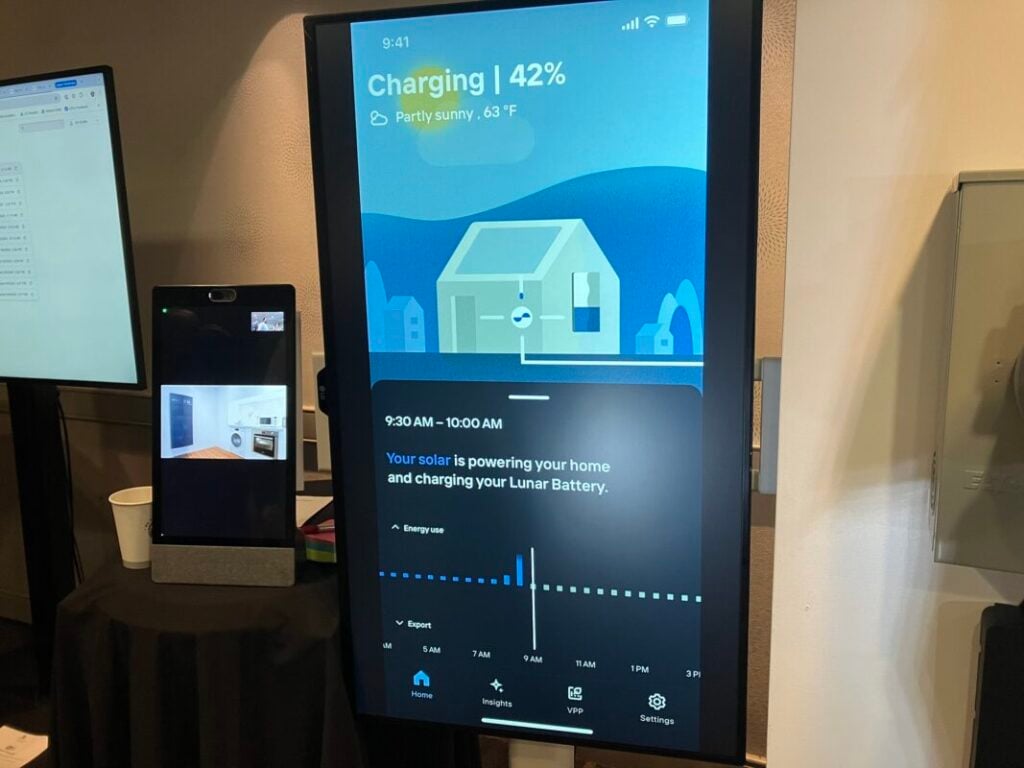
But what changed is how the value is being delivered. The industry is shifting away from a hardware-only conversation (capacity, backup hours) toward an “operate-ability” conversation: monitoring, optimisation, financing models, and participation in virtual power plants (VPPs). The next phase is about turning complexity—dynamic rates, evolving market rules, and localised utility programs—into real, measurable savings and reliability for homeowners.
For brands like PYTES, that shift is an opportunity: battery platforms that are built for remote visibility, scalable system design, and real-world performance become better positioned to win installer trust and homeowner adoption.
Looking ahead, Gunn argues that 2026 brings a more complex grid environment: more dynamic rates, more evolving rules, and a more competitive, localised market. That sounds like a challenge, but it’s also the exact reason residential storage keeps gaining relevance. When energy prices and programs become harder to manage, customers want solutions that make the system feel simpler.
The key is that “smart devices and intelligent software” can turn that complexity into value—if they’re delivered in a way normal homeowners can trust and use. In this area, PYTES is committed to turning complex technology into a user-friendly experience, simplifying operations through its continuously upgraded software and platform capabilities.
VPPs are no longer just a technical concept for grid nerds. They’re becoming a mainstream explanation for why batteries can deliver value beyond backup power—especially as energy rates climb.
But mainstream adoption depends on three questions homeowners actually care about:
Does VPP participation save or make me money?
Is it easy to join without being an energy expert?
Do I trust the operator to act in my best interest?
Those are product design requirements, not marketing slogans. If VPP participation feels confusing, intrusive, or unreliable, homeowners will opt out—even if the technical benefits are real.
One of the most important points in the Lunar Energy interview is that the biggest evolution is happening at the software layer. Gunn frames the next wave of growth as being driven by smarter AI, smarter rates, and smarter devices working together—enabling DERs to respond in real time to price signals and grid conditions.
That’s a major shift in product strategy:
Hardware must be compatible, stable, and controllable
Monitoring must be accurate enough to support automation decisions
Systems must be designed to be aggregated and dispatched reliably
Customer experience must stay simple, even as the backend gets sophisticated
In other words: the battery becomes a platform.
PYTES positions itself around homeowners, installers, and dealers with a structured ecosystem—products, support, training, warranty resources, and partner programs—built to help systems get deployed and maintained in the field.
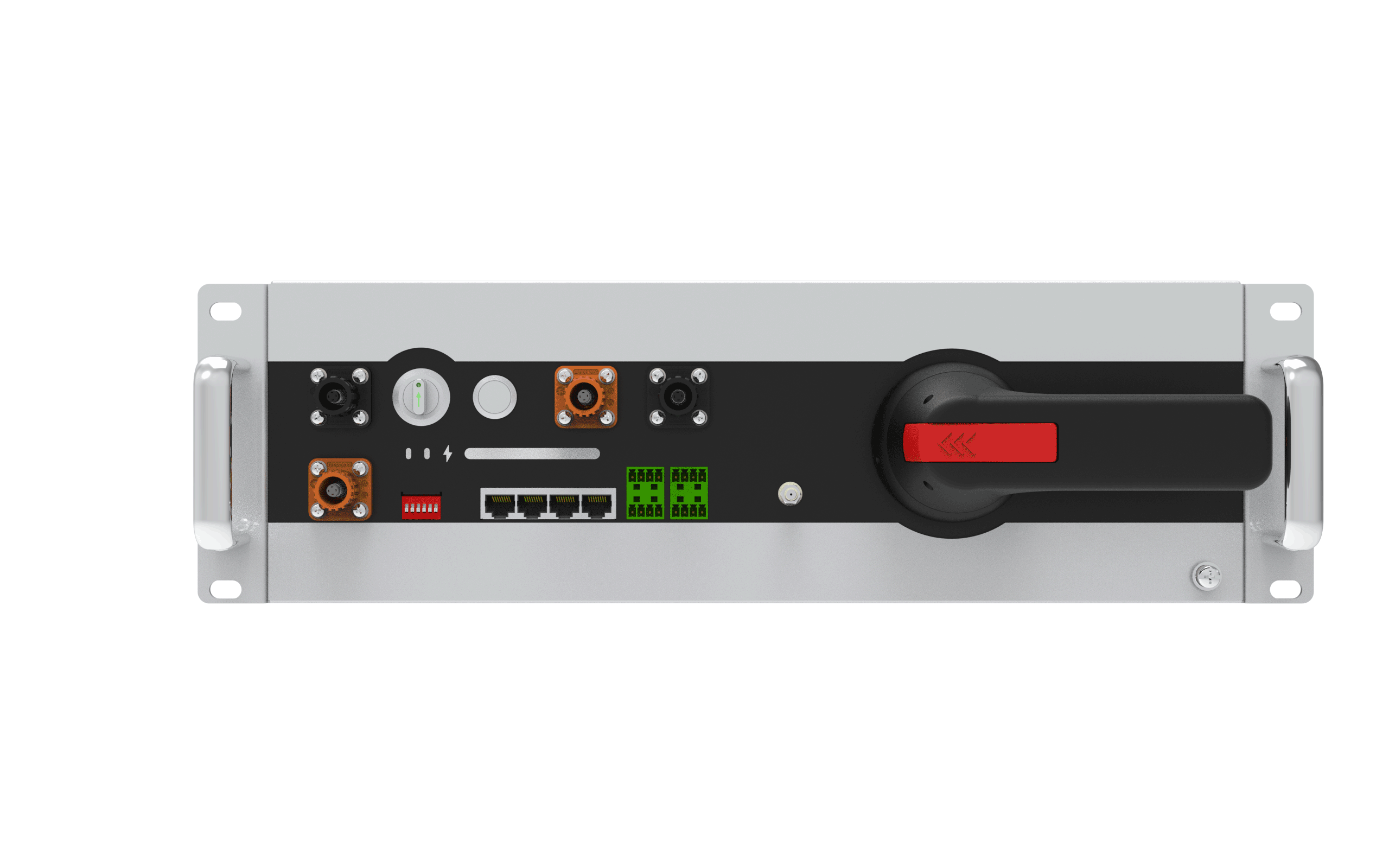
A concrete example is the PYTES V-Series V5° approach: it highlights remote monitoring and upgrading and greater scalability as core design directions—exactly the “operate-ability” features the market is leaning toward.
From PYTES’ V5° page, the platform emphasis is clear: remote monitoring/upgrade capability, scalability options, and system configuration resources (including documentation and compatibility materials).
That matters for VPP readiness and general customer success because:
Remote monitoring reduces truck rolls and shortens troubleshooting cycles
Remote upgrades support long-term stability and evolving compatibility needs
Scalability supports electrification growth (EVs, heat pumps, load expansion)
Documentation and training reduce installer risk and improve consistent outcomes
This also aligns with Gunn’s view that the industry priority should be simple: save customers money with the smartest product and help installers cut costs and reduce risk with stable, reliable solutions.
The Lunar Energy interview also points to rapid growth in third-party ownership (TPO) finance options and warns that while choice is good, installers must choose finance partners carefully because “there will be a graveyard of failed TPOs.”
That’s a major signal for manufacturers and brands:
Installer confidence is now tied to product stability + serviceability + finance reliability
Brands that reduce installer risk (support, documentation, predictable supply, fewer surprises) will be chosen more often
“Easy-to-operate” batteries are not just for homeowners—they’re an installer business advantage
In light of this, PYTES is strengthening its "Installer-Friendly" strategy by providing comprehensive technical support, clear documentation, and a reliable supply chain, aiming to become a lower-risk and more trusted partner in the eyes of installers.
Putting it all together, the strongest residential storage brands will likely be the ones that can deliver these outcomes simultaneously:
Savings: rate optimisation, self-consumption, and VPP earnings potential (where available)
Reliability: predictable backup performance and stable system behaviour
Ease: monitoring, support, and user experience that doesn’t require expertise
Trust: transparent control, clear customer benefit, and responsible aggregation practices
Scalability: systems that grow with household electrification trends
That’s why the industry conversation is moving from “battery specs” to “battery outcomes.” And it’s why platforms that are designed to be monitored, updated, and scaled—supported by installer programs and field resources—are increasingly aligned with where the US market is heading.
PYTES clearly recognizes this trend and is actively positioning itself to gain a competitive edge in the future through its product roadmap focused on “operability” and platformization, such as the V5°, supported by a robust ecosystem.