2025 has been a landmark year for the UK’s energy transition. According to Cornwall Insight, a record number of renewable energy projects were approved this year, almost doubling planning approvals from 2024. The total energy capacity of new battery, wind, and solar projects reached 45GW, up 96% year-on-year, marking a significant milestone in the UK’s clean energy ambitions.
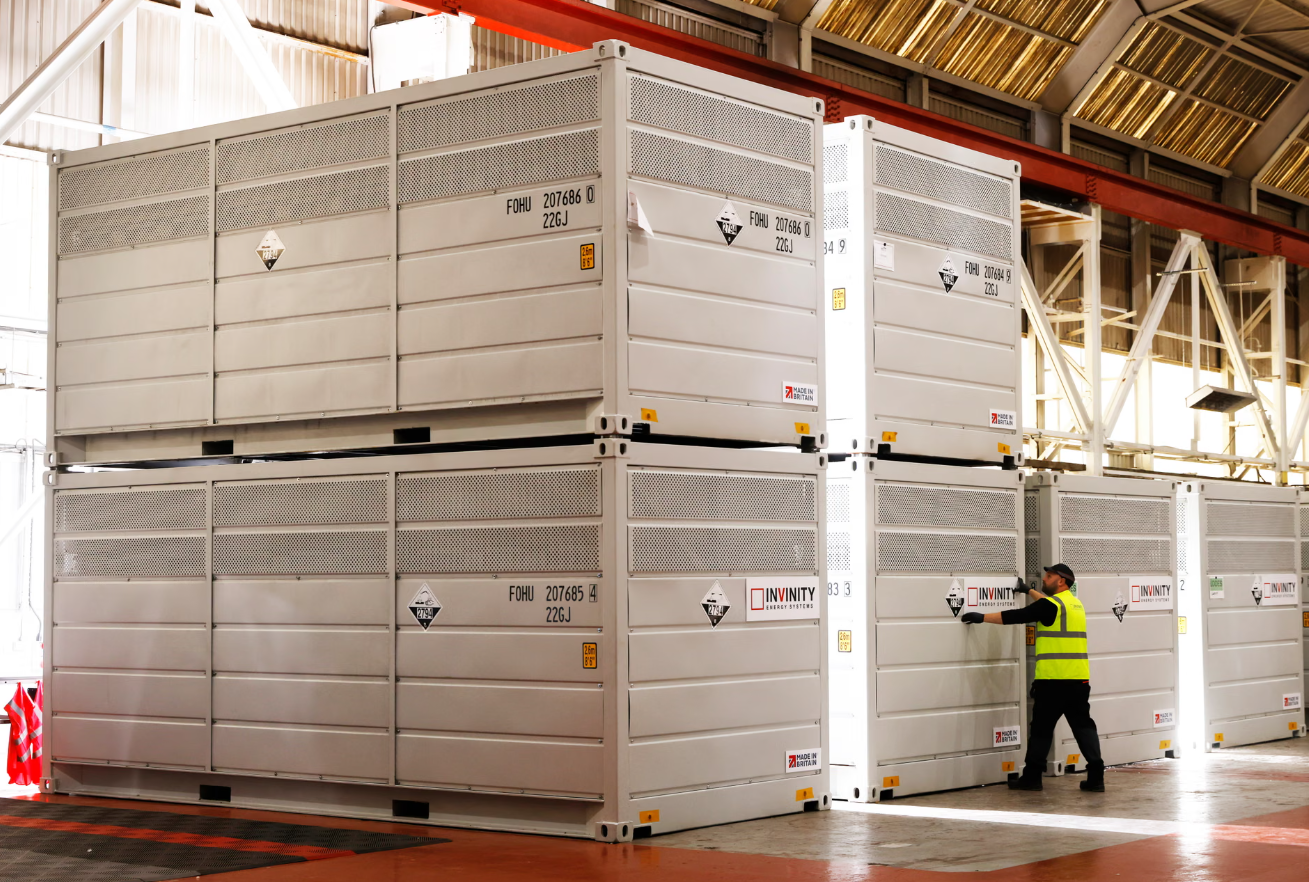
The surge was primarily driven by battery storage projects, which nearly doubled from 14.9GW in 2024 to 28.6GW in 2025, while offshore wind approvals increased more than sevenfold, reaching 9.9GW. Over the past five years, planning approvals for battery, wind, and solar power have collectively risen by over 400%, signaling strong momentum toward a low-carbon future.
UK Energy Secretary Ed Miliband emphasized that these approvals reflect the government’s commitment to clean, homegrown power:
“Every project we approve, every investment we make is about getting the country off the rollercoaster of fossil fuel markets, protecting households, and lowering bills for good.”
The rapid expansion of battery storage projects is particularly noteworthy. As the share of intermittent renewable energy like wind and solar increases, energy storage becomes a critical enabler to balance supply, manage grid stability, and ensure reliable power delivery.
Despite record approvals, many projects face operational delays. Robin Clarke, senior analyst at Cornwall Insight, points out:
“On paper, the UK’s renewables pipeline has never looked stronger. But approvals don’t generate electricity. Grid bottlenecks remain one of the biggest risks to turning today’s approvals into tomorrow’s power.”
Key challenges include:
1) Long construction timelines for wind, solar, and battery projects
2) Grid connection delays due to legacy infrastructure and “first come, first served” queue systems
3) Infrastructure limitations, as existing transmission and distribution networks were not designed for large volumes of intermittent renewable generation
Recent reforms, such as removing “zombie projects” and introducing a “first ready, first needed, first connected” policy, aim to accelerate the deployment of high-priority projects and clear the queue. However, ongoing investment in grid flexibility, smart technologies, and transmission upgrades will remain essential.
The UK data clearly demonstrates that battery storage is no longer optional—it is essential. Storage projects are critical to:
1) Absorb excess energy from wind and solar
2) Smooth supply and demand fluctuations
3) Reduce curtailment of renewable generation
4) Provide reliable backup for homes and businesses
This is where advanced energy storage solutions, like Pytes V10α, play a pivotal role.
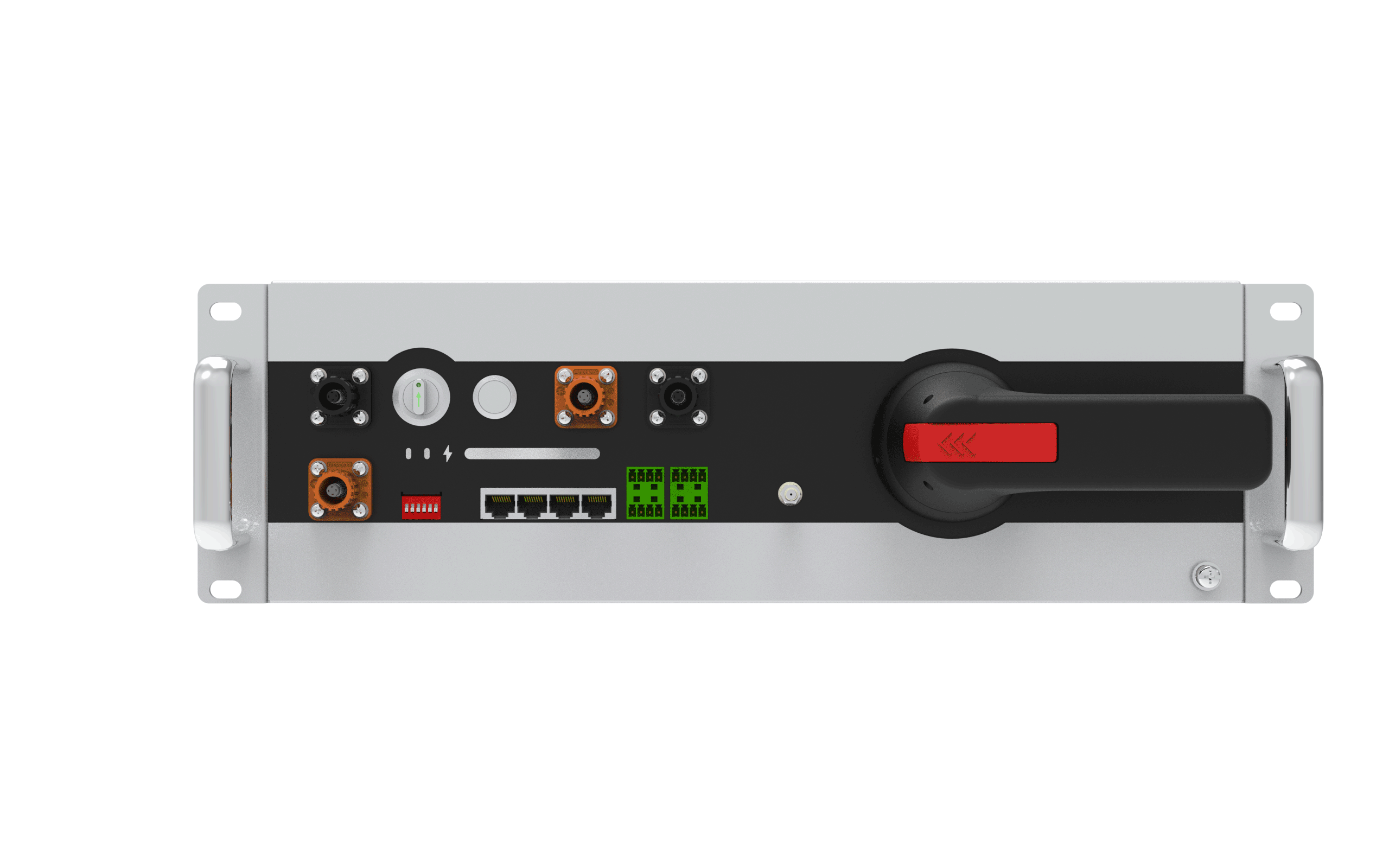
Pytes Energy offers cutting-edge home and commercial energy storage systems designed for reliability, safety, and outdoor deployment. The V10α battery is a wall-mounted, 51.2V LFP system with 9.98kWh capacity, ideal for supporting distributed renewable projects in the UK. Key features include:
1) Enhanced Safety: Tier 1 automotive-grade 230Ah cells, built-in aerosol fire suppression, and mature BMS protection
2) Reliable Outdoor Performance: IP66-rated enclosure, C4-M corrosion resistance, and self-heating for low-temperature operation
3) Flexibility & Scalability: Wall- or floor-mounted installation, seamless integration with mainstream inverters, and expandable up to 16 units (160kWh)
4) Remote Monitoring & Smart Energy Management: Real-time insights into energy usage and system performance
By combining cutting-edge battery technology with renewable energy systems, Pytes V10α enables homeowners, businesses, and microgrids to maximize the use of clean energy, enhance grid stability, and achieve long-term energy savings.
While UK approvals have reached record levels, the next challenge lies in turning ambitious plans into operational projects. With the integration of advanced storage technologies like Pytes V10α, developers and end-users can bridge the gap between intermittent renewable generation and reliable electricity delivery.
In essence, battery storage is the backbone of the UK’s renewable energy expansion, and smart, scalable solutions will define how effectively these record-breaking approvals translate into clean, dependable power.
The UK’s 2025 renewable energy approvals underscore the country’s commitment to a low-carbon, sustainable energy future. Battery storage is at the heart of this transformation, providing the flexibility, reliability, and intelligence needed to manage intermittent renewable generation.
Companies like Pytes Energy are enabling this shift, offering high-performance storage systems that ensure energy is safe, reliable, and always available—whether for homes, businesses, or community-scale projects.
As the UK moves toward its 2030 near-zero-carbon power goals, embracing advanced energy storage solutions will be key to turning approvals into real, usable power.