As the world accelerates toward cleaner and more resilient power systems, Battery Energy Storage Systems (BESS) have become one of the most critical technologies enabling the global energy transition. From stabilizing renewable-heavy grids to providing reliable backup for homes and businesses, BESS is no longer an emerging niche—it is now a core pillar of modern power infrastructure.
Amid the market’s rapid expansion in recent years, innovative brands like Pytes are stepping up to meet global demand with high-performance, high-safety products, becoming key players that bridge emerging market trends with real user value.
This article offers a comprehensive look at the current market landscape, regional dynamics, emerging technologies, and what lies ahead for the energy industry.
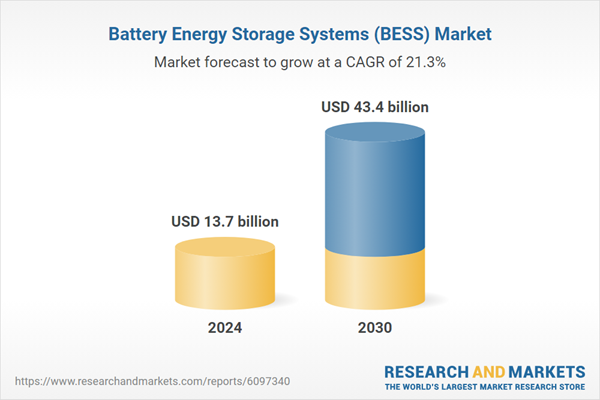
The global BESS market is expected to surge from USD 13.7 billion in 2024 to over USD 43 billion by 2030, reflecting a CAGR exceeding 20%. Some industry forecasts suggest even more aggressive growth, predicting market value surpassing USD 100 billion by 2030.
This rapid expansion is driven by:
1. Global clean energy transition
2. Falling battery costs
3. Large-scale solar and wind deployment
4. Increasing electricity demand in developing regions
5. Grid modernization and resilience initiatives
With renewable energy becoming mainstream, storage is evolving from “optional” to indispensable.
The Asia-Pacific region remains the world’s strongest BESS growth engine, accounting for more than 40% of global market share.
Key drivers include:
1. Ambitious national renewable energy targets
2. Fast-growing urban power demand
3. Heavy investment in grid-scale storage
4. Strong manufacturing base for battery technology
Countries like China, India, South Korea, and Australia are leading the charge, deploying both residential systems and gigawatt-scale grid projects at record pace.This has opened a wide arena for brands like Pytes that specialize in high-performance energy storage solutions, with their products now serving a broad range of applications across the region—from residential systems to commercial and industrial deployments.
Although lithium-ion batteries dominate the market with over 60% share, the industry is entering a phase of technological diversification.
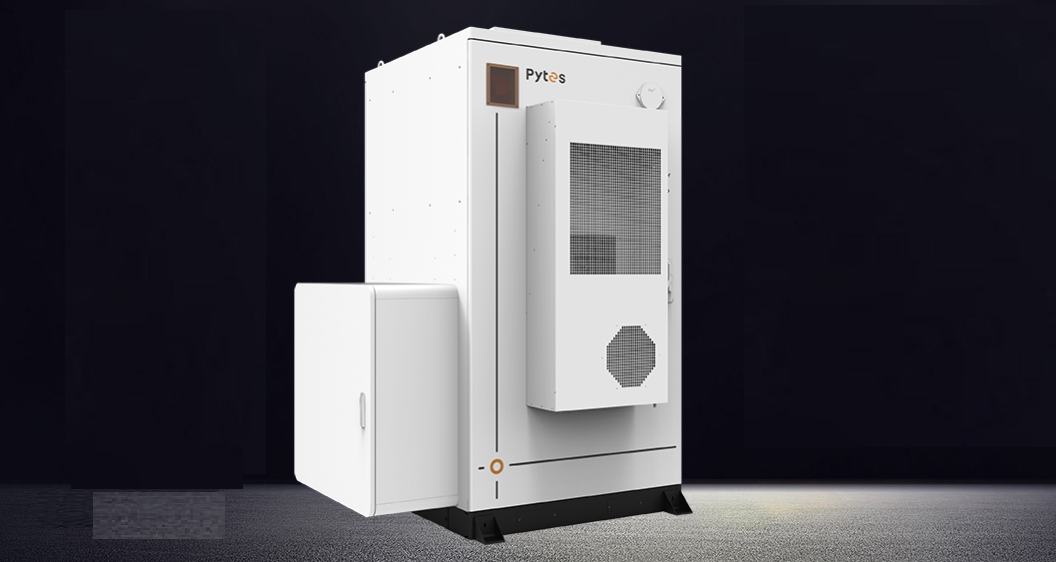
1. LFP (Lithium Iron Phosphate) — high safety, long cycle life, stable performance.For example, the Pytes V16 energy storage system is built with top-tier automotive-grade LFP cells and enhanced with integrated aerosol fire suppression and an intelligent Battery Management System (BMS). These features elevate the inherent safety advantages of LFP to an entirely new level—directly addressing the market’s growing demand for truly “worry-free” energy storage.
2. NMC (Nickel Manganese Cobalt) — higher energy density, suitable for space-limited applications
1. Flow batteries — long-duration storage
2. Sodium-ion batteries — more cost-efficient and resource-flexible
3. Next-gen chemistries improving safety and temperature resilience
At the same time, system-level innovations—such as more advanced BMS, thermal management, AI-driven monitoring, and high-efficiency PCS—are becoming core competitive advantages for manufacturers.
BESS solutions today serve a diverse set of markets:
1. Solar + storage systems
2. Emergency backup power
3. Peak-shaving and energy cost optimization
1. Renewable energy integration
2. Frequency & voltage regulation
3. Load shifting and capacity reinforcement
1. Industrial sites
2. Islands and off-grid villages
3. Critical infrastructure
These environments place extremely high demands on equipment durability and environmental resilience. To meet these requirements, Pytes solutions such as the V16 are built with IP66-rated protection, C4-M corrosion resistance, and a wide operating temperature range, further supported by an integrated self-heating function. Together, these features enable the system to deliver stable, reliable power in harsh locations—from coastal telecom stations to high-altitude outposts.
Multiple trends are converging to push global BESS adoption to new heights:
1. Solar and wind penetration is rising, requiring flexible storage
2. Battery prices keep falling, making storage more accessible
3. Governments are strengthening decarbonization policies
4. Grid operators need more balancing and stability resources
5. Consumers demand resilience amid extreme weather and blackouts
6. AI + IoT systems are improving safety, lifetime, and manageability
As a result, the economics and reliability of BESS are improving at a pace faster than most other power technologies.
Despite the strong growth outlook, the BESS industry also faces several challenges:
1. Raw material price fluctuations
2. Regulatory fragmentation across markets
3. The need for standardized safety and fire protection guidelines
4. Supply chain capacity constraints
5. End-of-life recycling and circular economy requirements
In addition, new chemistries may reshape the competitive landscape, requiring manufacturers to adapt quickly.
The global expansion of BESS is more than a market trend—it represents a foundational shift in how the world generates, stores, and uses electricity. As storage becomes deeply integrated into homes, businesses, microgrids, and utility infrastructures, BESS will play a defining role in enabling a reliable and fully renewable energy ecosystem.
For energy companies, manufacturers, developers, and technology providers, the next decade will be filled with tremendous opportunity. For technology-driven brands like Pytes—where safety and value are central—this moment represents not only a market opportunity, but also a responsibility and mission to help build a more efficient, resilient, and sustainable energy future. On the path toward a fully renewable energy ecosystem, reliable storage solutions will be an essential cornerstone, and it is innovation and real-world execution that continue to move us forward.