As Mexico accelerates its energy transition, Battery Energy Storage Systems (BESS) are rapidly emerging as a cornerstone of the country’s power strategy. Once considered a niche technology, battery storage is now gaining strong momentum as both the federal government and private sector move to deploy several gigawatts of capacity in the coming years. In this process, leading energy storage technology providers such as Pytes are actively expanding their presence in the Mexican market with safe, efficient, and scalable solutions—injecting critical momentum into the country’s energy transition.This shift reflects a broader recognition that storage is essential for grid stability, renewable integration, and long-term energy security.
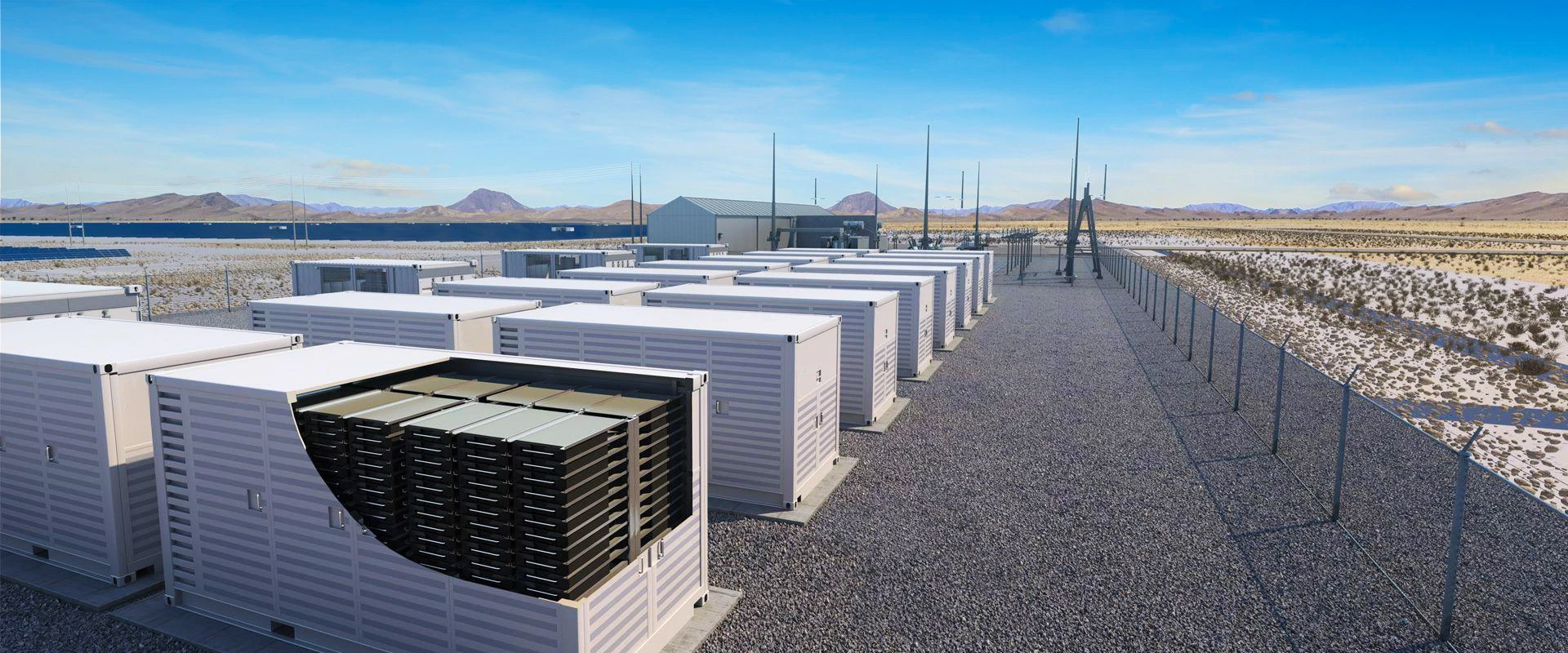
BESS provides critical flexibility to Mexico’s power system by allowing electricity to be stored and discharged when it is most needed. This capability delivers three major benefits. First, battery storage enhances grid resilience by supplying power during outages, congestion, or curtailment events. Second, it helps reduce electricity costs by enabling energy generated during off-peak hours to be used during periods of high demand and higher prices. Third, BESS expands energy access in remote or underserved regions through microgrids that can operate independently of the national grid.
These advantages are especially important for renewable energy. Solar power, one of Mexico’s fastest-growing energy sources, is inherently intermittent. By pairing solar projects with advanced battery solutions—such as those offered by Pytes—developers can store surplus daytime generation and release it at night, ensuring stable output and maximizing project value.
Mexico’s federal government has made battery storage a central pillar of its national energy planning. Under the Strengthening and Expansion Plan for the National Electric System, the state utility CFE aims to deploy 2,216MW of BESS capacity by 2030, representing an estimated investment of US$2.3 billion. Additionally, six new photovoltaic plants scheduled to come online between 2027 and 2028 will all include battery storage covering roughly 30–35% of their output.This creates clear market opportunities for technology providers, including Pytes.
Regulatory direction is becoming clearer as well. According to Mexico’s Deputy Minister of Energy Planning and Transition, all new intermittent renewable energy plants will be required to include batteries equivalent to 30% of installed capacity, with at least three hours of storage. These policies create a strong foundation for companies like Pytes, whose modular and scalable battery systems are well suited for utility-scale solar-plus-storage projects.
Industry leaders agree that BESS has reached a turning point. Since 2023, battery storage has become more bankable and financially attractive, supported by improving regulations and declining technology costs. As grid stress increases due to rising demand and aging infrastructure, storage is increasingly viewed as a strategic asset rather than an optional add-on.
Pytes exemplifies this shift by focusing on reliable, high-performance battery solutions designed for both grid-scale and distributed energy applications. By emphasizing safety, efficiency, and long service life, Pytes supports project developers and utilities seeking dependable storage assets that can operate under demanding conditions.
Despite the optimism, experts caution that battery storage is not a standalone solution. Mexico’s transmission and distribution networks remain a major bottleneck, requiring significant investment and reinforcement. BESS can alleviate some pressure by smoothing demand and supporting local generation, but it must be deployed alongside upgrades in grid infrastructure and new power generation capacity.
This is where integrated energy planning becomes critical. When battery storage is deployed strategically—coordinated with renewables, grid upgrades, and digital energy management—it can unlock far greater value. Flexible storage platforms like those developed by Pytes can be adapted to different system needs, from grid support to microgrids and behind-the-meter applications.
Global trends underscore the urgency of getting battery storage right. The 2021 Texas power crisis highlighted the risks of insufficient grid resilience and overreliance on single energy sources. For Mexico, the lesson is clear: building solar capacity without adequate storage limits reliability and economic benefits.
With the right regulatory framework and proven battery technologies, Mexico has the opportunity to stay ahead of these challenges. Well-designed BESS deployments can enhance resilience, support renewable growth, and reduce exposure to fuel price volatility.
Globally, BESS deployment is accelerating at an unprecedented pace. Installed capacity reached 272GW in 2023 and could exceed 1,000GW by 2030 under current energy transition policies. While China and the United States currently dominate the market, countries across Latin America are beginning to scale rapidly, positioning Mexico to become a regional leader in energy storage adoption.
As this global expansion continues, manufacturers like Pytes play an increasingly important role by delivering safe, scalable, and cost-effective battery solutions that meet international standards while adapting to local market needs.
Battery storage represents more than a technical upgrade for Mexico—it is a strategic opportunity to build a more resilient, efficient, and sustainable energy system. By integrating BESS into renewable projects from the outset and pairing storage with broader grid investments, Mexico can unlock long-term economic and environmental benefits. With supportive policy momentum and proven technology providers such as Pytes, battery energy storage is set to become a defining force in Mexico’s energy transition.