In the summer of 2024, a homeowner in rural Tennessee reached out while living off-grid in an RV on newly purchased farmland. Two homes were already under construction, with plans for additional homes in the future.
Connecting to the local utility would have required extending power lines more than 4,000 feet to the nearest road—an option quoted at approximately $160,000 and complicated by unfavorable solar buyback policies. Rather than investing in costly infrastructure with limited long-term benefit, the homeowner chose a different path: a fully off-grid, expandable microgrid designed to grow alongside the property.
To support this vision, a dedicated 20 × 30 ft “power shed” was constructed to house all energy equipment and serve as the central hub for current and future expansion.
After relocating from Colorado, the homeowner purchased a large farm in rural Tennessee and began developing multiple residences on the property.
Key challenges included:
i) The nearest utility connection was 4,000 feet away
ii) Utility grid extension costs were quoted at ~$160,000
iii) Local utilities do not offer meaningful solar buyback
iiii)Future plans included additional homes within 500 ft of a central energy hub
Rather than invest in long-distance grid infrastructure with limited return, the homeowner chose to build a private off-grid microgrid designed to scale over time.
The installer designed the system as a phased, modular off-grid microgrid, allowing capacity to grow alongside the homeowner's needs.
Phase 1 (RV Power):
i) 1 × Sol-Ark 15K inverter
ii) 6 × Pytes V5 batteries
Phase 2 (First Home + Partial Second Home):
i)4 × Sol-Ark 15K inverters
ii)24 × Pytes V5 batteries
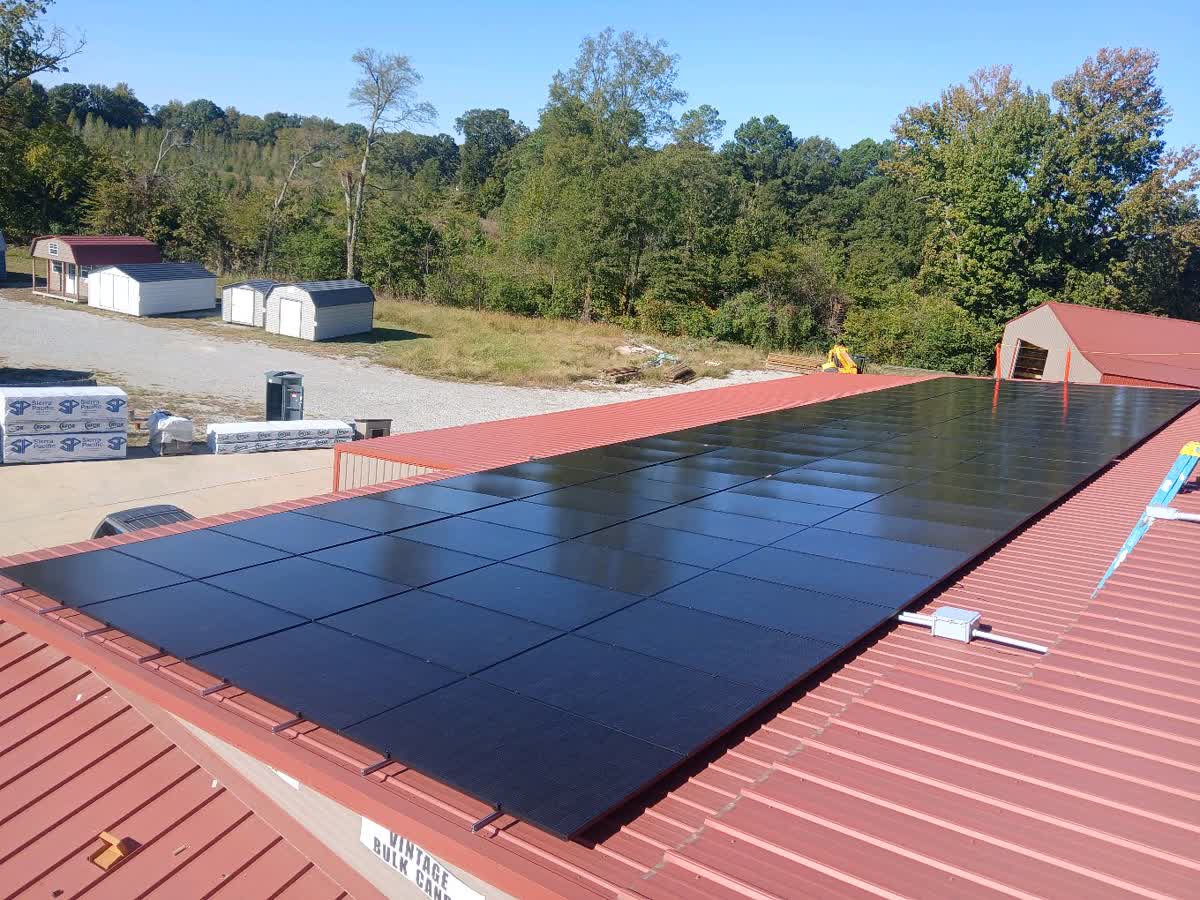
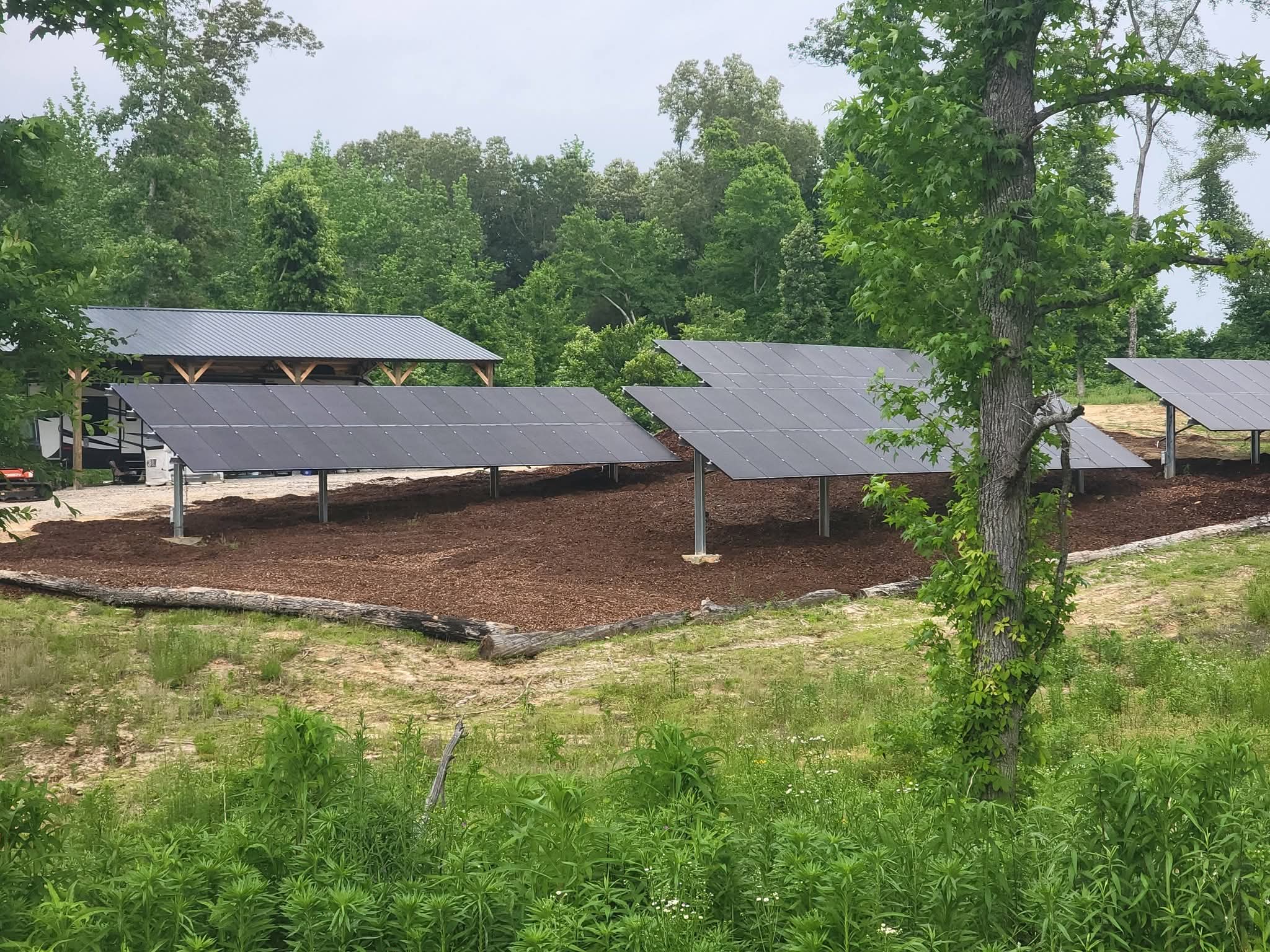
iii)Solar expanded to 112 × 395W Mission Solar panels
iiii)Installed on four Sinclair SkyRack adjustable tilt mounts
Phase 3 (2025 Expansion):
i) +24 additional Pytes V5 batteries
ii)Solar expansion underway:
1. 28 panels on carport roof
2. 28 additional panels on two smaller Sinclair racks
All equipment is centralized in the custom-built power shed, enabling clean layout, serviceability, and future expansion.
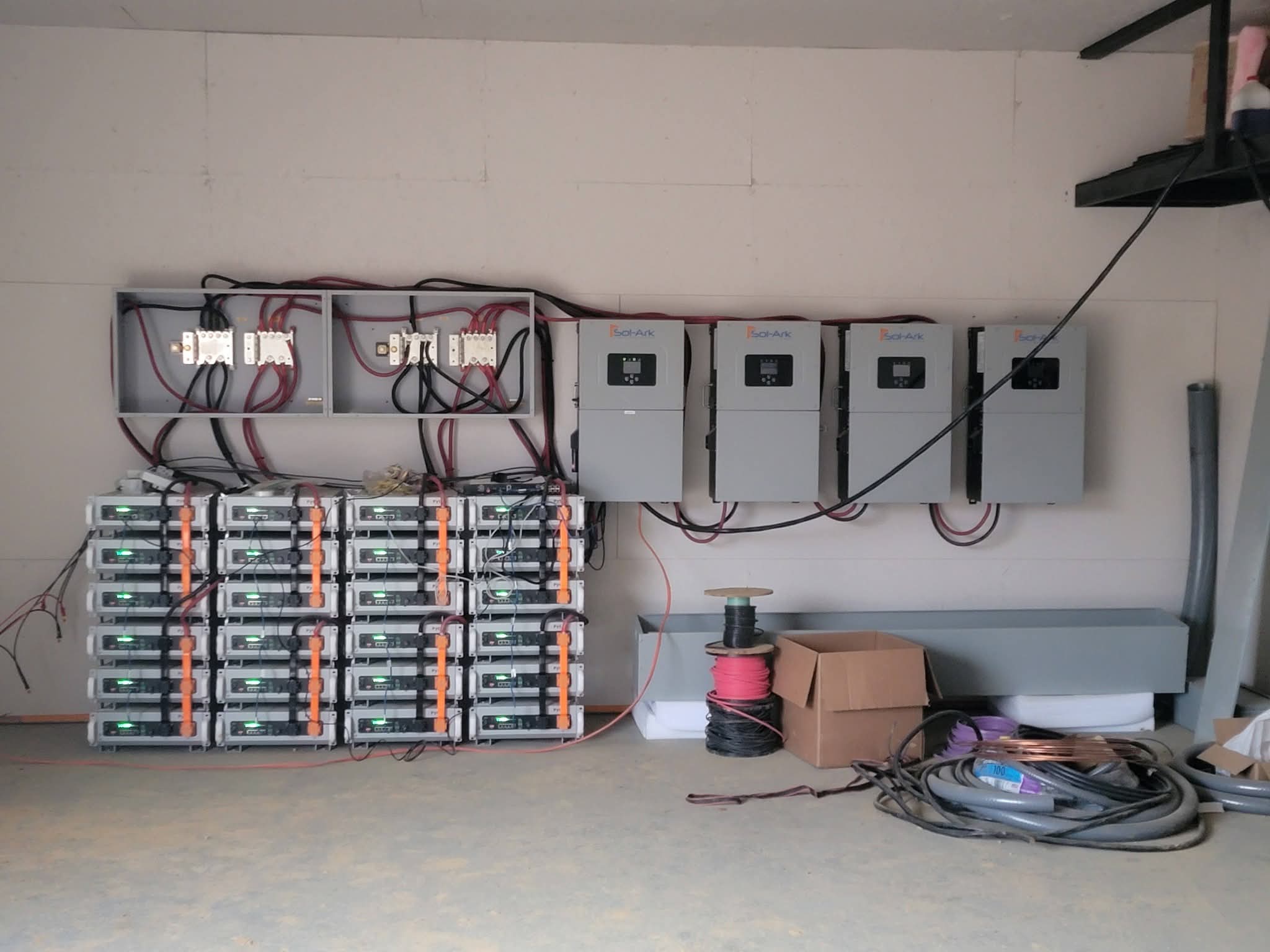
Pytes was selected not just for capacity, but for system integrity and long-term reliability.
Key reasons the installer chose Pytes:
i)Proven durability in real-world off-grid installations
ii)10-year warranty aligned with long-life system planning
iiii)Installer-friendly design that simplifies installation and expansion
iiii)Closed-loop BMS communication with Sol-Ark, which the installer considers non-negotiable for turnkey systems
The installer has since standardized on Pytes batteries for fully integrated systems and avoids open-loop configurations entirely.
Field experience reinforced this decision:
i) Zero battery failures or warranty claims to date
ii)Exceptionally strong battery mounting brackets, even in high-density stacking
iiii)Responsive customer support, including fast shipment of replacement busbar covers for a DIY system — an issue not caused by Pytes
This level of reliability and service is something the installer confidently recommends to prospective clients.
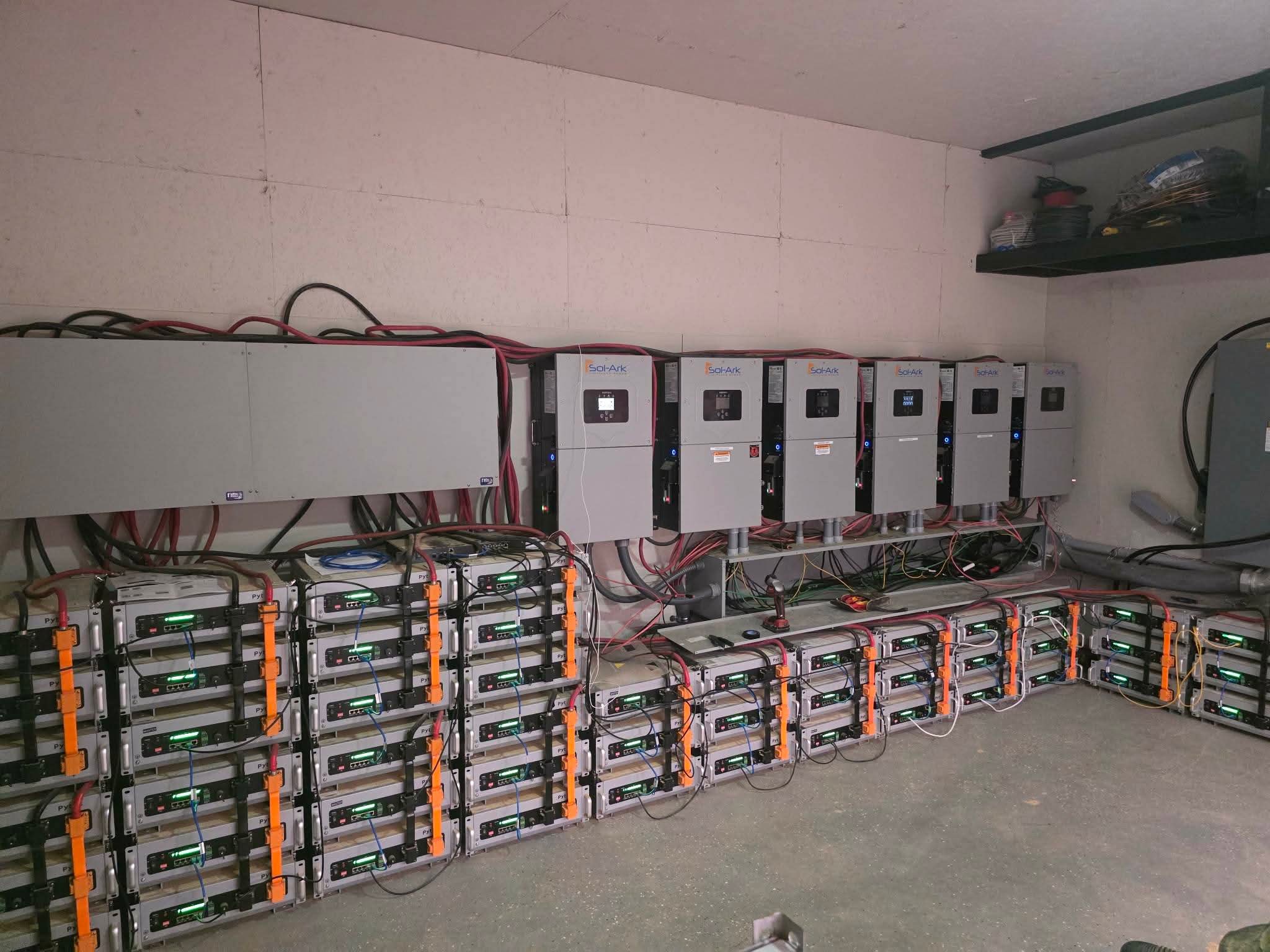
Today, the system supports:
i) An RV residence
ii)One completed home
iii)Partial loads for a second home
iiii)A growing solar and battery infrastructure
The homeowner has remained fully independent from the utility grid, avoiding grid fees, unfavorable net-metering policies, and long-term infrastructure costs.
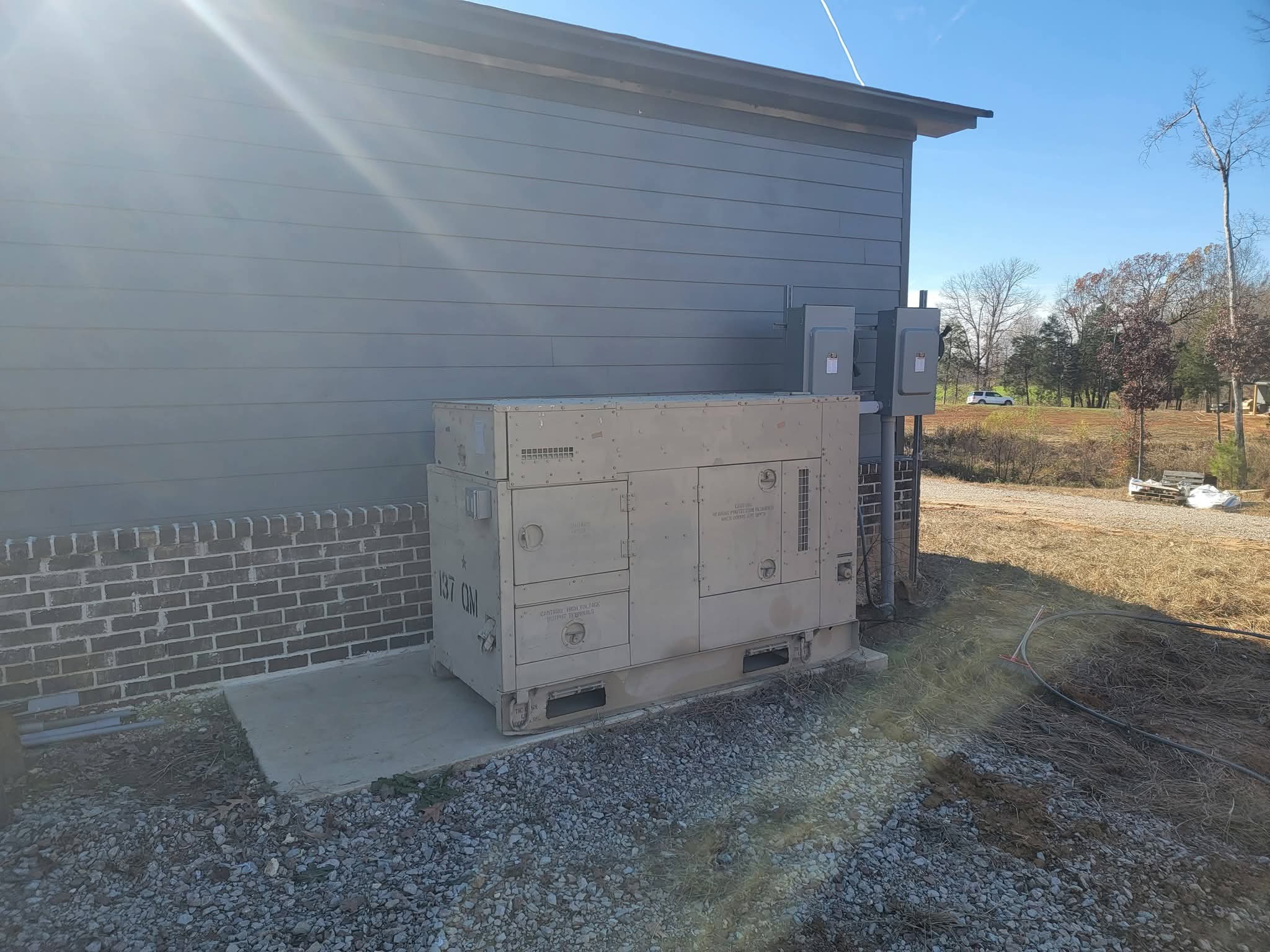
Backup generation has also evolved alongside the system — upgrading from a small gasoline generator to a 30kW military-grade diesel generator, with plans for a 60kW unit as the microgrid grows.

As construction begins on a third home, the system is expected to continue expanding in 2026.
Planned next steps include:
i) The homeowner will add additional Pytes batteries as capacity requirements grow
ii)The installer will deploy Pytes V16 Batteries in future projects integrating with Sol-Ark 18K inverters for higher-capacity applications
Both the homeowner and installer view the current system as a foundation — not a final build — demonstrating how a Pytes-based microgrid can scale alongside real-world needs.
This project demonstrates how a well-designed off-grid system — built around scalability, closed-loop communication, and long-term reliability — can outperform traditional grid connection in both cost and performance. Pytes batteries have become a trusted foundation for these systems, delivering the durability, support, and peace of mind required for complex off-grid microgrids.